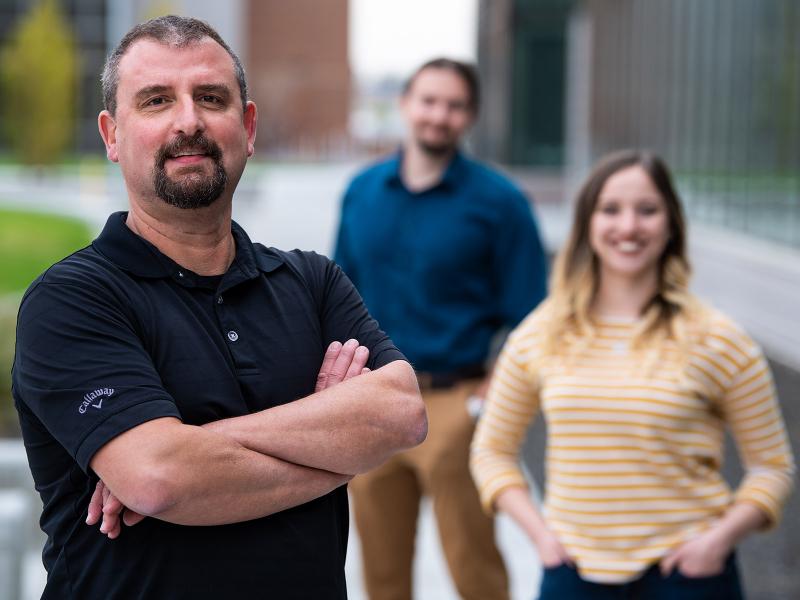
Arun Veeramany furthers the field of risk, reliability, and resilience in civil and mechanical engineering in his new role as an American Society of Civil Engineers-American Society of Mechanical Engineers journal editorial board member.
Sue Southard's one thousand dives as a PNNL staff member leave a ripple effect on efforts to keep our ocean healthy, our economy thriving, and our waters safe.
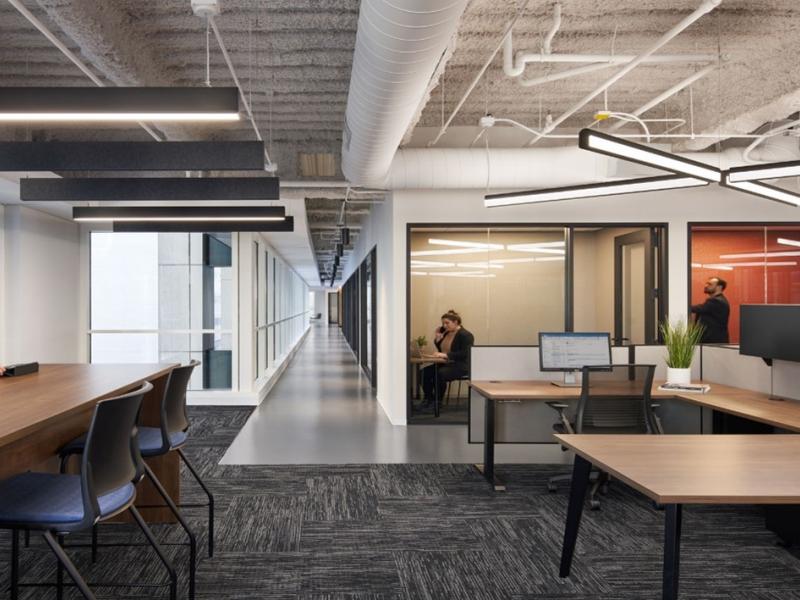
Lighting control data are critical for optimizing the design and operation of future lighting systems for the benefit of occupants and energy efficiency.
Four research staff from PNNL are part of an international team that earned top honors for a journal paper focused on a new algorithm-evaluation approach for buildings.
PNNL will provide technical resources and support to a national coalition of states and cities focused on implementing building performance standards to improve energy efficiency and reduce carbon emissions.
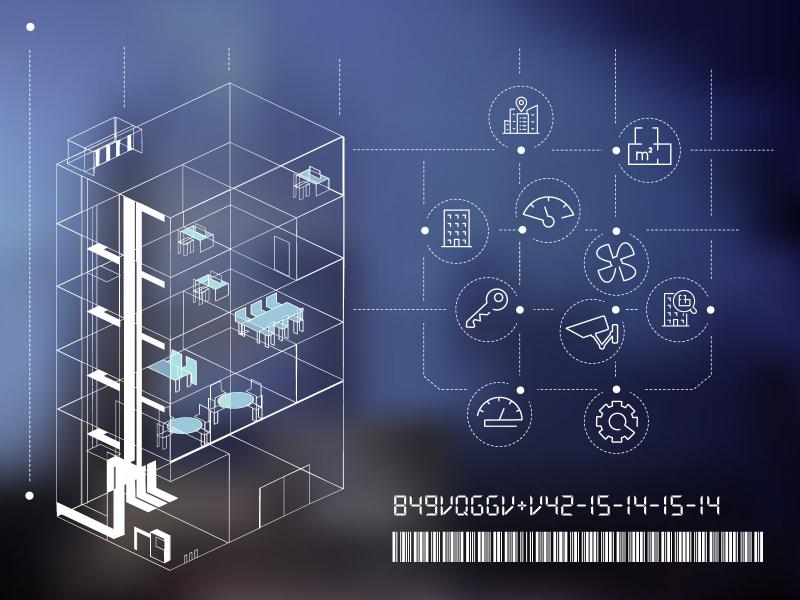
PNNL researchers develop software that uses geographical data to build a free, open-source grid reference system to provide a precise system to locate structures.
Human-machine teaming may sound like something from the distant future. In “Human-Machine Teaming: A Vision of Future Law Enforcement” in Domestic Preparedness, Corey Fallon, Kris Cook, and Grant Tietje of PNNL examine this topic.
PNNL is highlighting scientific and technical experts in the national security domain who were recently promoted to scientist and engineer level 5, one of PNNL’s most senior research roles.
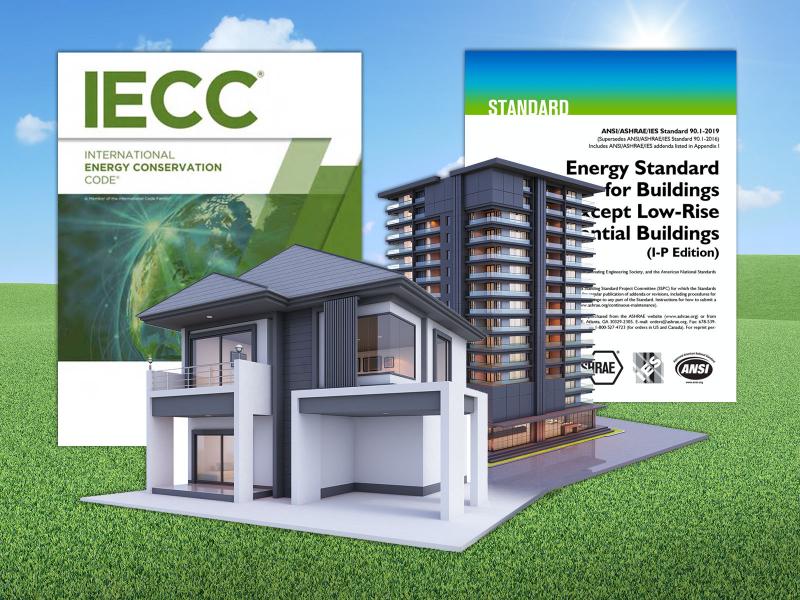
New building energy codes could reduce utility bills by $138 billion and prevent 900 million metric tons of CO2 emissions coming from buildings. Now, they will be easier to adopt.
PNNL has received 119 R&D 100 Awards since 1969, when the laboratory began submitting entries in the contest that recognizes top 100 inventions each year.
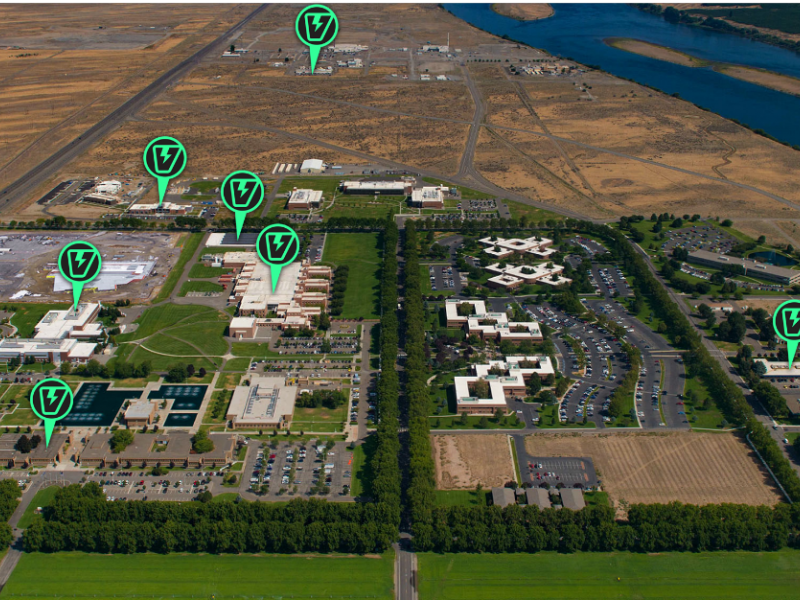
PNNL will play a key role in advancing Connected Communities made up of efficient homes and buildings that communicate with the grid to produce energy and environmental benefits.
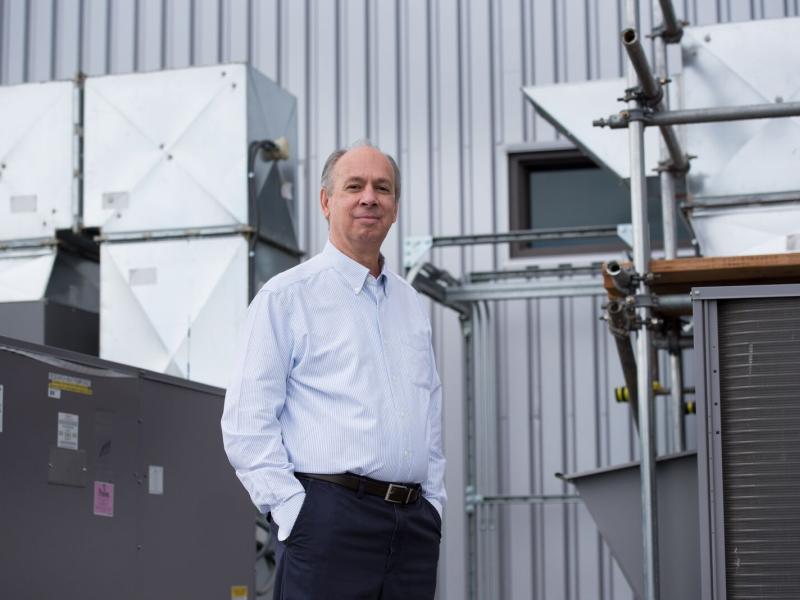
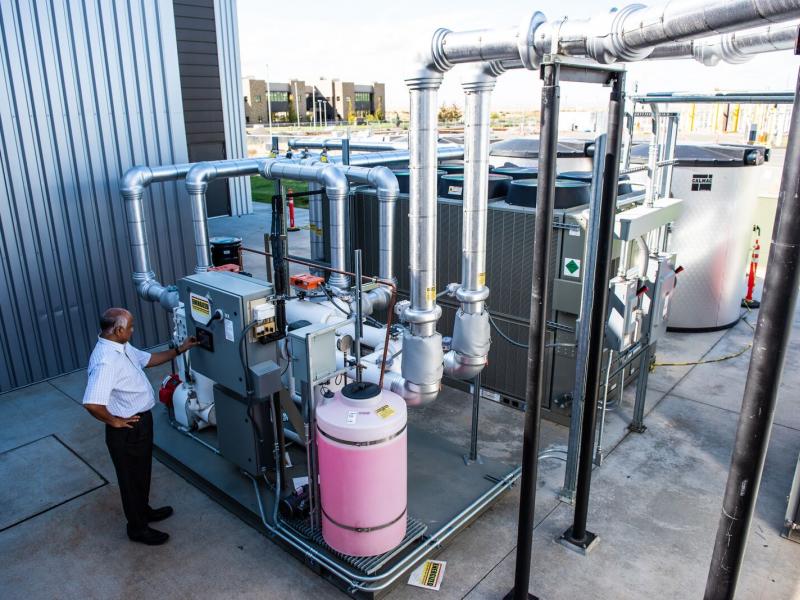
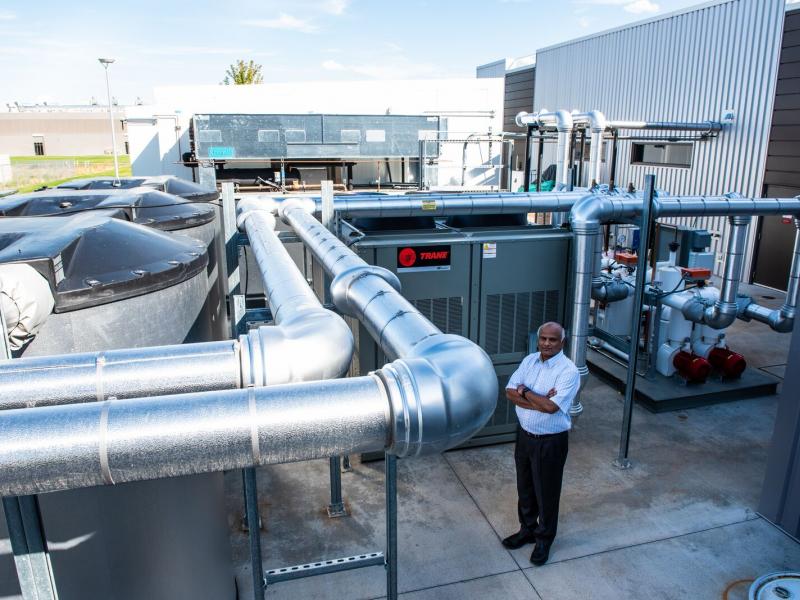
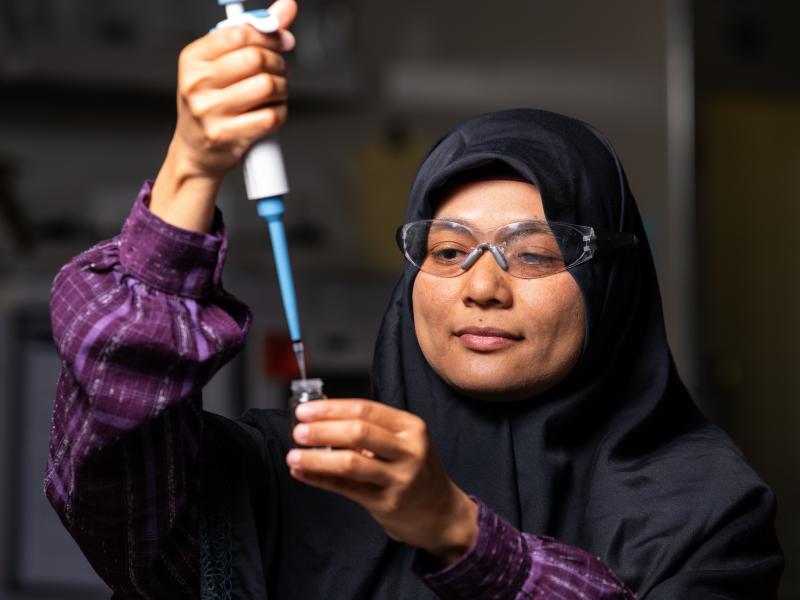
Researchers developed two solutions for air-conditioning—a novel, energy-efficient dehumidification system and a technology to detect refrigerant leaks. Both help increase energy-efficiency and reduce costs.
A new research partnership between PNNL and the University of Nevada, Reno aims to tackle critical challenges such as climate change, infrastructure resilience and cybersecurity.