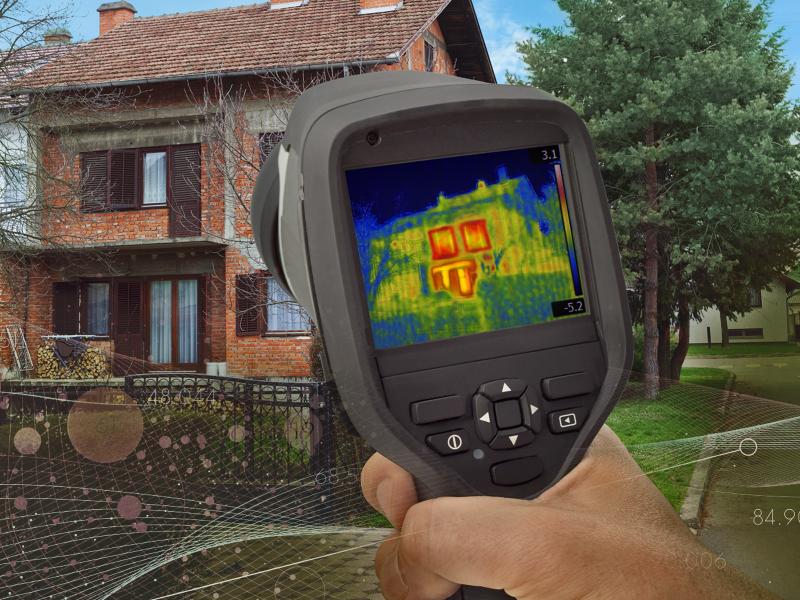
Staff at PNNL recently completed a report highlighting commercial products enabled through projects funded by the Department of Energy’s Building Technologies Office.
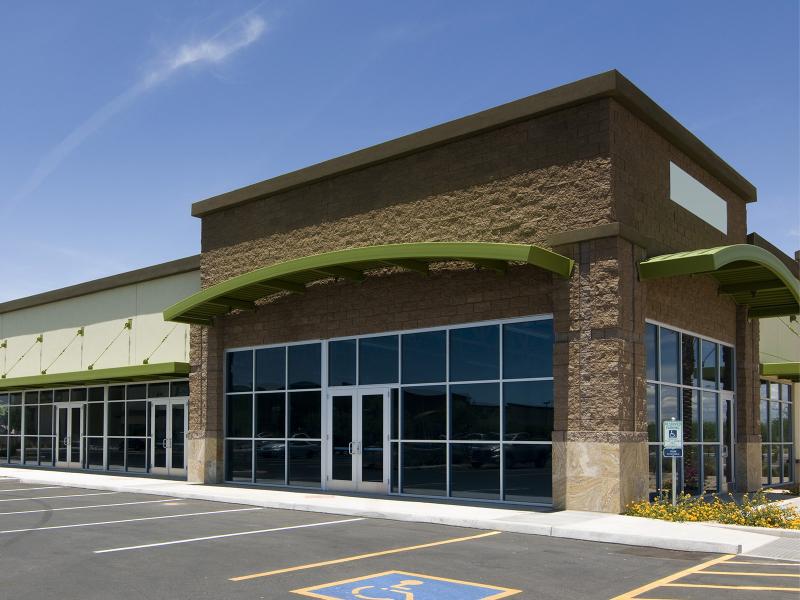
The Simple Building Calculator, developed at PNNL, meets a need for a quick, interactive, and economic method to evaluate energy use—and potential savings from efficiency measures—in simple commercial buildings.
The Department of Energy has issued updated energy conservation standards for manufactured homes. The effort to establish the standards, supported by PNNL, is expected to result in a range of benefits for the manufactured housing sector.
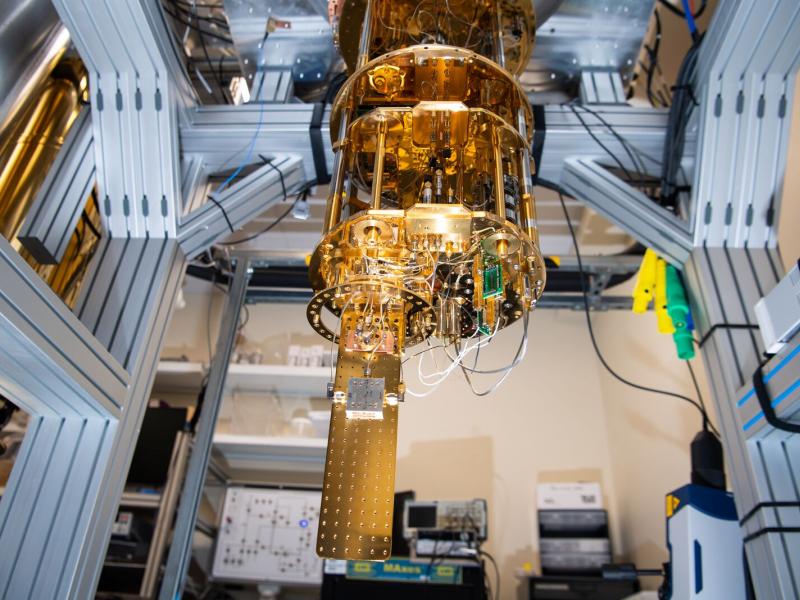
A new testbed facility capable of testing superconducting qubit fidelity in a controlled environment free of stray background radiation will benefit quantum information sciences and the development of quantum computing.
PNNL’s Reid Hart and Bing Liu have earned individual Champions of Energy Efficiency in Buildings awards from the American Council for an Energy-Efficient Economy.
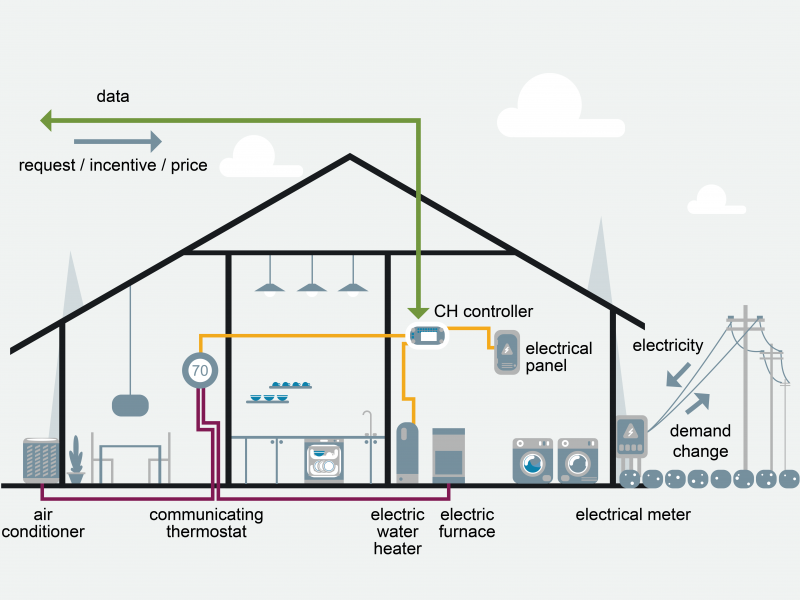
A new control system shows promise in making millions of homes contributors to improved power grid operations, reaping cost and environmental benefits.
Next generation triple-pane windows provide builders with lower cost options and help homeowners conserve energy, reduce noise, and lower home energy bills.
Sam Rosenberg, a data research scientist in the Energy and Environment Directorate at PNNL, has been appointed voting member of the Regional Technical Forum for the Northwest Power Conservation Council.
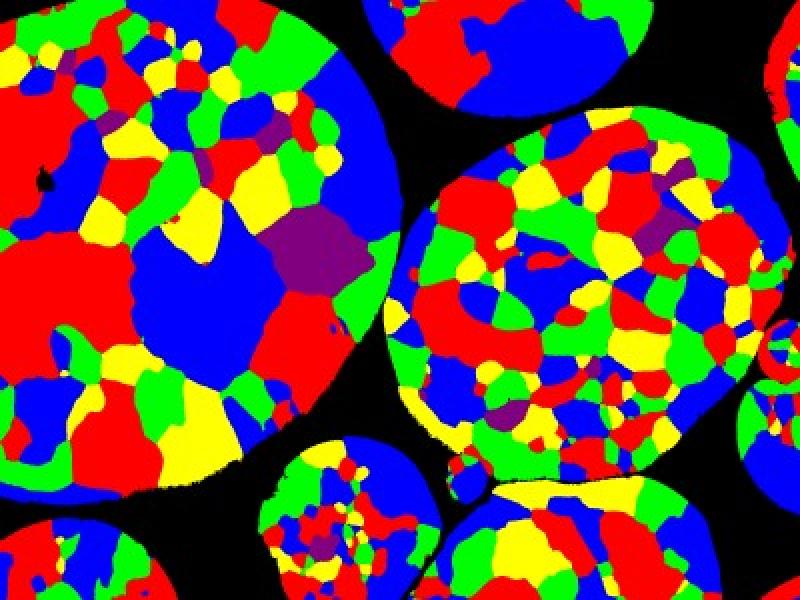
IDREAM researchers assess the potential of photon-in/photon-out XFEL techniques to explore early time reaction steps and ultimately improve nuclear waste processing strategies.
Steven Spurgeon, a materials scientist and microscopy researcher at PNNL, has accepted an affiliate associate professorship at the University of Washington Department of Physics.
The annual Secretary’s Honor Awards recognize federal and contractor employees who have shown exceptional creativity, drive, and commitment to projects that have lasting impact on the Department of Energy's mission.
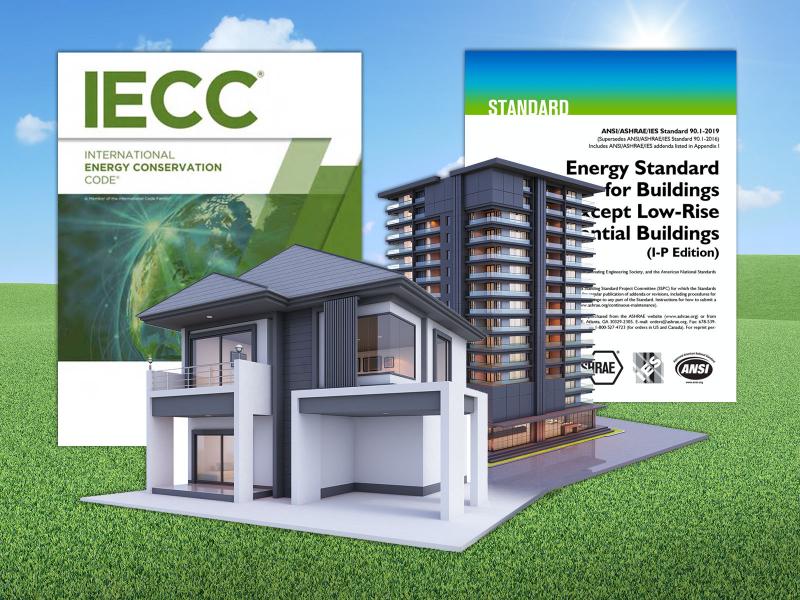
New building energy codes could reduce utility bills by $138 billion and prevent 900 million metric tons of CO2 emissions coming from buildings. Now, they will be easier to adopt.