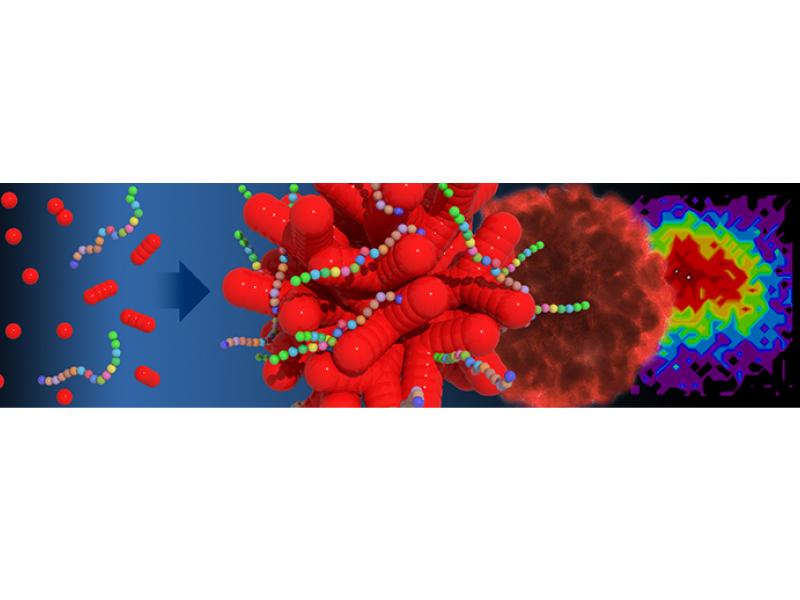
B3? E4? Remember the board game Battleship? One player suggests a set of coordinates to another, hoping to find the elusive location of an unseen vessel.That is a good place to start in assessing the search for dark matter.
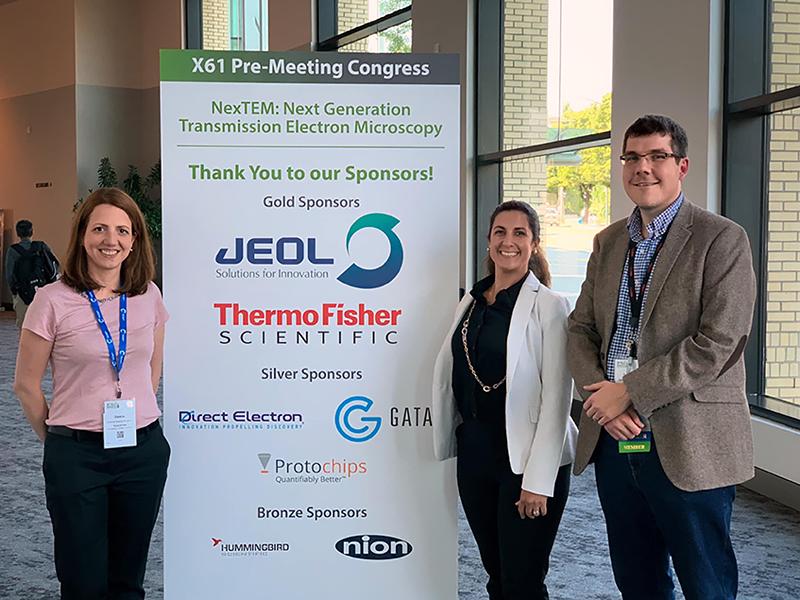
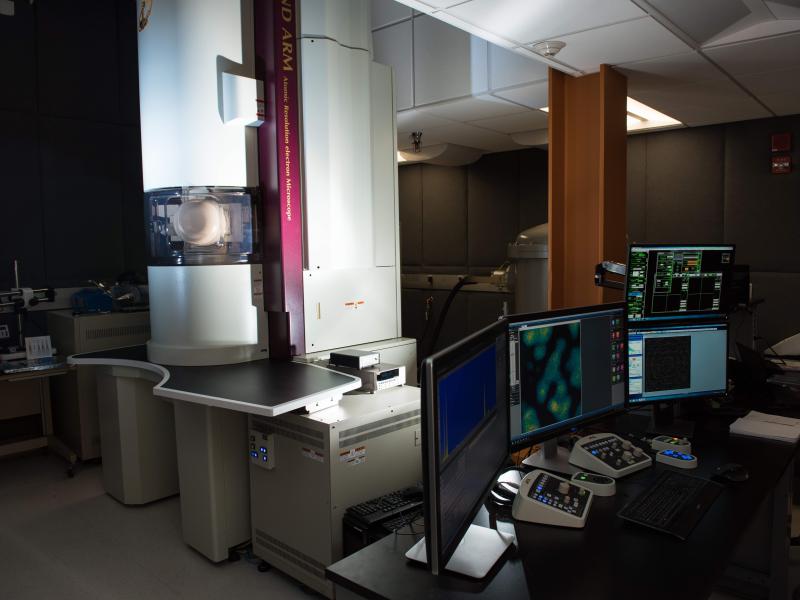
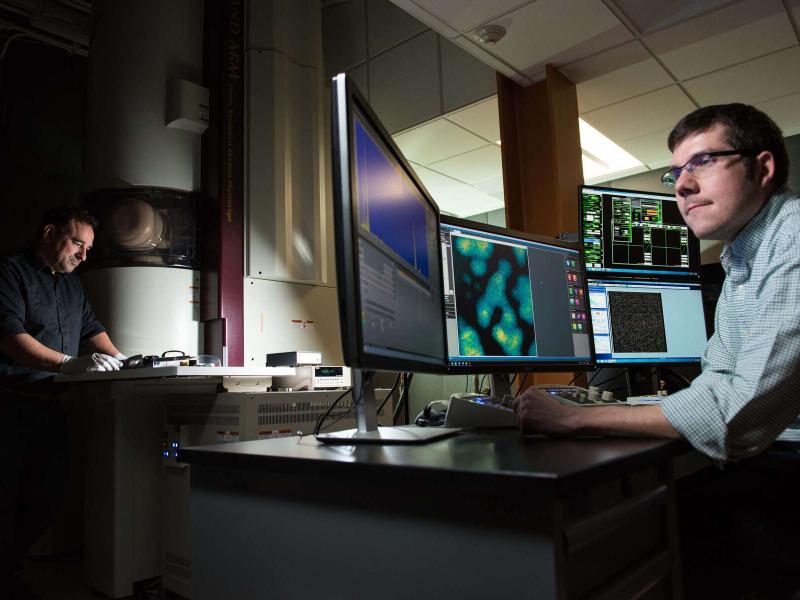
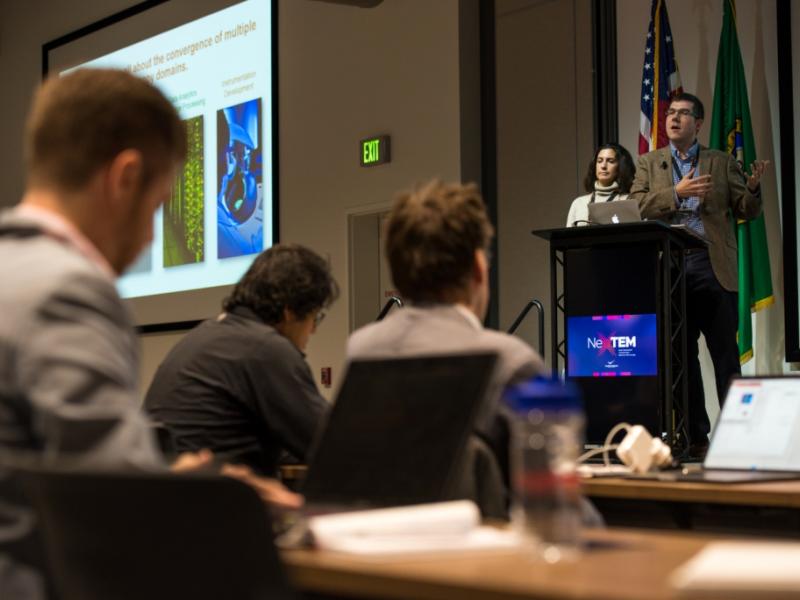
A gathering of international experts in Portland, Oregon, explored the future of electron microscopy and surfaced potential solutions in areas including new instrument designs, high-speed detectors, and data analytics capabilities.
Researchers at PNNL are applying deep learning techniques to learn more about neutrinos, part of a worldwide network of researchers trying to understand one of the universe’s most elusive particles.
Frannie Smith, a chemist specializing in nuclear waste management and disposal, was recognized as a "Notable Woman in STEM" for 2019 by the nonprofit Washington STEM program.
Josef "Pepa" Matyas, a materials scientist in PNNL’s Nuclear Sciences Division, has been elected a fellow of the American Ceramic Society (ACerS). He will be recognized at the ACerS annual meeting on September 30, 2019, in Portland, Ore.
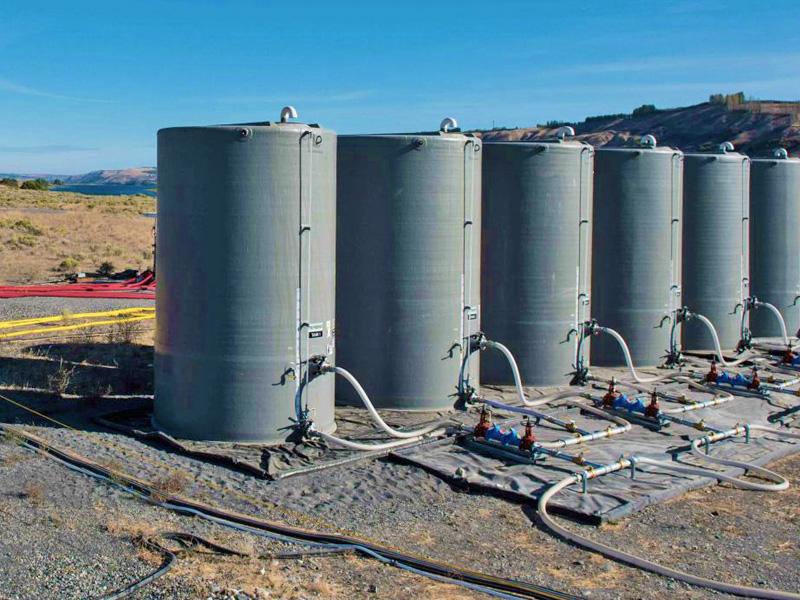
"It's sort of like using infrared goggles to see heat signatures in the dark, except this is underground." PNNL and CHPRC implemented a state-of-the-art approach to monitor the process of remediating residual uranium at Hanford's 300 Area.
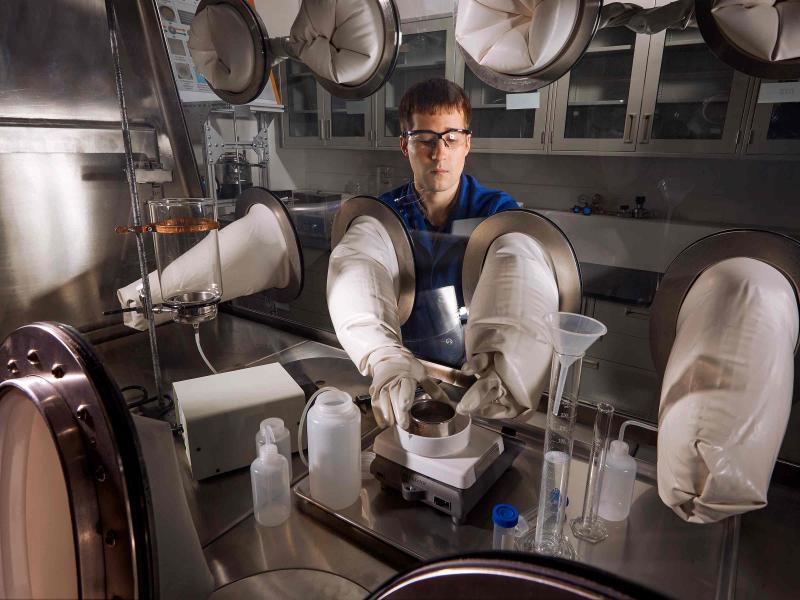
Researchers used novel methods to safely create and analyze plutonium samples. The approaches could prove influential in future studies of the radioactive material, benefitting research in legacy, national security and nuclear fuels.
An International Atomic Energy Agency effort, chaired by PNNL's Mike Truex, will help inform the process for achieving successful end states at contaminated sites worldwide.
Peering through the thick, green glass of a decades-old "hot cell," an expert technician manipulates robotic arms to study highly radioactive waste from Hanford, in support of ongoing cleanup.
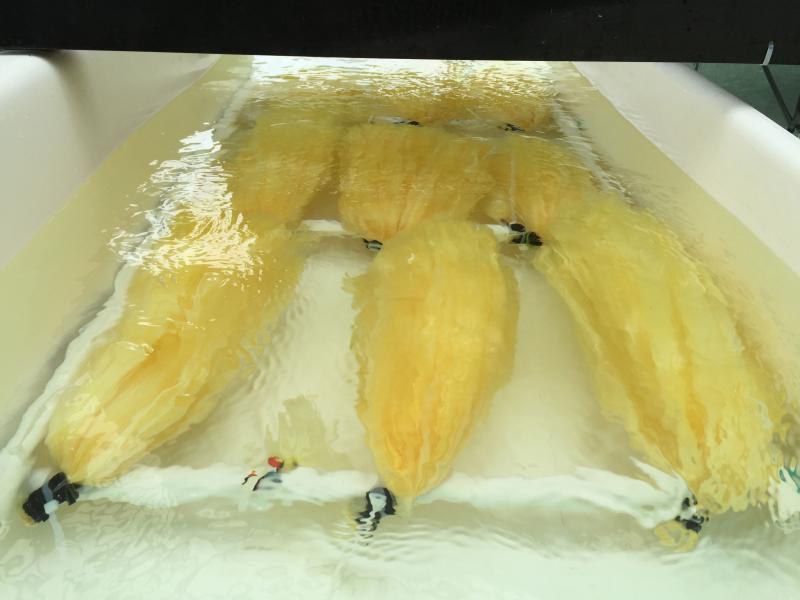
For the first time, researchers have created a gram of yellowcake — a powdered form of uranium used to produce fuel for nuclear power production — using modified acrylic fibers to extract it from seawater.
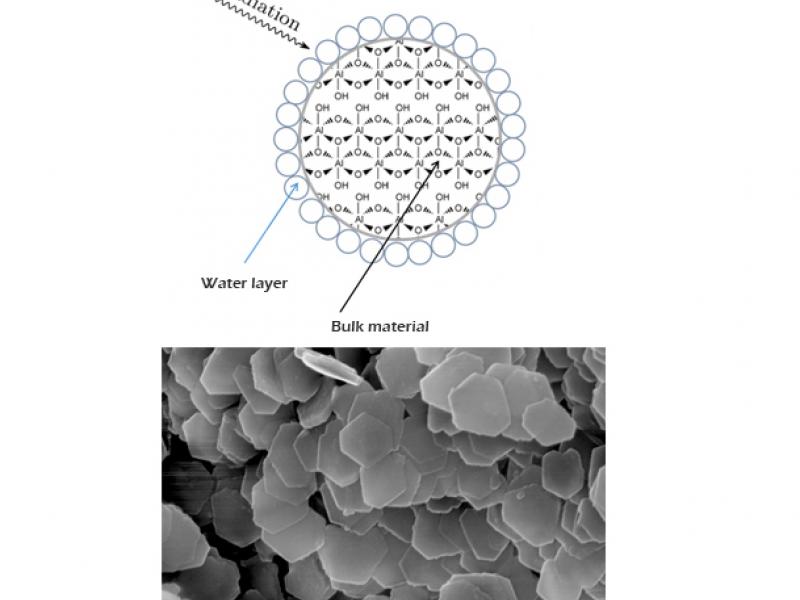
Vitrifying nuclear waste for storage is complicated by aluminum and understanding this behavior is vital. Research suggests that upon radiolysis, the properties of humid aluminum particles do not change substantially but hydrogen is formed.