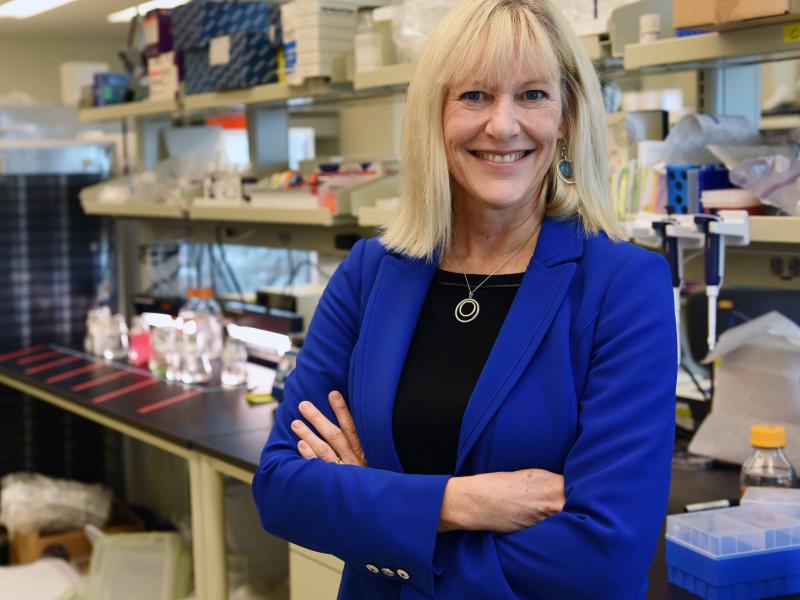
Nora Wang, an energy efficiency researcher at PNNL, is one of 82 early-career engineers from across the country invited to participate in the annual NAE Frontiers of Engineering symposium.
The U.S. could slash its energy use by the equivalent of what is currently used by 12 to 15 million Americans if commercial buildings fully used energy-efficiency controls nationwide.
Power plants could capture their carbon emissions while using half the energy of traditional carbon capture methods with water-lean carbon capture solvents.
Scientists are taking their cues from fungi in the digestive tracts of cows, goats and sheep in the search for new ways to create sustainable fuels and medicines.
Working with researchers with Tokyo Tech's World Research Hub Initiative in Japan and Canada, Xantheas will combine laboratory methods with computational explorations to study the biological functions of serotonin and nicotine.
Organic matter found in vast quantities in oxygen-starved floodplains would yield only minimal energy for hungry microorganisms, which spurn the meal, researchers show in a study in Nature Geoscience.
PNNL scientists have developed a system to convert methane into an energy-rich substance that can be used as the basis for biofuels and even feed for cows that create the gas in the first place.