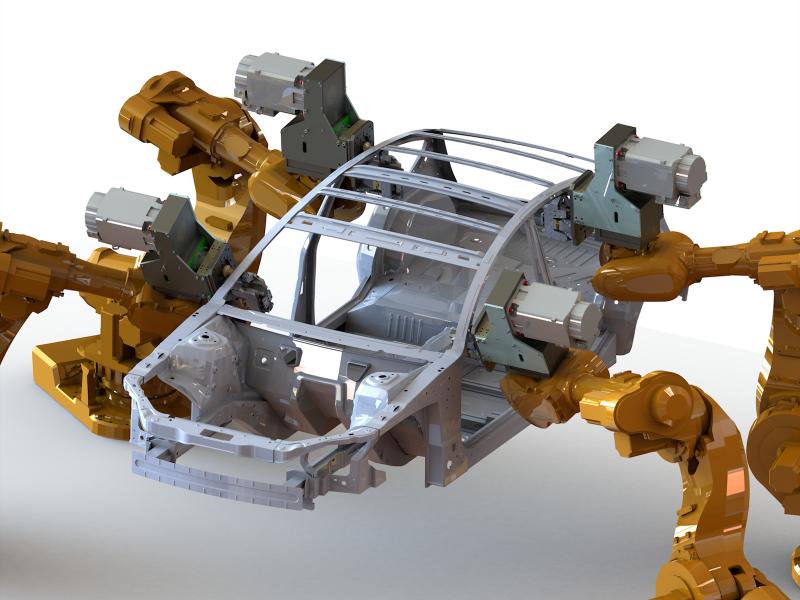
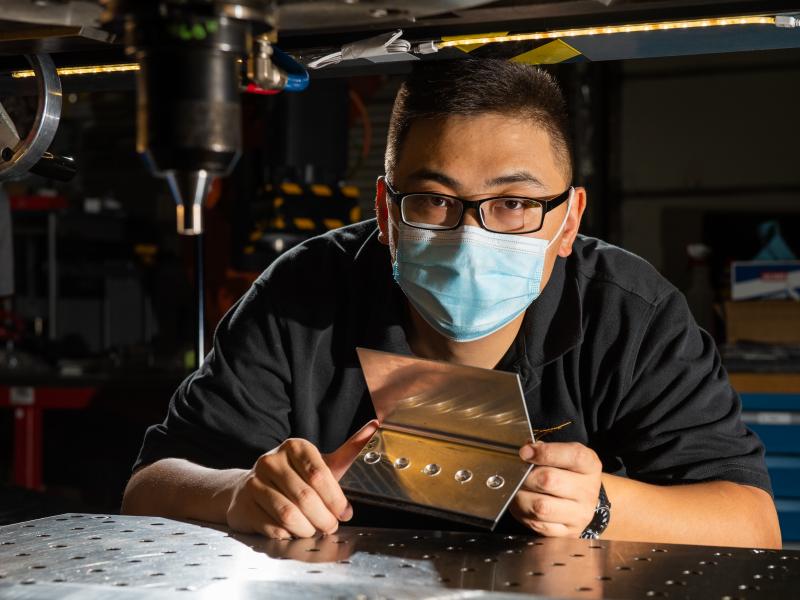
A breakthrough at PNNL could free friction stir from current constraints—and open the door for increased use of the advanced manufacturing technique on commercial assembly lines.
PNNL researchers have found yet another way to turn trash into treasure: using algal biochar, a waste production from hydrothermal liquefaction, as a supplementary material for cement.
By combining computational modeling with experimental research, scientists identified a promising composition that reduces the need for a critical material in an alloy that can withstand extreme environments.
PNNL researchers have developed a new, physics-informed machine learning model that accurately predicts how heat accumulates and dissipates during friction stir processing.
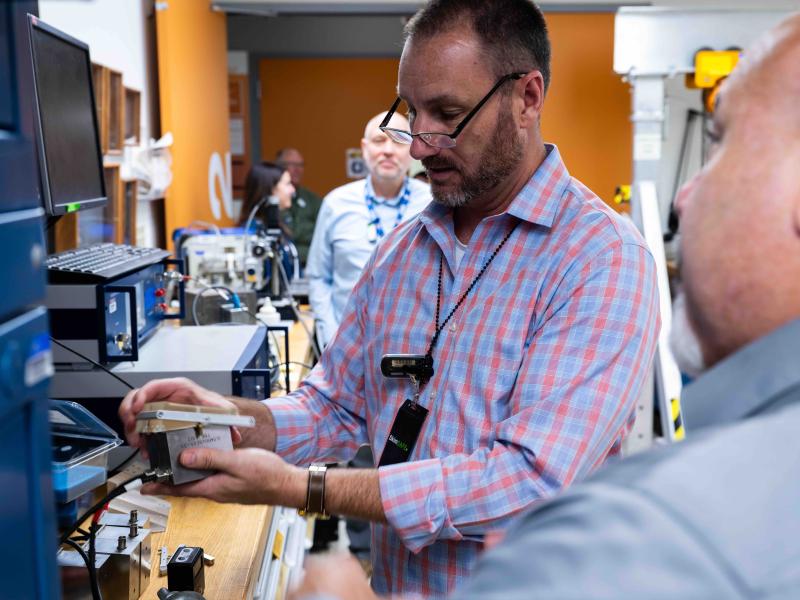
Bradley Crowell with the U.S. Nuclear Regulatory Commission sees advanced materials integrity, radiological measurement, and environmental capabilities on his first visit to PNNL.
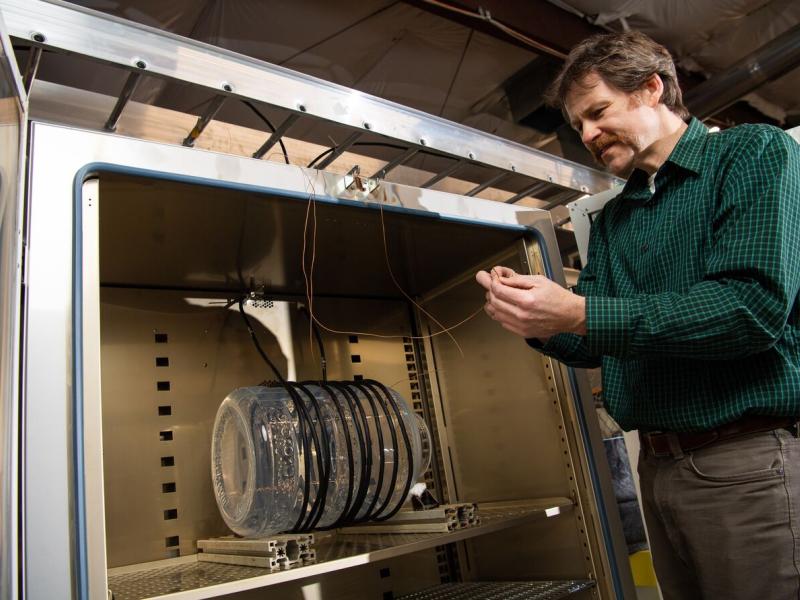
PNNL’s ARENA test bed analyzes how electrical cables degrade in extreme environments and how nondestructive examination inspection technologies can detect and locate damage.
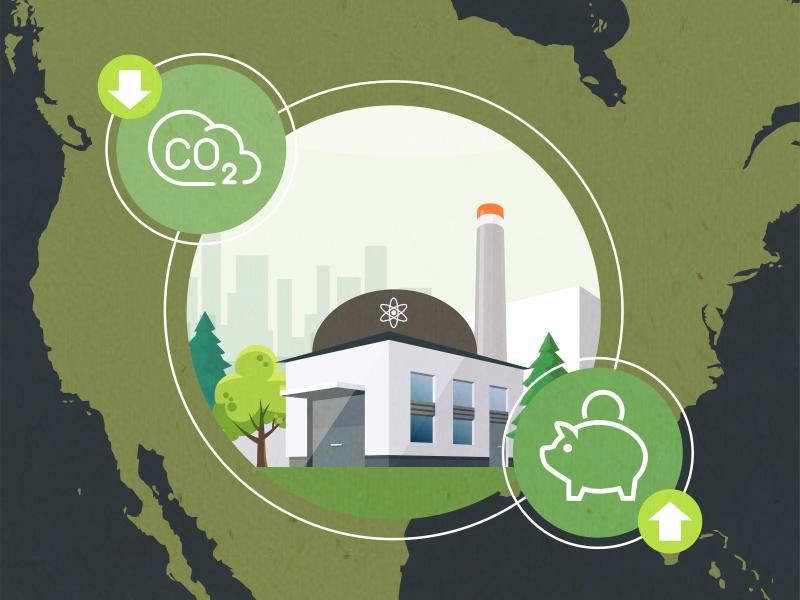
As the world races to discover solutions for reaching net zero carbon emissions, a PNNL analysis quantifies the economic value of the existing nuclear power fleet and its carbon-free energy contributions.
PNNL gathered researchers from eight national laboratories plus the U.S. Department of Energy (DOE) to share ideas and build synergy at the Energy Equity and Environmental Justice Summit.
Eight PNNL research papers were recognized by the 2022 Waste Management Symposia as “Papers of Note” and “Superior.” One paper received a Best Oral Paper/Presentation Award.
To support federal energy agencies in meeting renewed environmental policies, PNNL is identifying the mechanisms and practices that could enhance agencies’ existing environmental justice programs, policies, and activities.
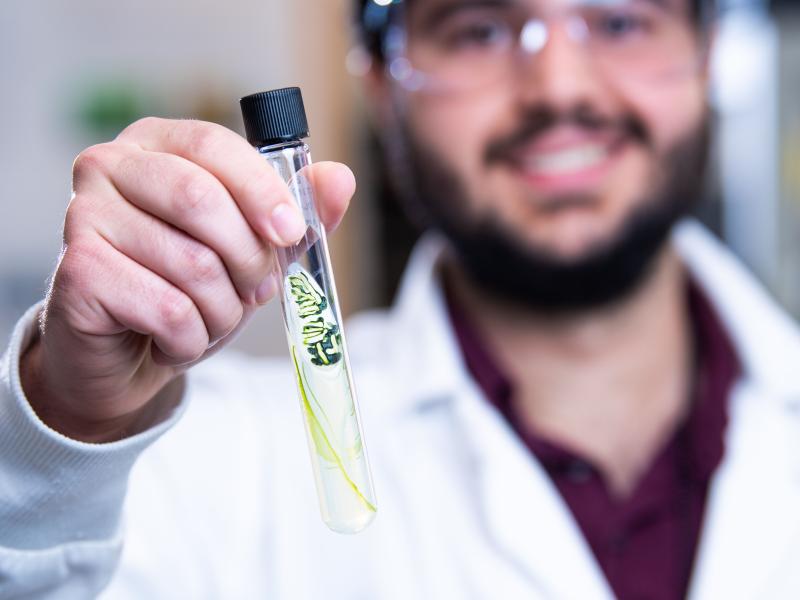
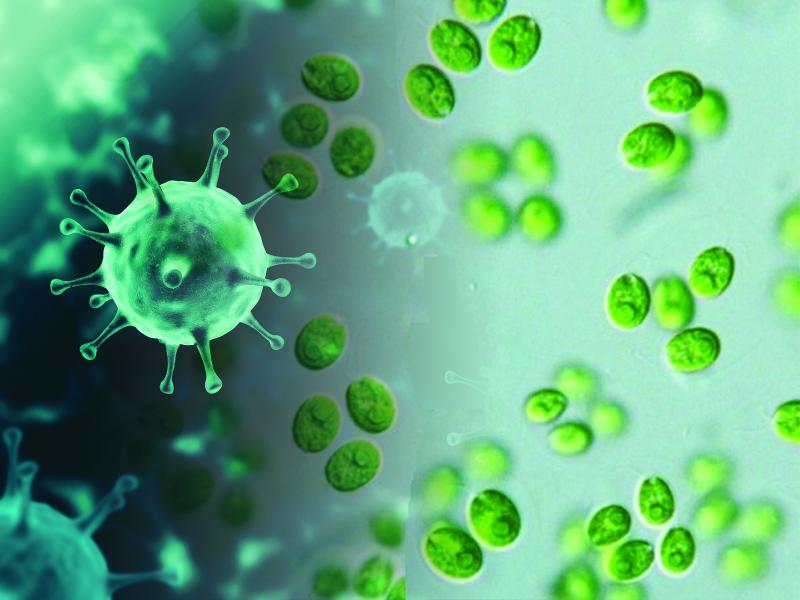
A comprehensive literature review linking algae and antivirals determines compounds in algae may demonstrate an exceptional—and as yet untapped—potential to combat viral diseases at every point along the viral infection pathway.
Rotational Hammer Riveting, developed by PNNL, joins dissimilar materials quickly without preheating rivets. The friction-based riveting enables use of lightweight magnesium rivets and also works on aluminum and speeds manufacturing.