The microbial communities within the loose, friable aggregations of organic and mineral components in soil are highly organized spatially, shaped in part by the structure of the soil itself.
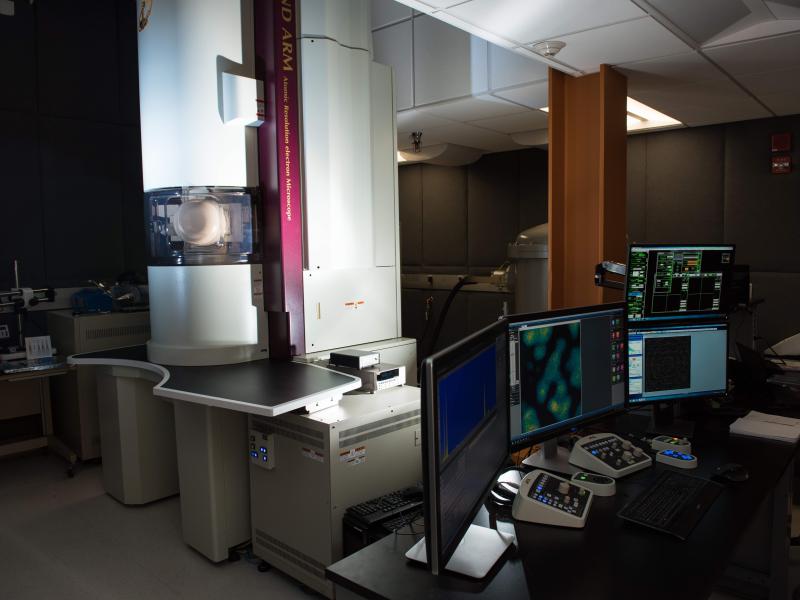
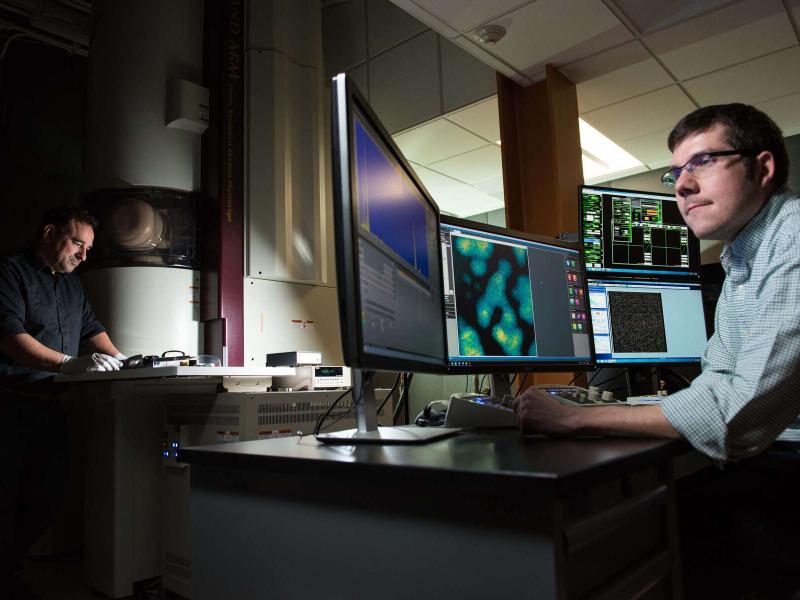
A multi-institute team develops an imaging method that reveals how uranium dioxide (UO2) reacts with air. This could improve nuclear fuel development and opens a new domain for imaging the group of radioactive elements known as actinides.
The ANS award will be presented at the Global Top Fuel 2019 Conference this September in Seattle, and comes amid several recent recognitions for Paviet.
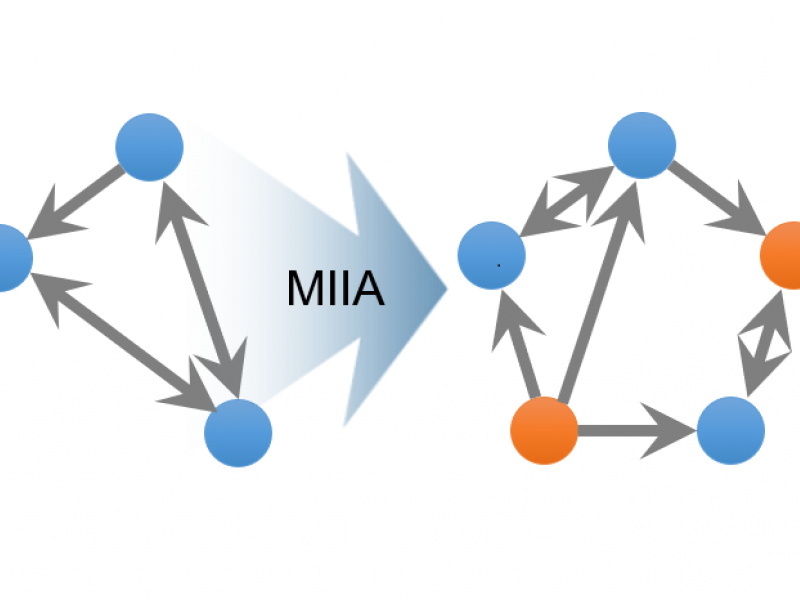
Soil microbial communities are made of networks of interacting species that dynamically reorganize in a changing environment. Understanding how such microbiomes are organized in nature is important for designing or controlling them in the f
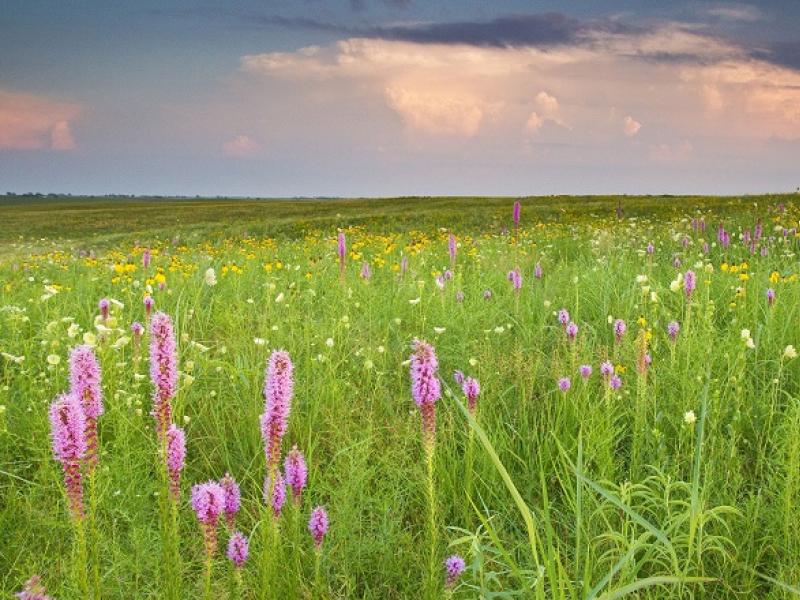
Soil microbiomes are among the most diverse microbial communities on Earth. They also play an immense role in cycling soil carbon, nitrogen, and other nutrients that underpin the terrestrial food web.
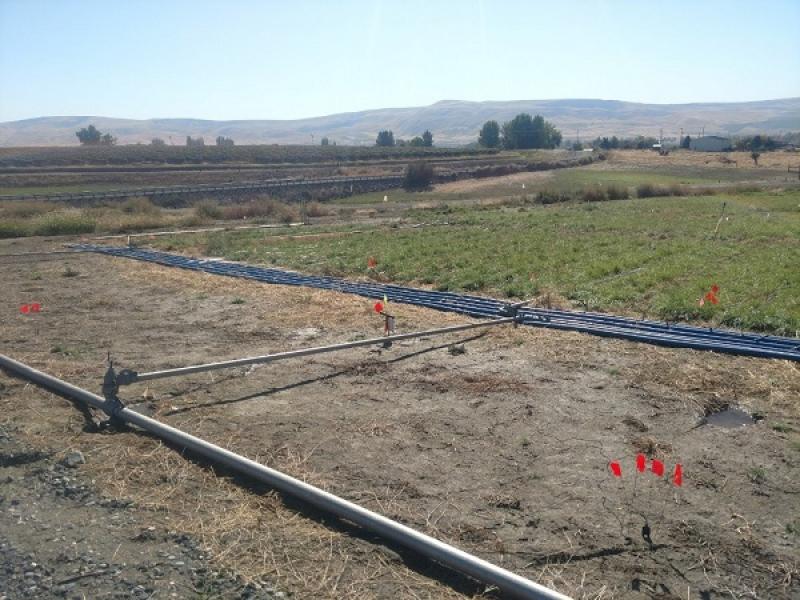
Researchers at the U.S. Department of Energy’s Pacific Northwest National Laboratory and Kansas State University found that soil drying significantly affected the structure and function of soil microbial communities.
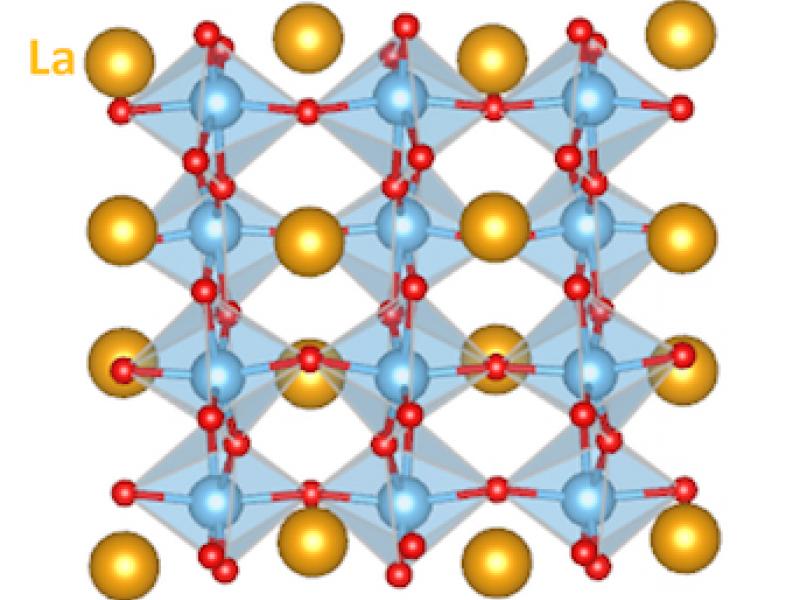
Researchers apply numerical simulations to understand more about a sturdy material and how its basic structure responds to and resists radiation. The outcomes could help guide development of the resilient materials of the future.
PNNL’s Janet Jansson is part of an international team of scientists warning scientists of the urgency to pay more attention to the role of microorganisms in our climate.
PNNL researchers today published a pair of papers, in Cell and in Nature, exploring the effects of the gut microbiome on our health, including autism, brain function, and inflammatory bowel disease.
The U.S. Nuclear Regulatory Commission, U.S. Army Corps of Engineers, and PNNL partnered to complete—in record time—an environmental impact statement for the nation’s first small modular nuclear reactor, to be sited at Clinch River, Tenn.
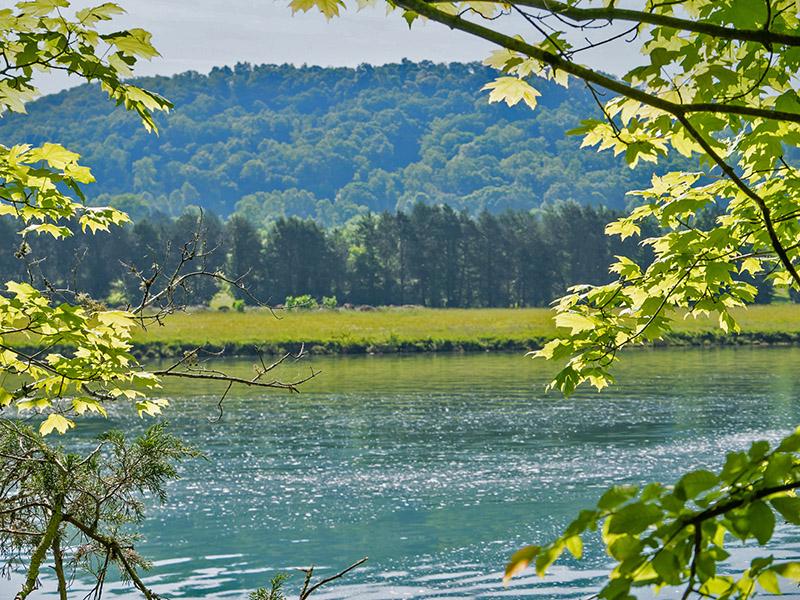
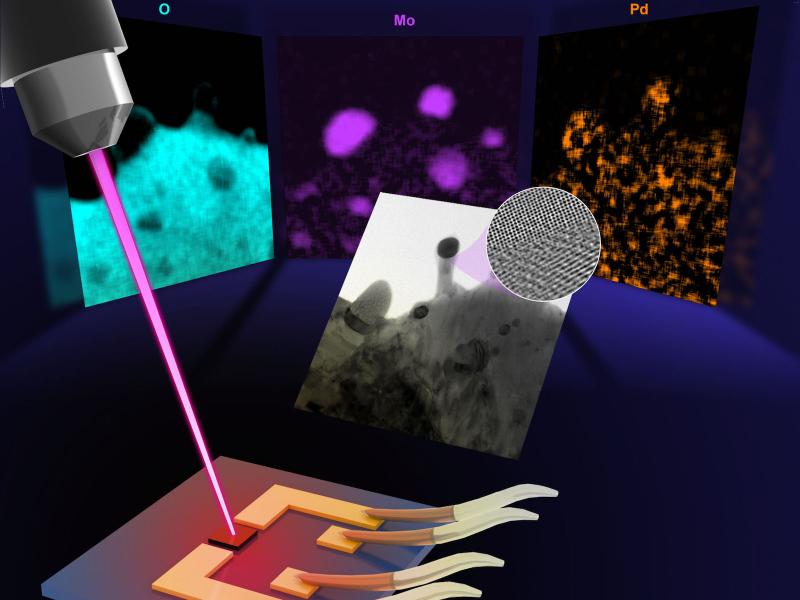
It’s hot in there! PNNL researchers take a close, but nonradioactive, look at metal particle formation in a nuclear fuel surrogate material. What they found will help fill knowledge gaps and could lead to better nuclear fuel designs.
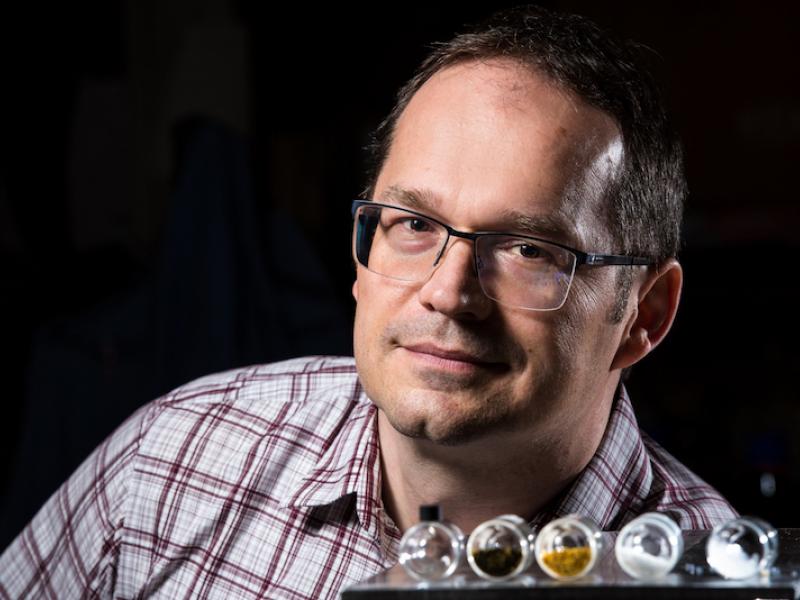
Josef "Pepa" Matyas, a materials scientist in PNNL’s Nuclear Sciences Division, has been elected a fellow of the American Ceramic Society (ACerS). He will be recognized at the ACerS annual meeting on September 30, 2019, in Portland, Ore.
Researchers used novel methods to safely create and analyze plutonium samples. The approaches could prove influential in future studies of the radioactive material, benefitting research in legacy, national security and nuclear fuels.