Researchers at PNNL are sharing work grounded in One Health, which connects human, animal, plant, and environmental data to improve situational awareness, early warning, and decision-making.
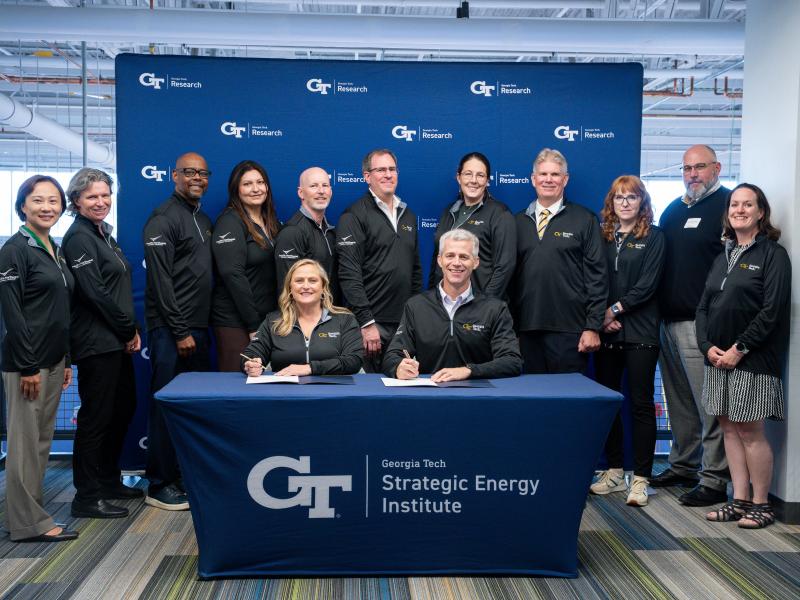
A new memorandum of understanding creates a framework for expanded research, talent development, and technology transfer between Georgia Tech and PNNL.
A new report highlights a public workshop hosted by the National Academies Forum on Microbial Threats and features PNNL's Lauren Charles and the AI-Driven One Health Security program.
Researchers at PNNL have developed an interpretable, lightweight AI model that can easily predict weld microstructure features using only basic machine sensor inputs.
PNNL researchers have developed a new, physics-informed machine learning model that accurately predicts how heat accumulates and dissipates during friction stir processing.
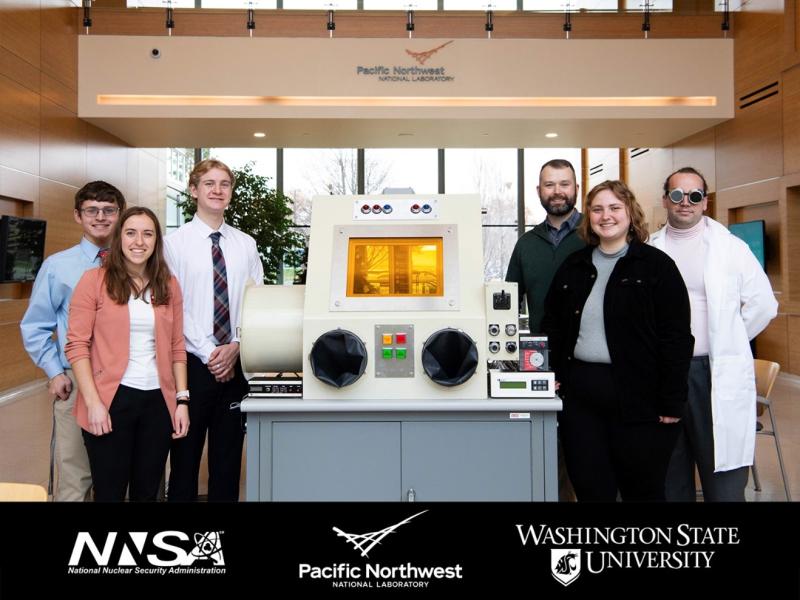
Capstone engineering projects deliver equipment to improve accuracy of chemistry lab elutions and enhance training to safeguard critical infrastructure.
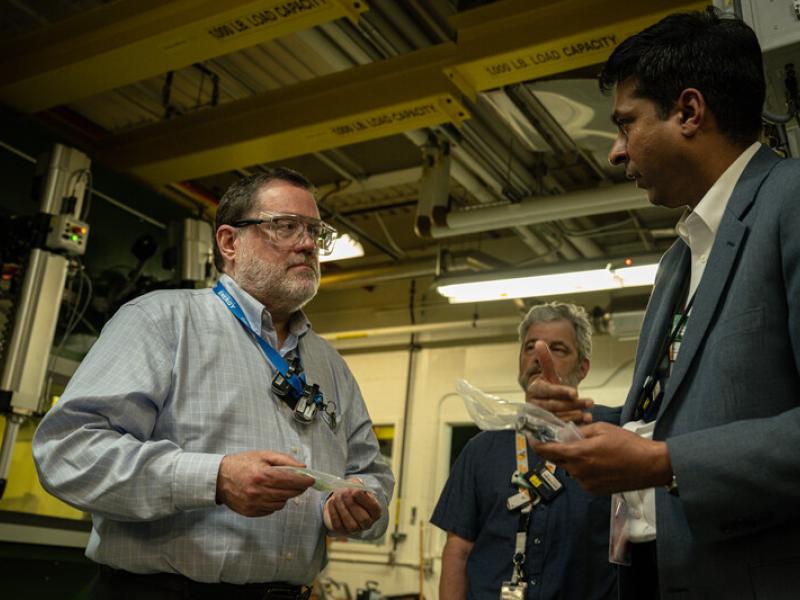
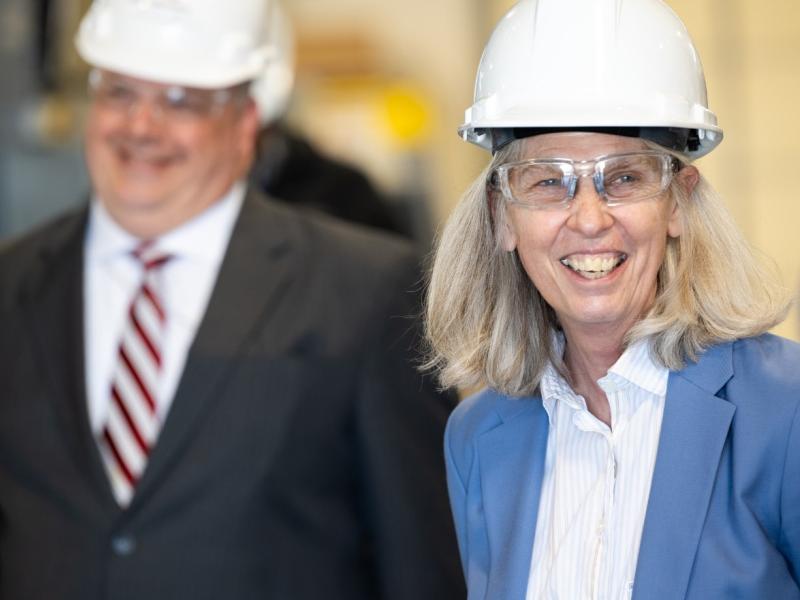
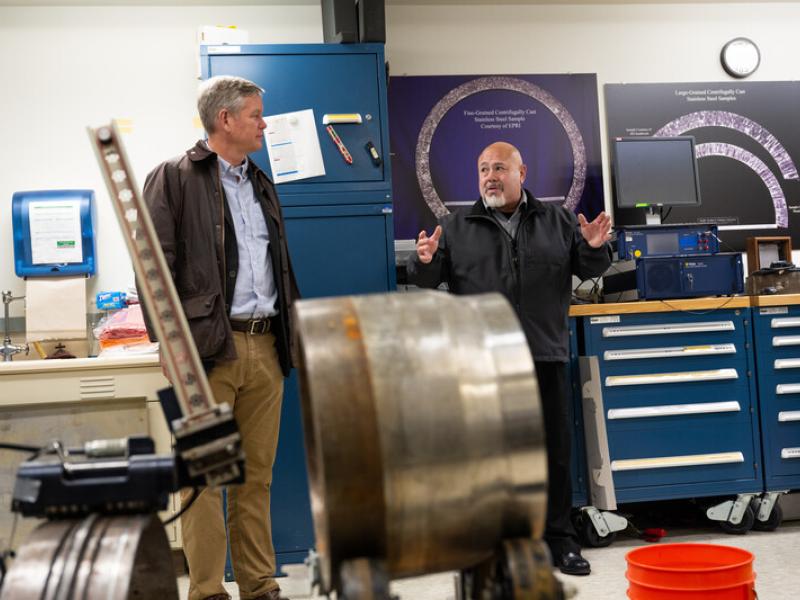
The Department of Energy Office of Nuclear Energy acting assistant secretary makes his first visit to a national laboratory in his new role, touring PNNL's Radiochemical Processing Laboratory.
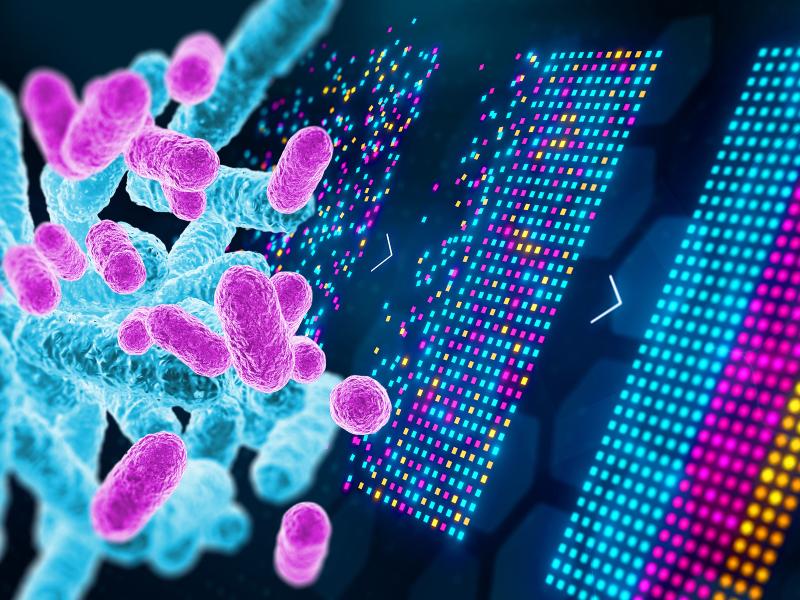
Research at PNNL and the University of Texas at El Paso are addressing computational challenges of thinking beyond the list and developing bioagent-agnostic signatures to assess threats.
How do you make an operational technology assurance course more relevant to attendees? Washington State University students brought a fresh perspective by designing and fabricating a realistic mock training system—a vintage-style glove box.
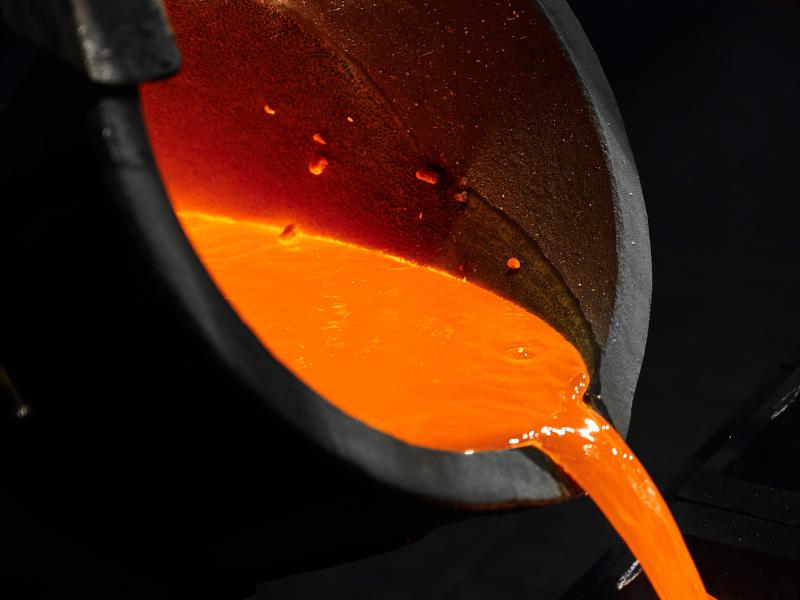
A team of scientists at PNNL developed new computational models to predict the behavior of these impurities and reduce the expense and risk related to actinide metal production.
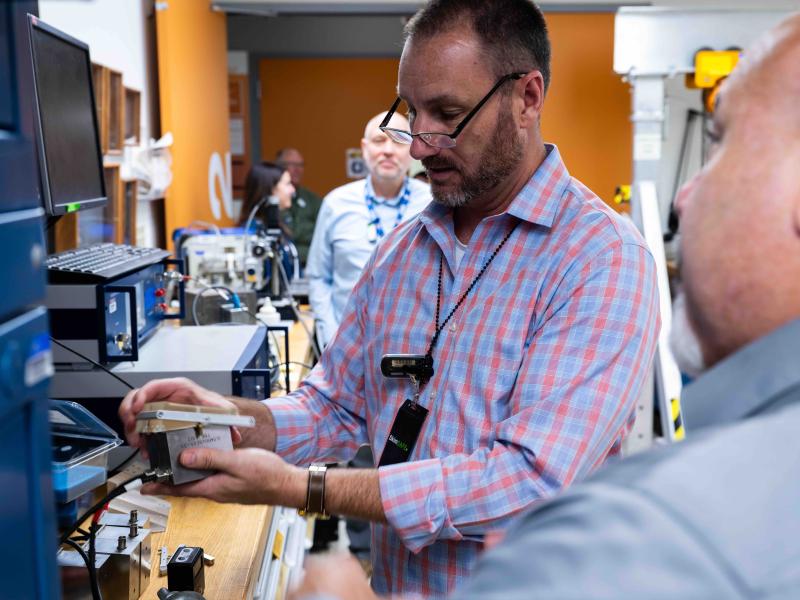
Bradley Crowell with the U.S. Nuclear Regulatory Commission sees advanced materials integrity, radiological measurement, and environmental capabilities on his first visit to PNNL.