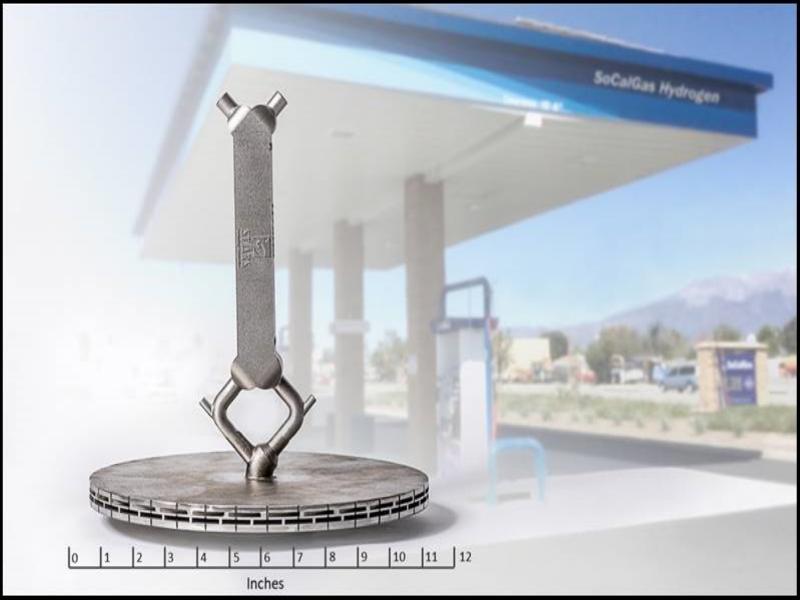
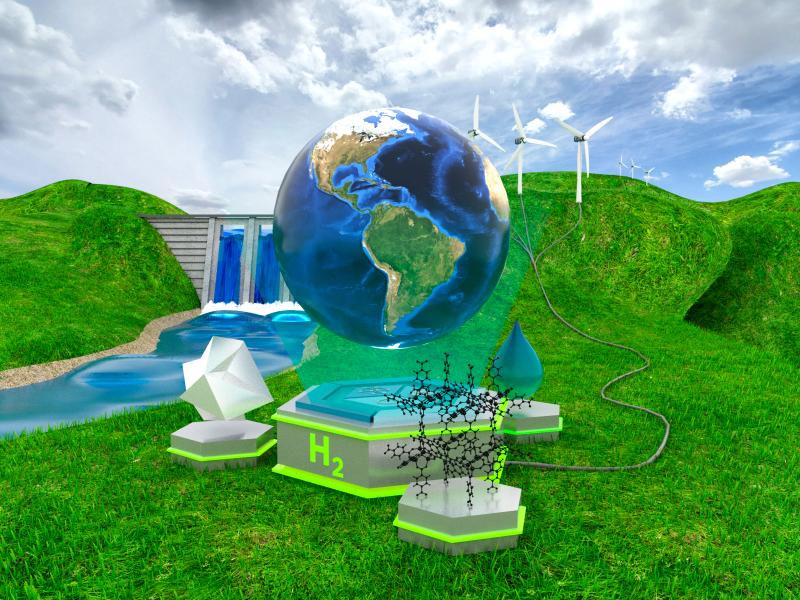
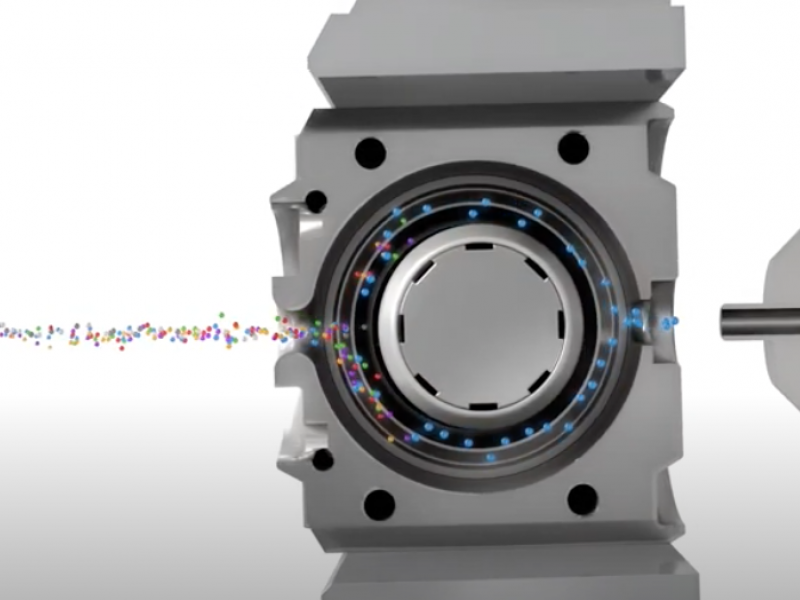
Patented microchannel heat-exchange technology enables the production of hydrogen from methane, the main ingredient of natural gas, while producing 30 percent less carbon dioxide than conventional processes.
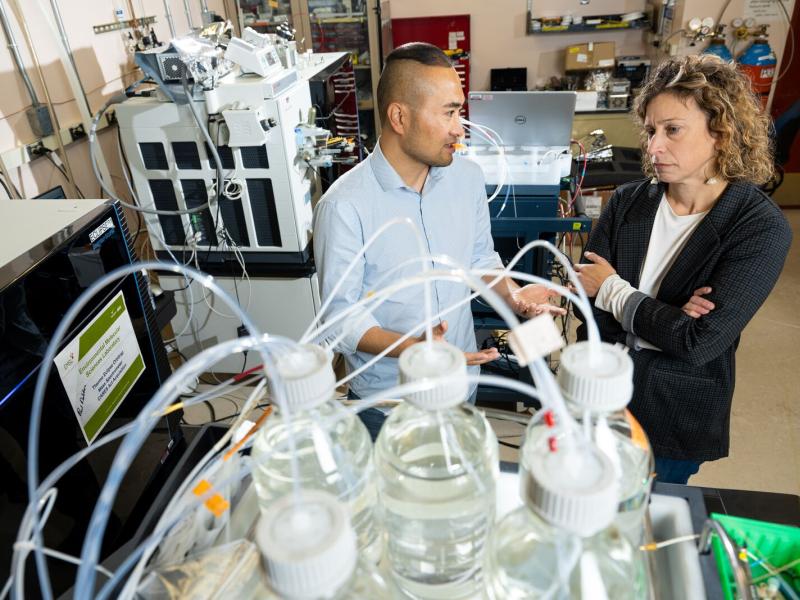
Gosline works to develop computational algorithms that are uniquely targeted for rare disease work by doing foundational research in model system development. This work can be expanded to all model systems in human disease.
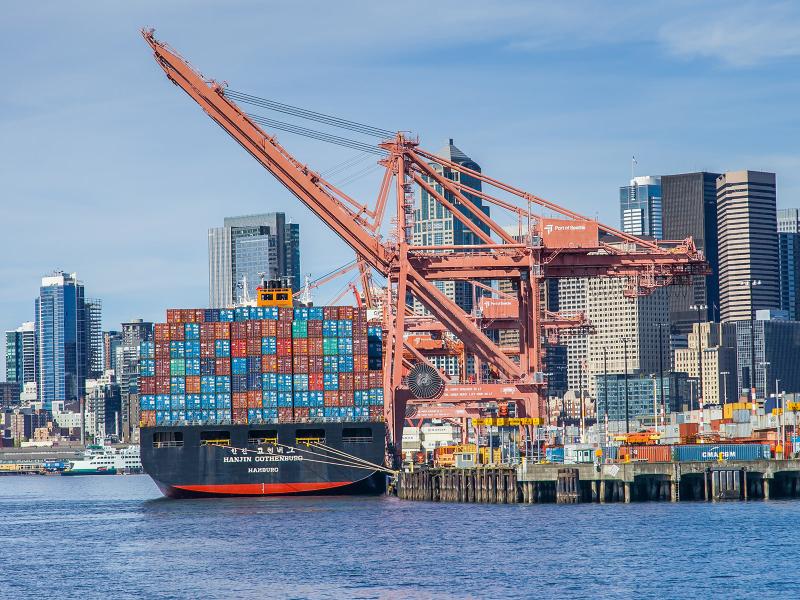
PNNL is working with the Port of Seattle and Seattle City Light to assess the risks of long-term hydrogen storage that can bring clean power for decarbonization.
To thwart pathogens, researchers in the epidemiology field of infectious disease (ID) prediction are continuously trying to forecast when, where, and how an ID event will occur.
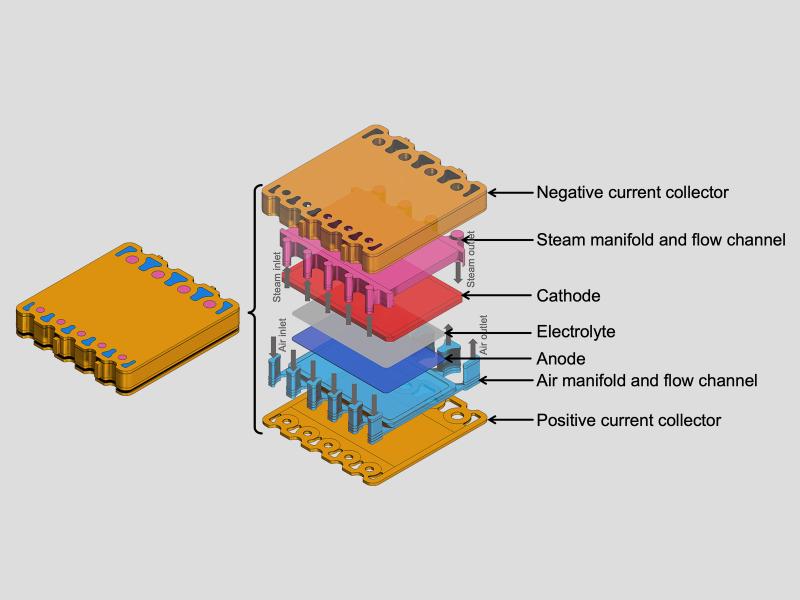
A PNNL team developed and used a model framework to understand the performance and structural reliability of a state-of-the-art solid oxide electrolysis cell design.
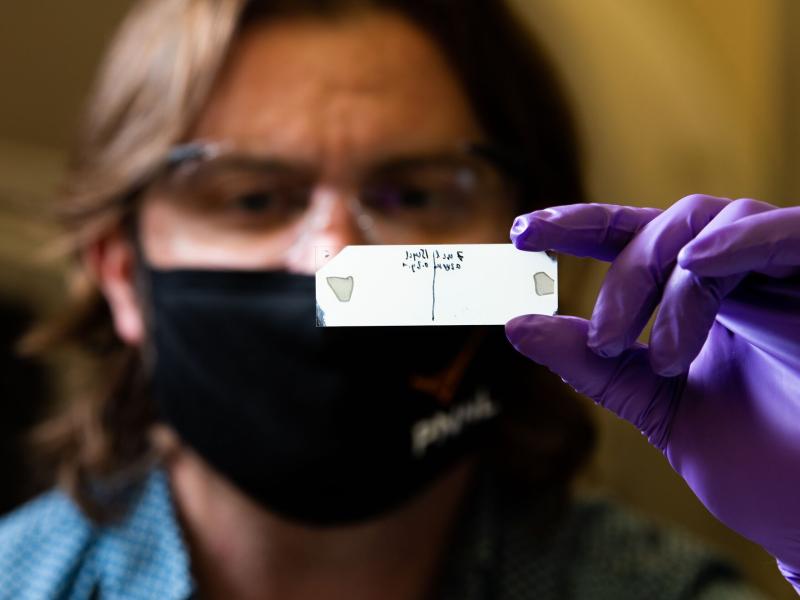
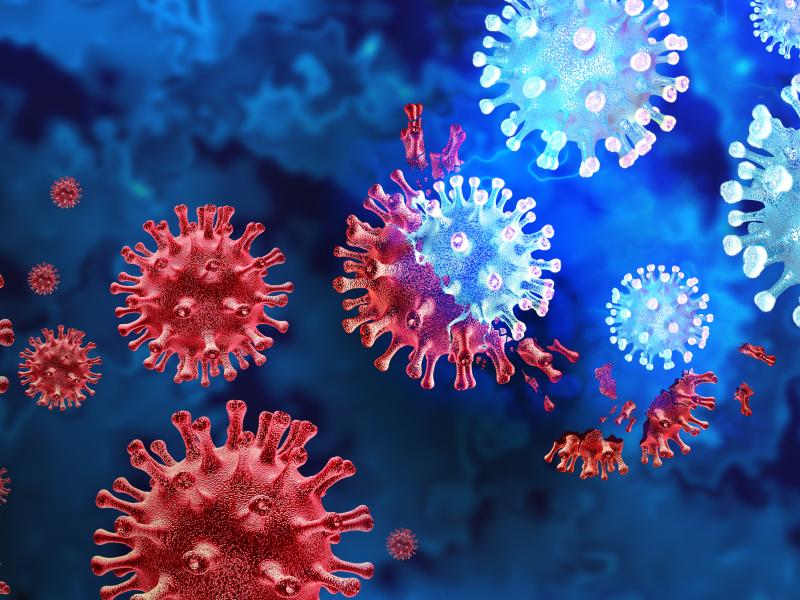
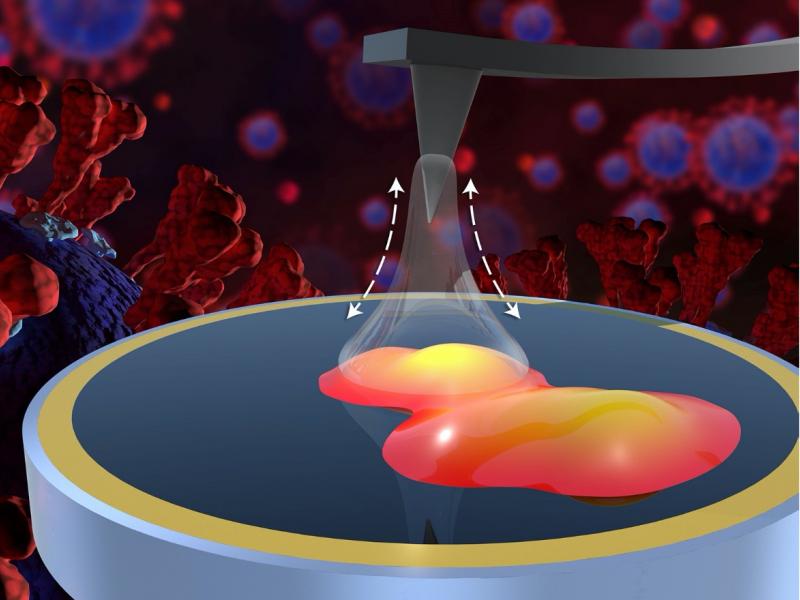
A multi-institutional team has obtained information about nanoscale interactions between the spike protein of the novel coronavirus SARS-CoV-2 and common household inorganic surfaces.