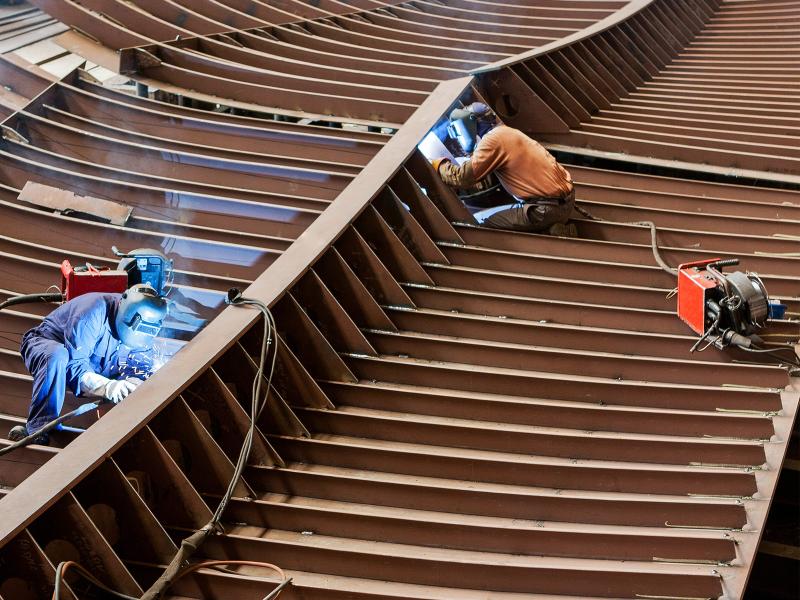
PNNL and Maritime Blue, a Washington state-based strategic alliance promoting maritime business in the Pacific Northwest, have released a report highlighting challenges—and solutions—for reinvigorating shipbuilding in the region.
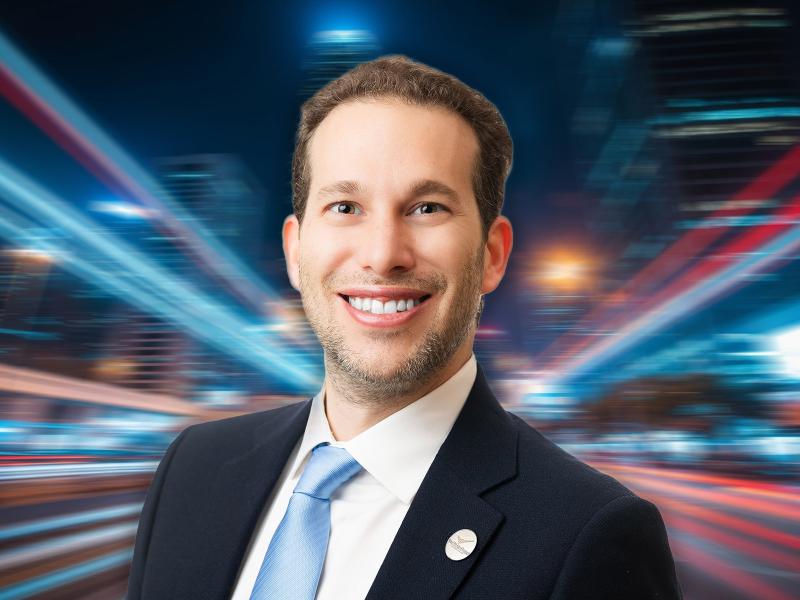
Matteo Muratori, director of transportation and industry programs at PNNL, has been named to the 2026–2028 cohort of the National Academies of Sciences, Engineering, and Medicine’s New Voices Program.
PNNL researchers have found yet another way to turn trash into treasure: using algal biochar, a waste production from hydrothermal liquefaction, as a supplementary material for cement.
This summer, PNNL hosted the inaugural “As Conductive As Copper” (AC2.0) workshop, fostering a collaborative conversation on the future of the U.S. copper supply chain.
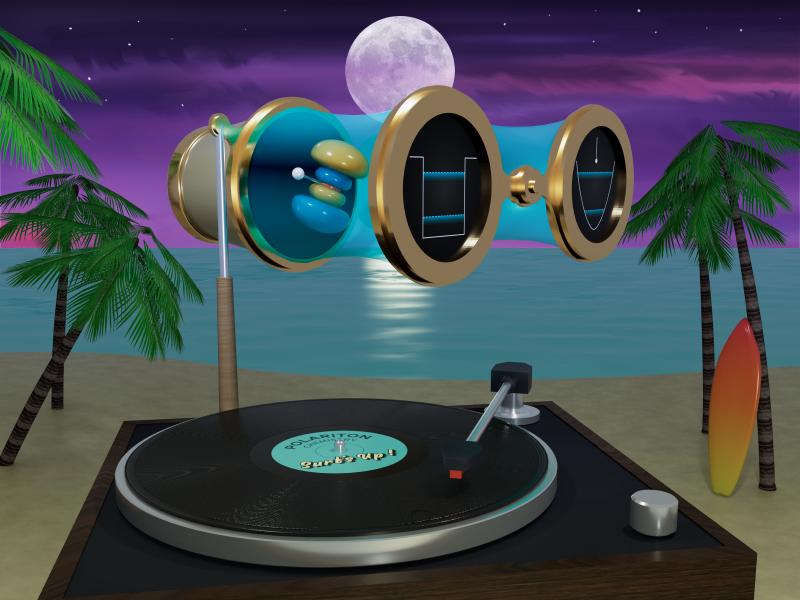
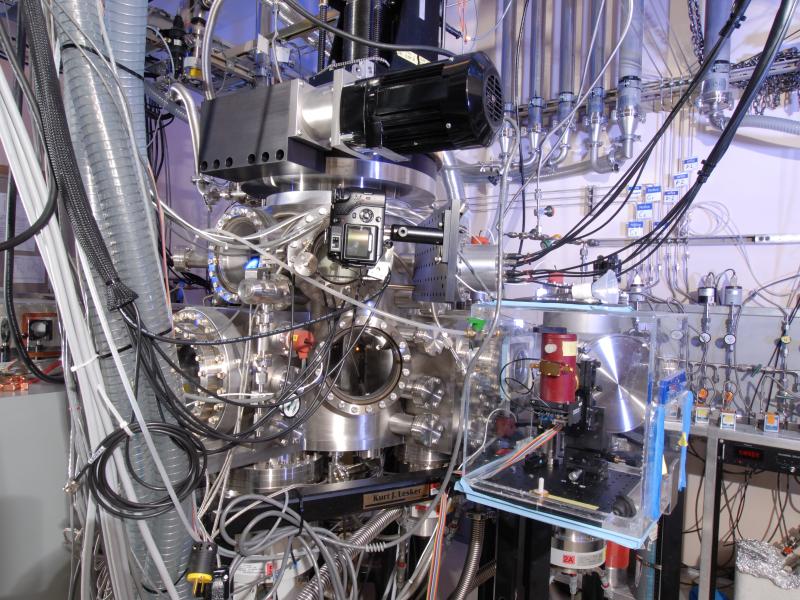
Delivering an integrated quantum-mechanical and experimental perspective on the effects of both intrinsic and externally applied electric fields at atomic-scale interfaces.
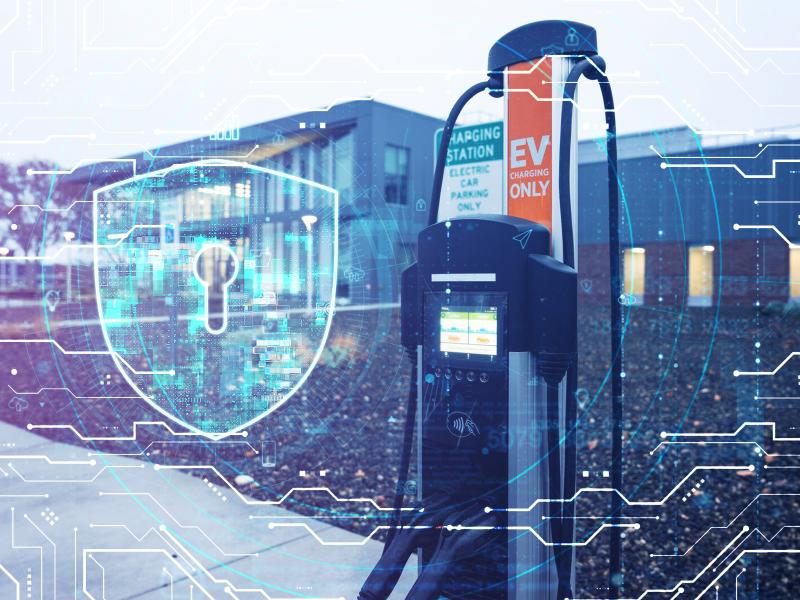
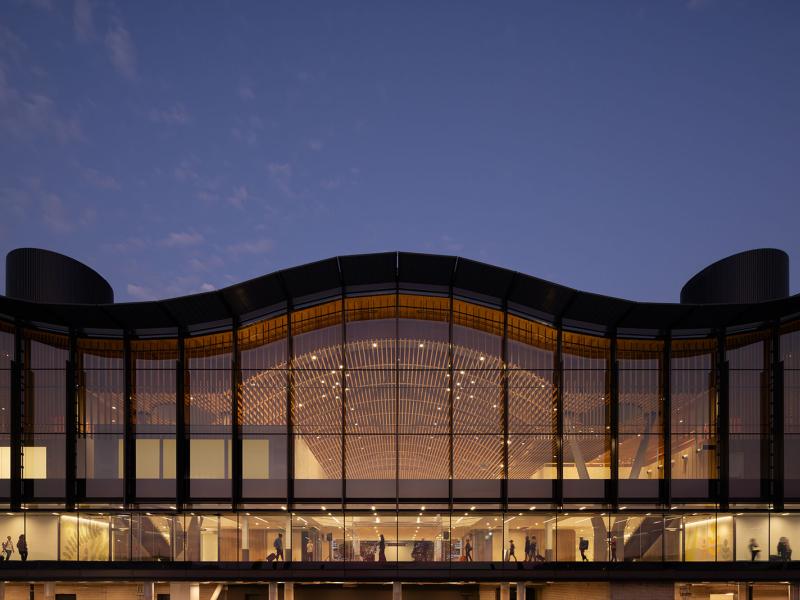
PDX, PNNL, and Sandia National Laboratories are exploring the feasibility of hydrogen fuel for the PDX bus fleet—an idea that could have novel benefits for hazard resilience.
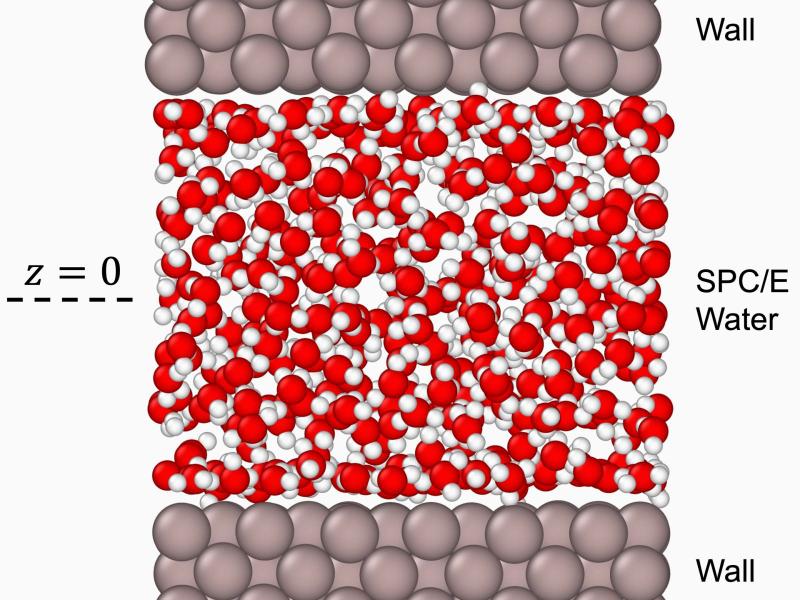
The first measurement of the proton diffusion constant at cryogenic temperatures provides insights into the mechanism of proton movement in supercooled water.
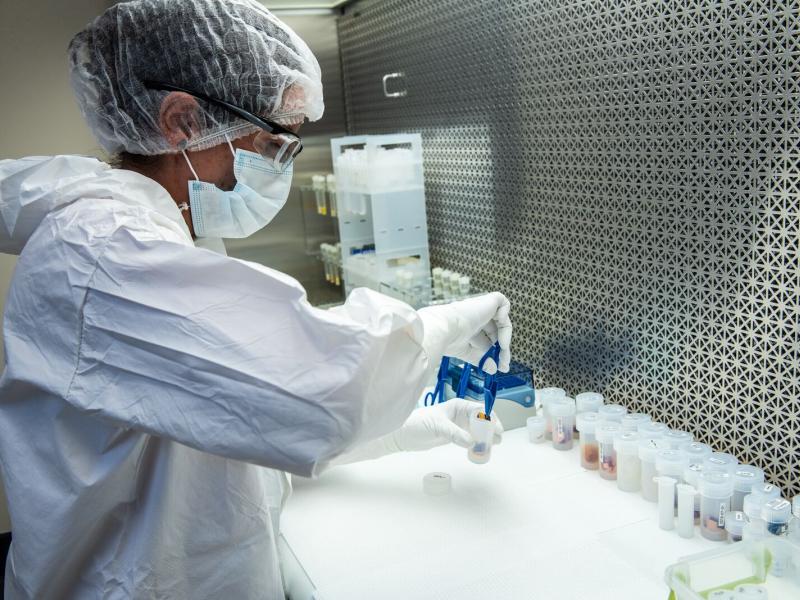
In the search for rare physics events, extremely pure materials are essential. A partnership between PNNL and Ultramet has led to tungsten with low contamination from other elements.