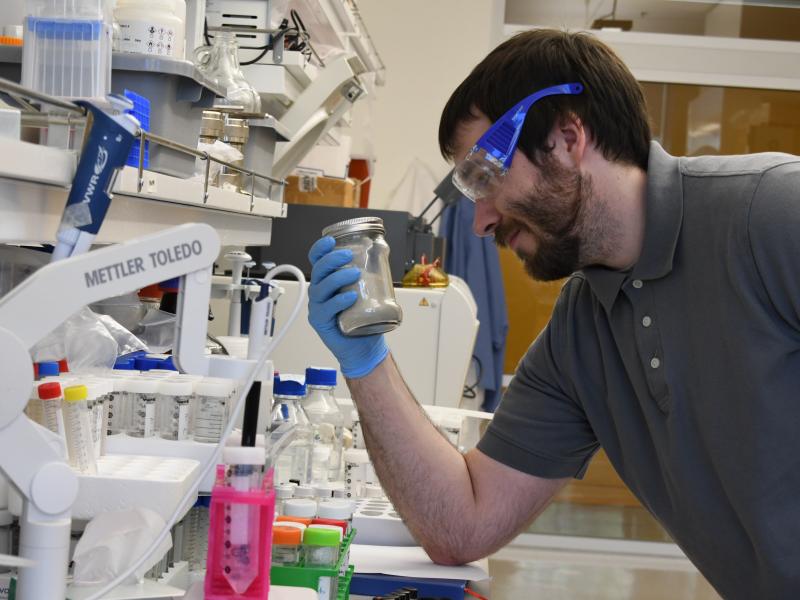
Scientists combined detailed images and coordinated time-series multiomics data to show how protein complexes regulate carbon fixation as light conditions change.
Replacing commercial acid with acidic waste enables researchers to improve nickel extraction efficiency, lower projected costs, and improve process economics.
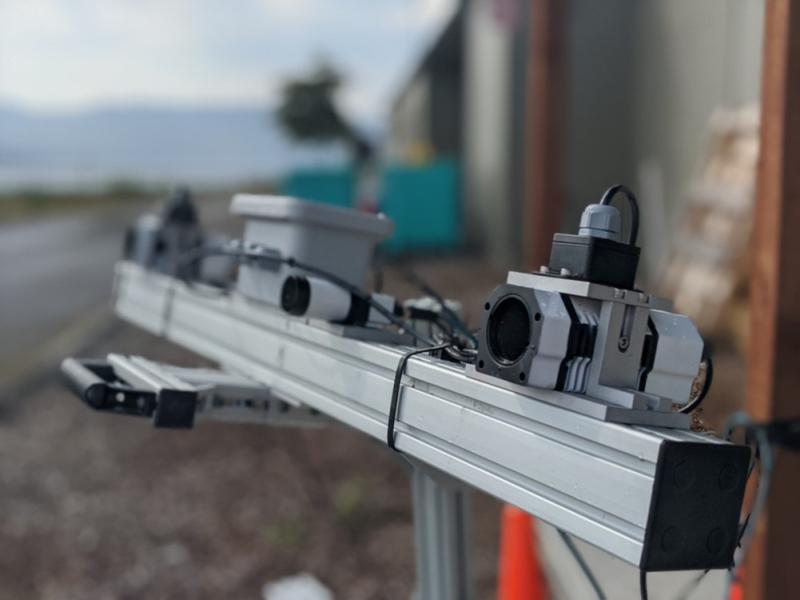
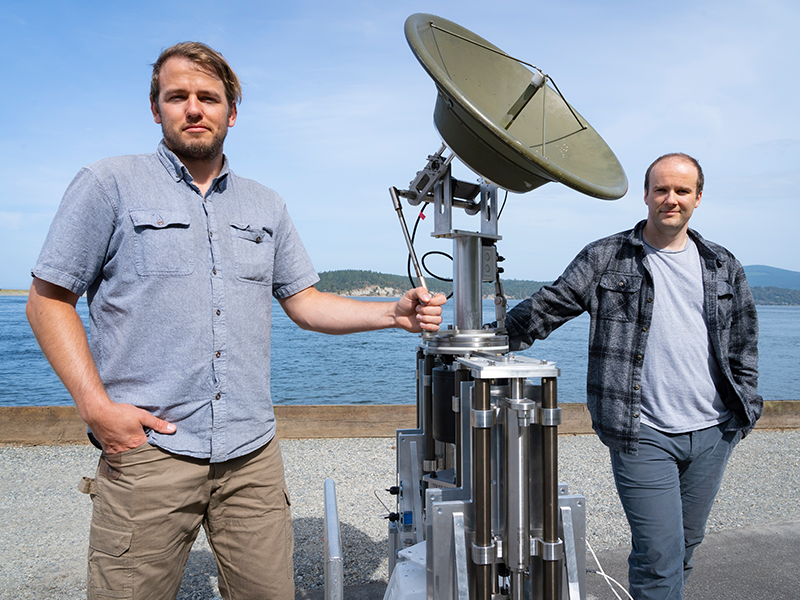
Engineers at PNNL devised a system that allows radar antennae to maintain stable orientation while mounted on platforms in open water that pitch and roll unpredictably. They were recently invited to participate in DOE's I-Corps program.
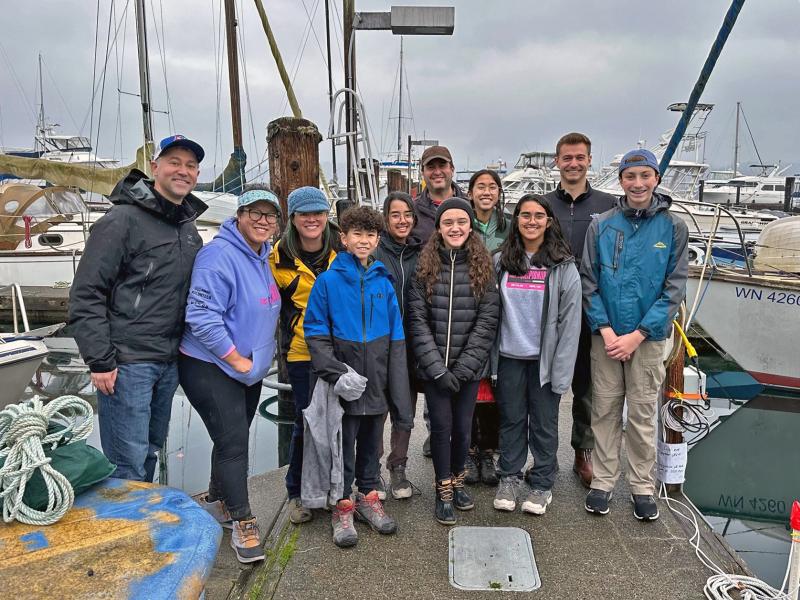
Researchers at PNNL advised elementary and middle school student teams with their problem-solving research for the FIRST® LEGO® League robotics competitions.
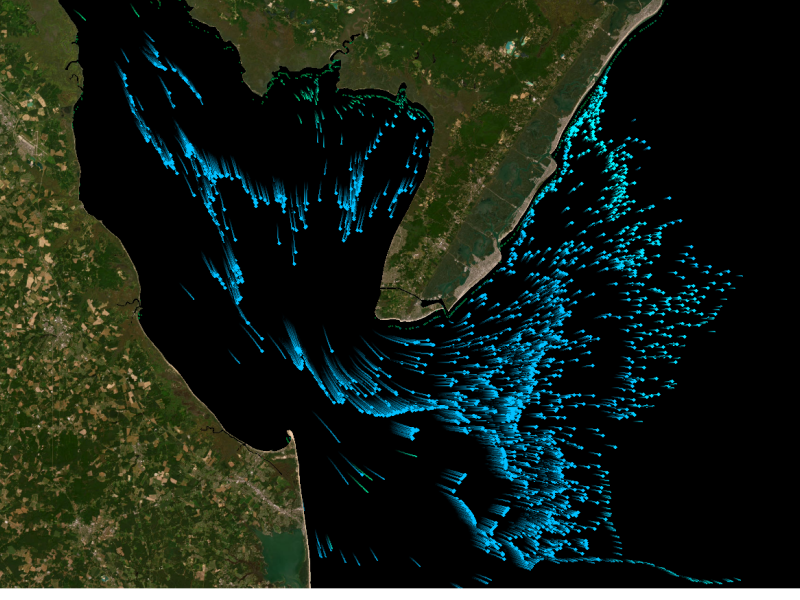
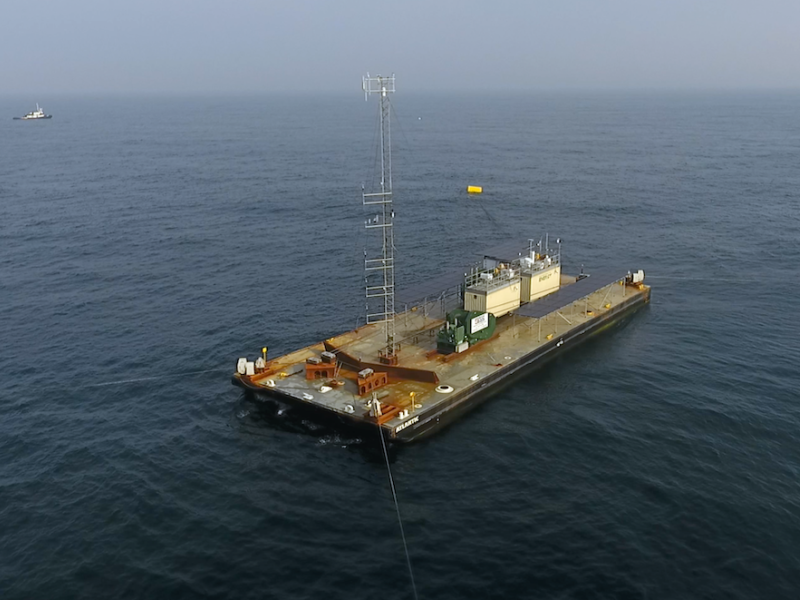
With the launch of a large research barge, PNNL and collaborators took another significant step to improve offshore wind forecasting that will lower risk and cost associated with offshore wind energy development.
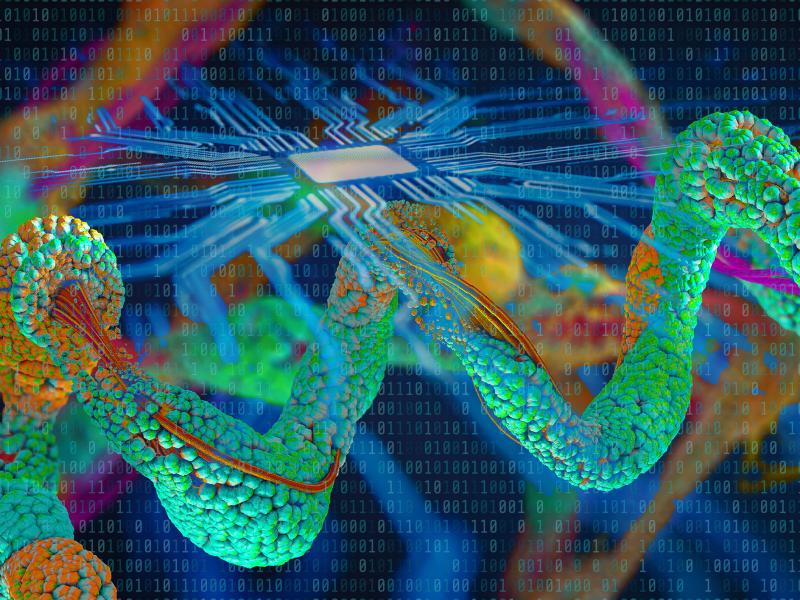
A compilation of soil viral genomes provides a comprehensive description of the soil virosphere, its potential to impact global biogeochemistry, and an open database for future investigations of soil viral ecology.
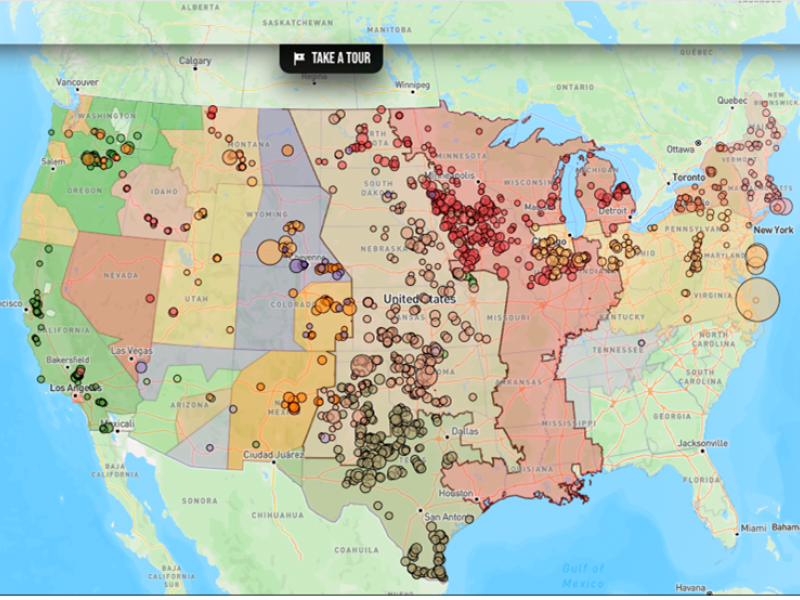
PNNL and collaborators developed new models—recently approved by the U.S. Western Electricity Coordinating Council (WECC)—to help utilities understand how new grid-forming inverter technology will enhance grid stability.
PNNL served as workshop partner for the 2024 Marine Technology Society Buoy Workshop, held this year in Sequim, Washington, where PNNL operates the only marine research facilities in the Department of Energy system.