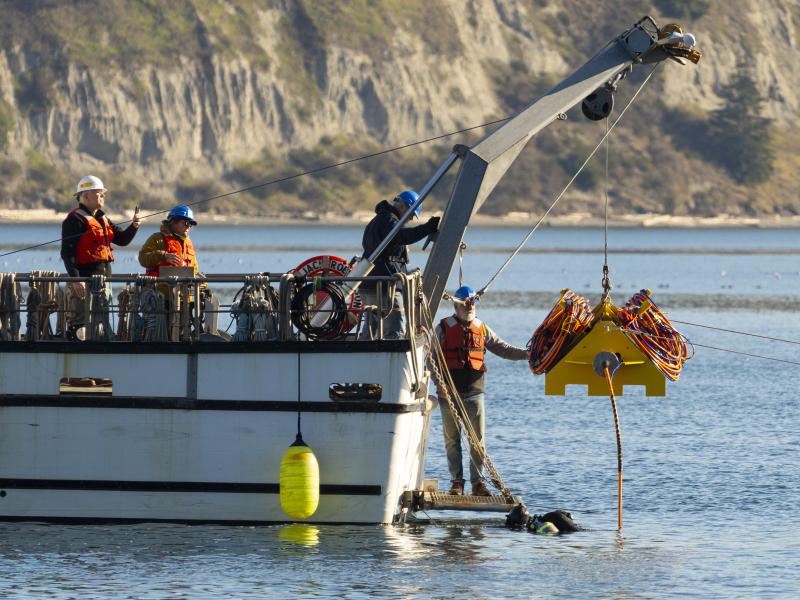
PNNL and Maritime Blue, a Washington state-based strategic alliance promoting maritime business in the Pacific Northwest, have released a report highlighting challenges—and solutions—for reinvigorating shipbuilding in the region.
PNNL has developed a next-generation electrical resistivity tomography system for DOE that uses E4D software and AI-enhanced modeling to produce real-time subsurface images that help guide environmental remediation decisions.
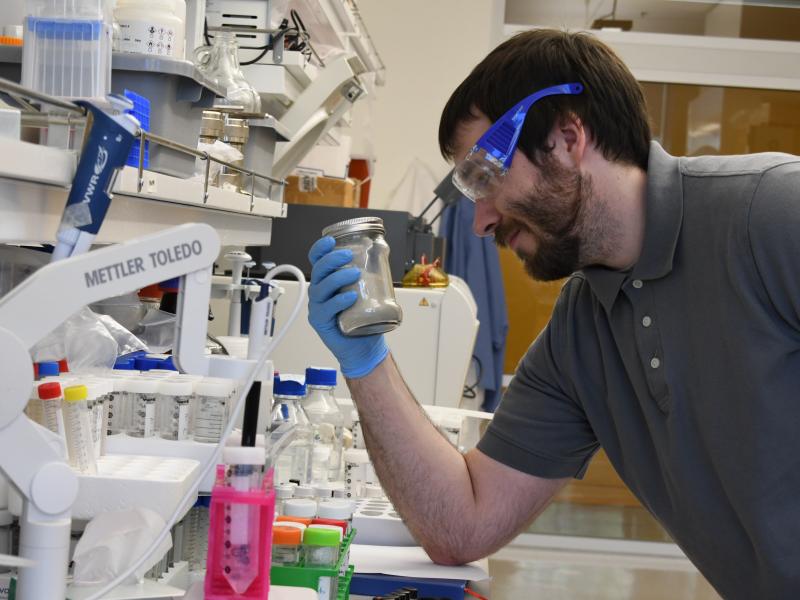
Replacing commercial acid with acidic waste enables researchers to improve nickel extraction efficiency, lower projected costs, and improve process economics.
Matteo Muratori, director of transportation and industry programs at PNNL, has been named to the 2026–2028 cohort of the National Academies of Sciences, Engineering, and Medicine’s New Voices Program.
Connecting energy generation, electricity storage, and using sensors and control software to track load, including precommercial market marine energy generation technologies.
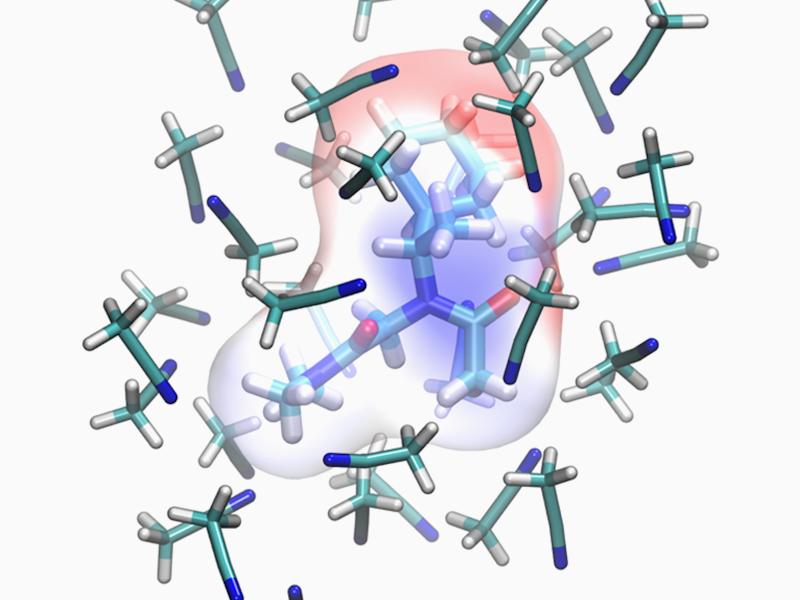
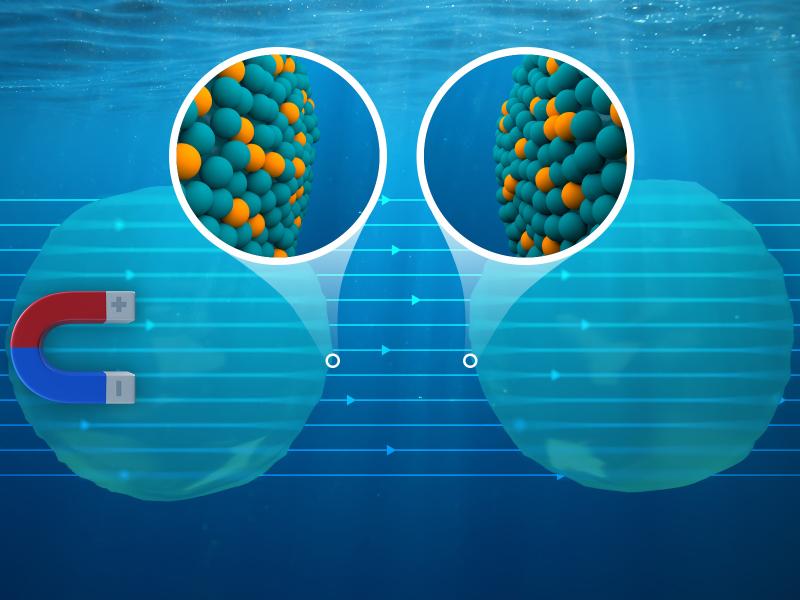
Localized gradients in magnetic fields have long-range effects on the concentration of rare earth ions in solution, facilitating field-driven extraction of critical minerals.
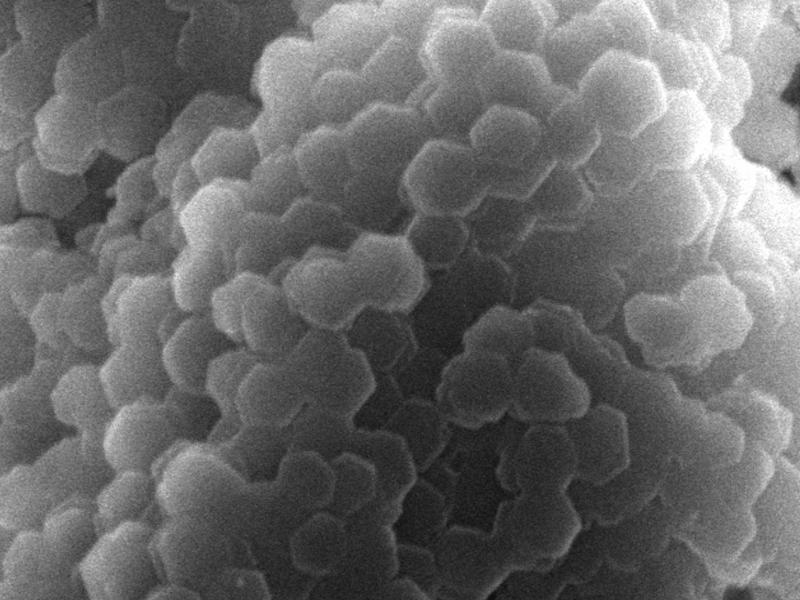
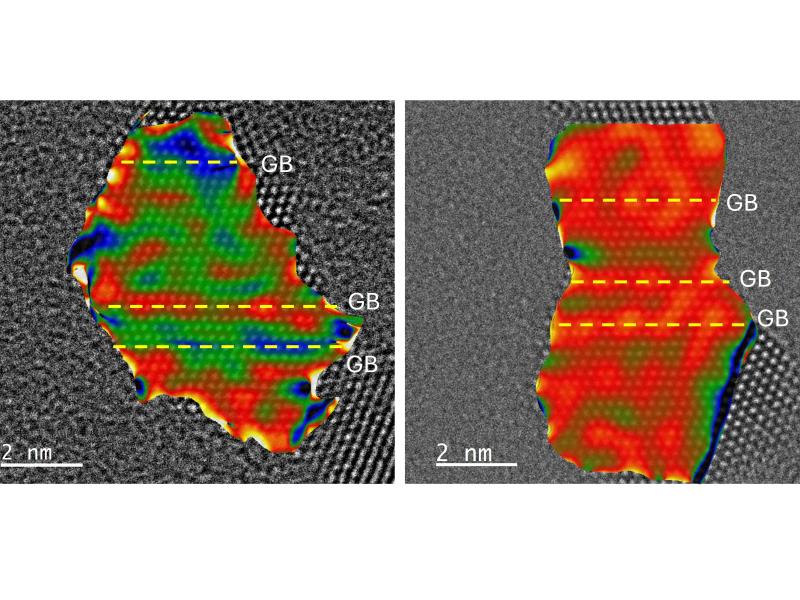
Hydrogen preferentially inserts at grain boundaries between interconnected chains of palladium nanoparticles, which have a lower energy barrier for hydrogen incorporation into the material.
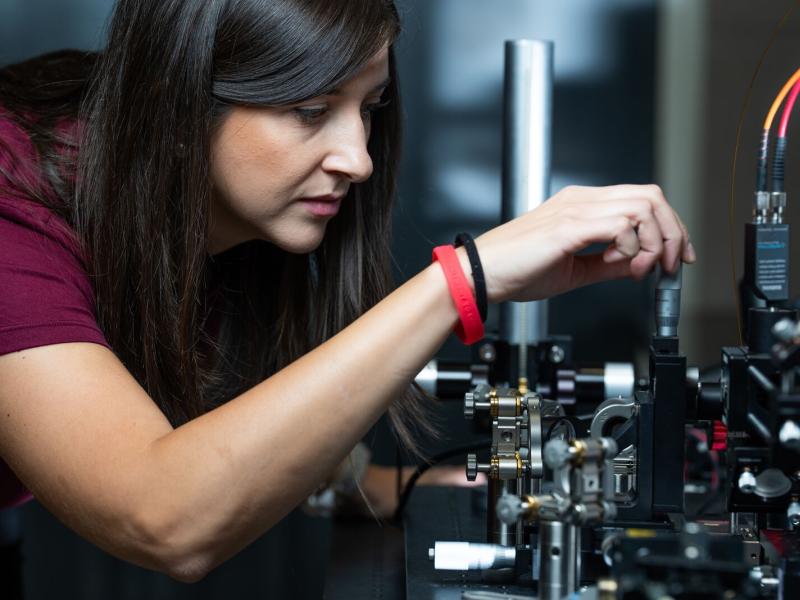
Nanoscale domains of magnetically susceptible critical materials encounter enhanced magnetic interactions under external magnetic fields, providing a promising new avenue for separations.