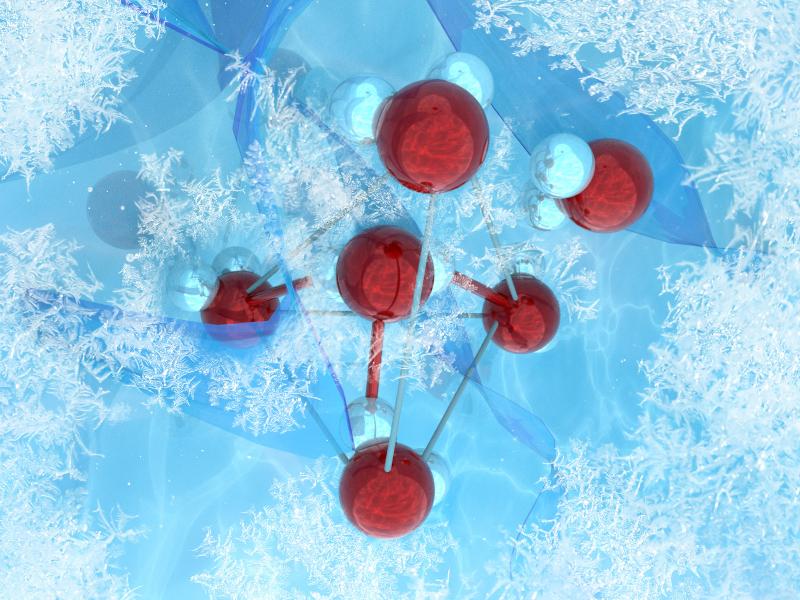
New study elucidates the complex relaxation kinetics of supercooled water using a pulsed laser heating technique at previously inaccessible temperatures.
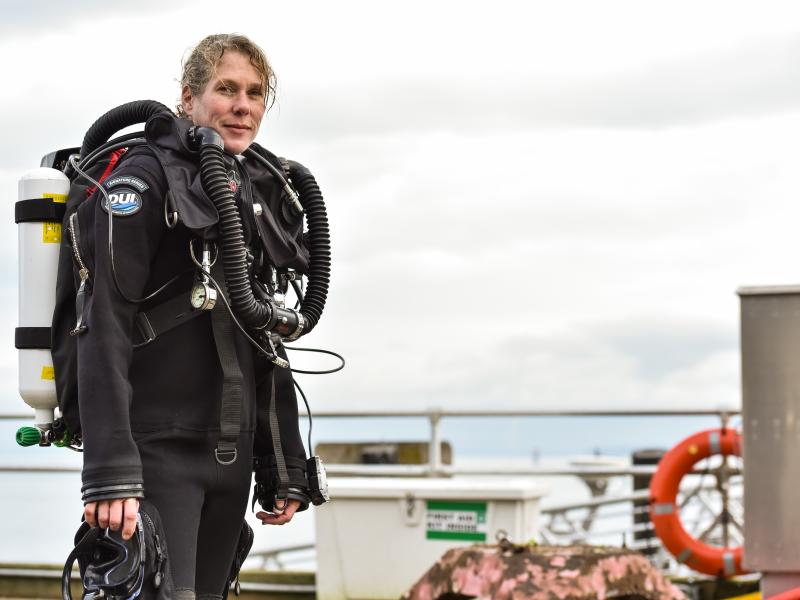
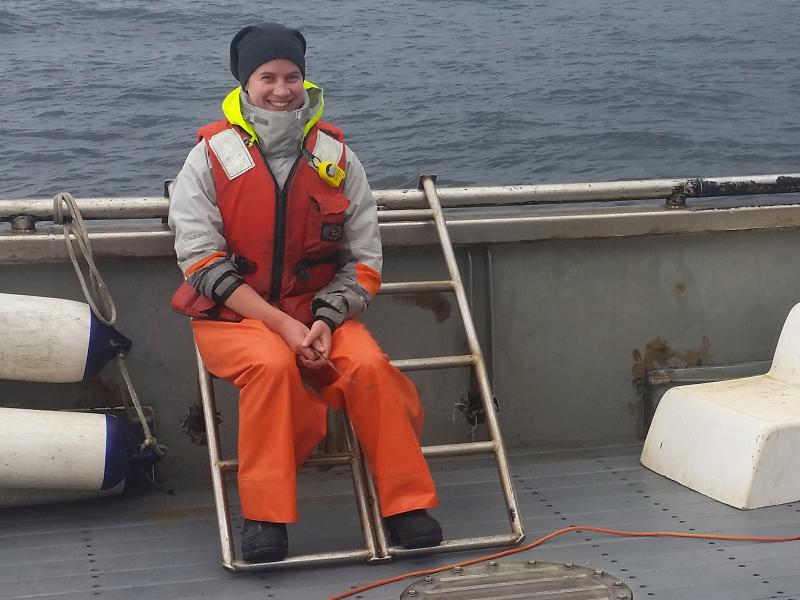
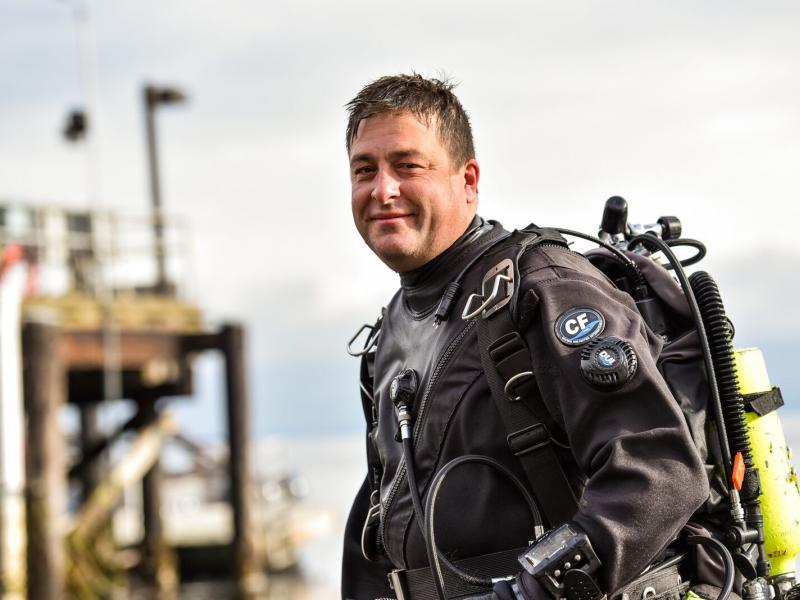
Cailene Gunn discusses her work in science communication and how she communicates the Triton Initiative's research to help advance the marine energy industry.
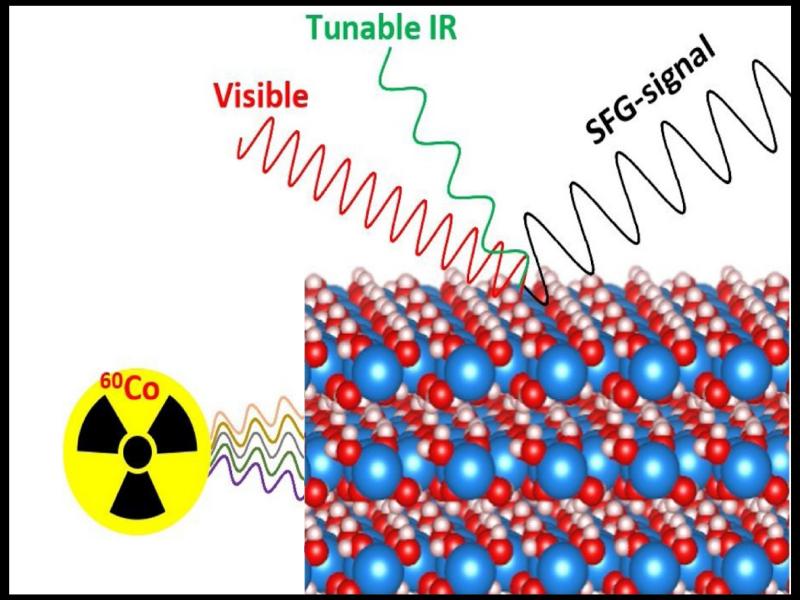
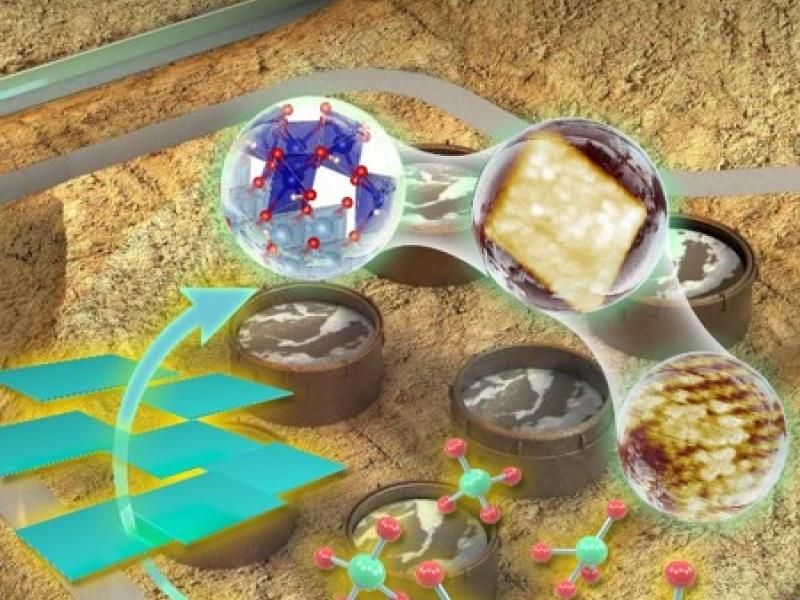
Researchers gained insight into the interfacial radiation chemistry of radioactive waste sludge through studies of surface functional groups on model aluminum-containing solids
Samantha Eaves discusses the future of marine energy and her role with Triton from the Department of Energy Water Power Technologies Office perspective.
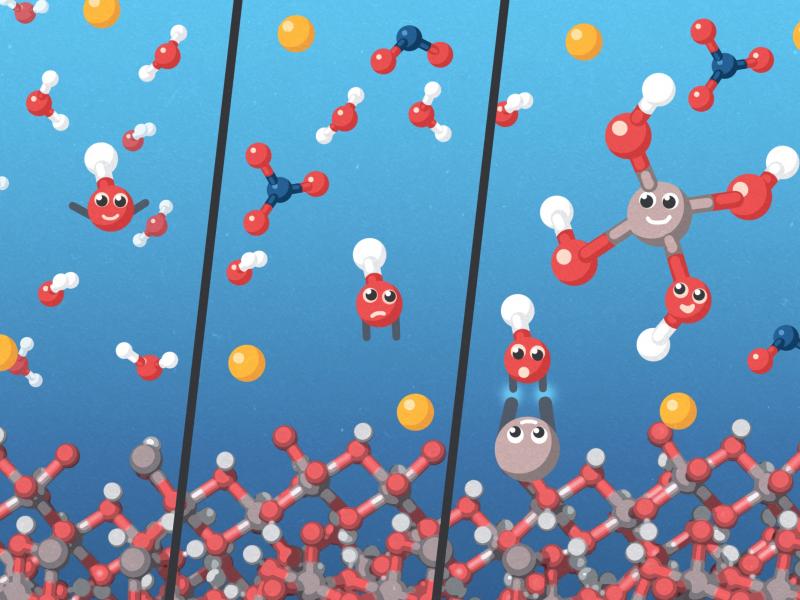
IDREAM researchers have discovered the chemical processes that underpin gibbsite solubility in sodium hydroxide, including sodium nitrate and sodium nitrite interactions.
Ecological modeler Kate Buenau discusses how the Triton Initiative can use modeling to predict potential environmental effects of marine energy systems.
Electrical engineer Nolann Williams supports technical development for DOE-funded projects building marine energy environmental monitoring technologies.
Researchers adding water to the surface of alumina measured some surprising results that raise important questions regarding the fundamental reactions that govern chemical transformations of aluminum oxides and hydroxides.
Scientists at the Interfacial Dynamics in Radioactive Environments and Materials (IDREAM) sort out which compounds are present and their concentrations, providing an important new tool with broad applicability.