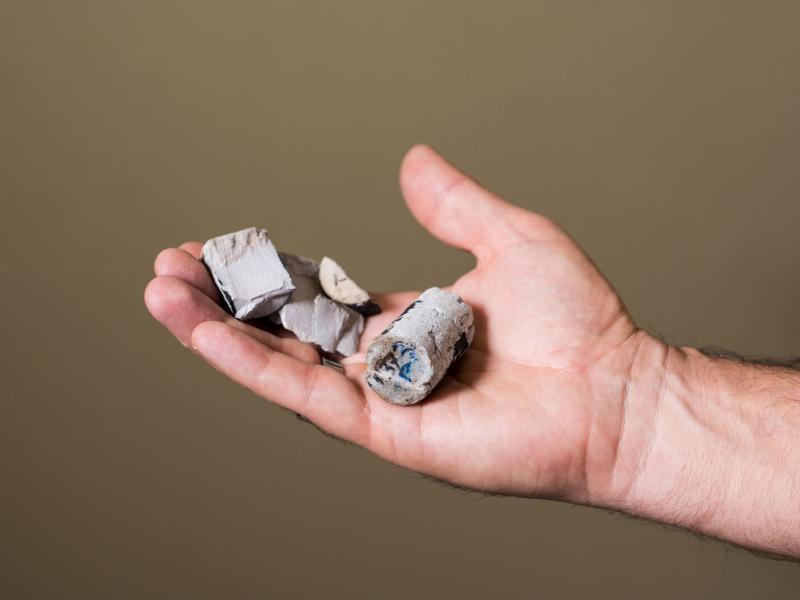
PNNL’s miniaturized acoustic transmitter expands tracking to smaller fish, giving researchers data that can inform fish passage and hydropower operations.
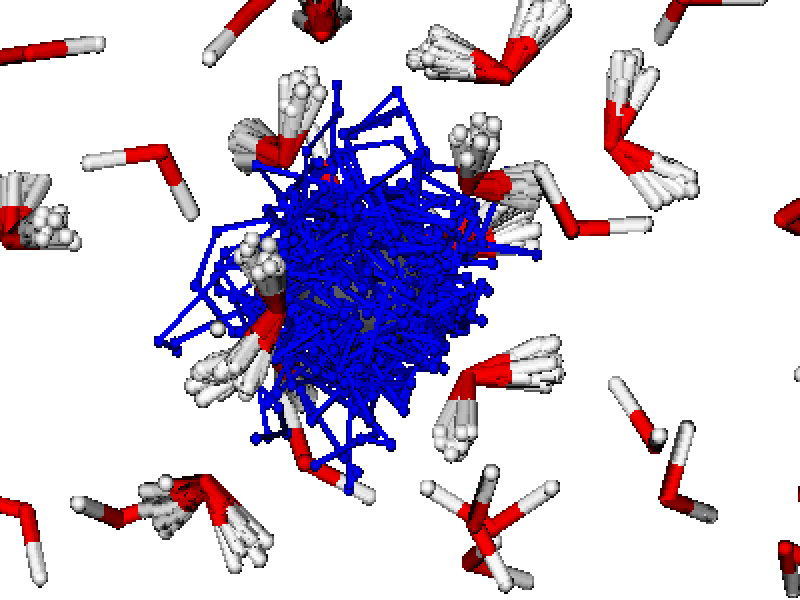
Researchers discovered that frustrated electric forces drive a novel precipitation pathway called microphase separation and identified a precursor intermediate state of ordered ion networks.
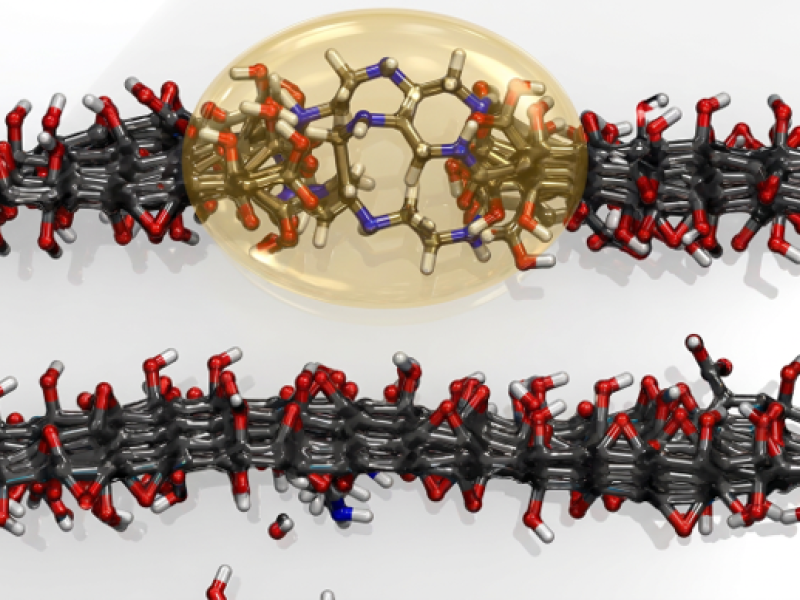
Amine functionalized graphene oxide yields laminates with an enhanced capacity to adsorb rare earth elements, improved water transport, and greater stability for effective membrane-based separation of critical minerals.
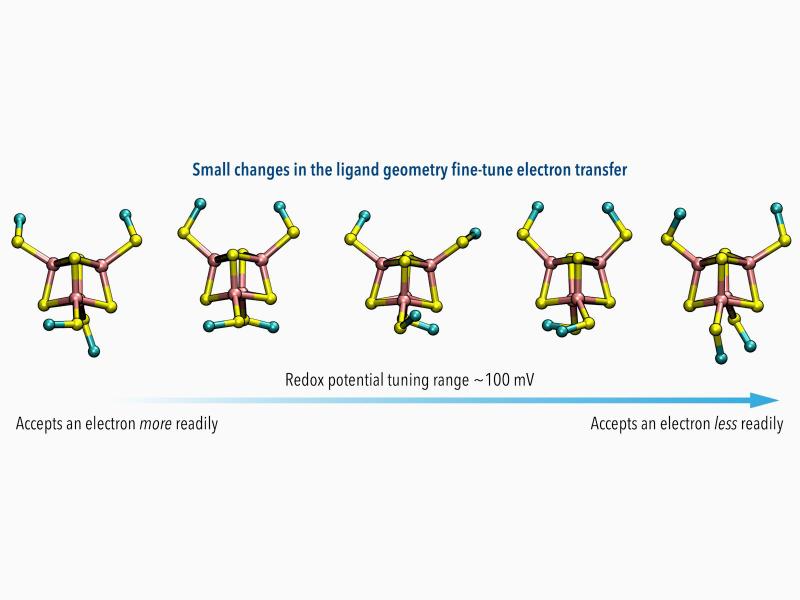
Research provided definitive spectroscopic characterization, reactivity, and deactivation of a reactive monomeric diphosphine-copper hydride intermediate.
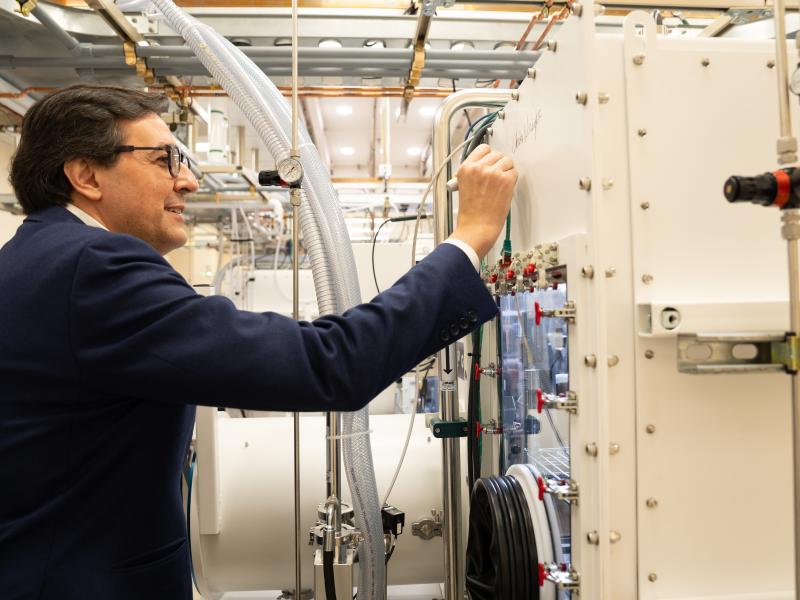
David Wunschel, a chemist and Laboratory Fellow, participated on a panel focused on how emerging technologies are transforming CBRN defense, detection, and response across military and government operations.