The Earth System Model Aerosol–Cloud Diagnostics package version 2 uses aircraft, ship, ground, and satellite measurements to evaluate detailed physical processes in aerosols, clouds, and aerosol–cloud interactions.
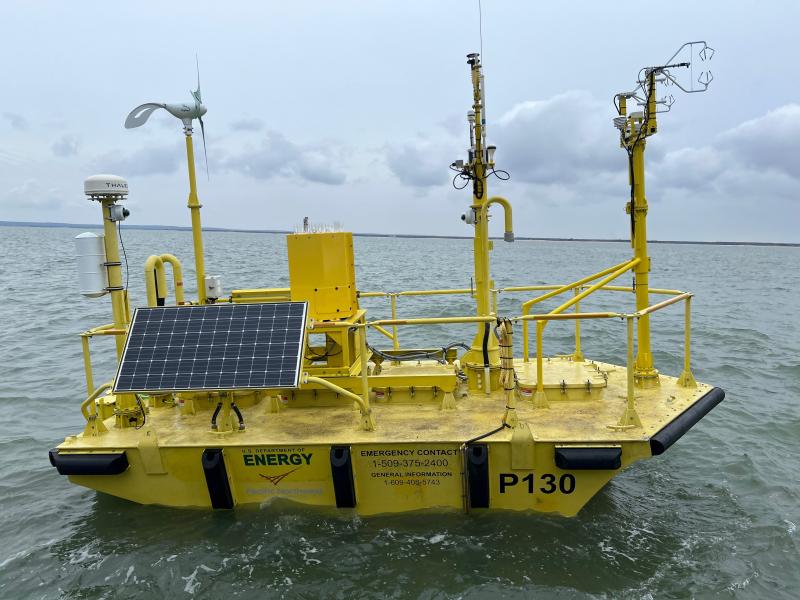
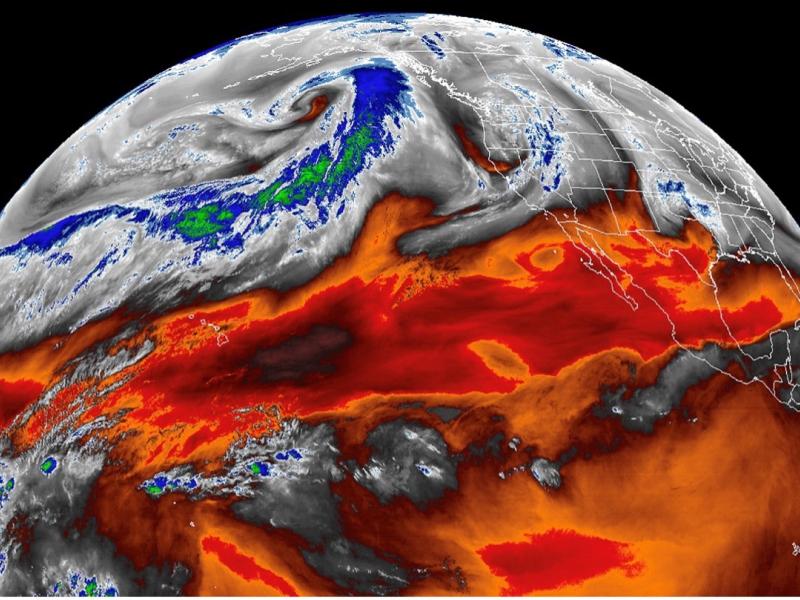
The nation is closer to its offshore wind energy goals than ever before, but better wind forecasting is still needed. To address this challenge, PNNL and collaborators are charting a new course with help from novel technology.
PNNL’s Center for the Remediation of Complex Sites convened attendees from around the world to discuss challenges associated with environmental contamination.
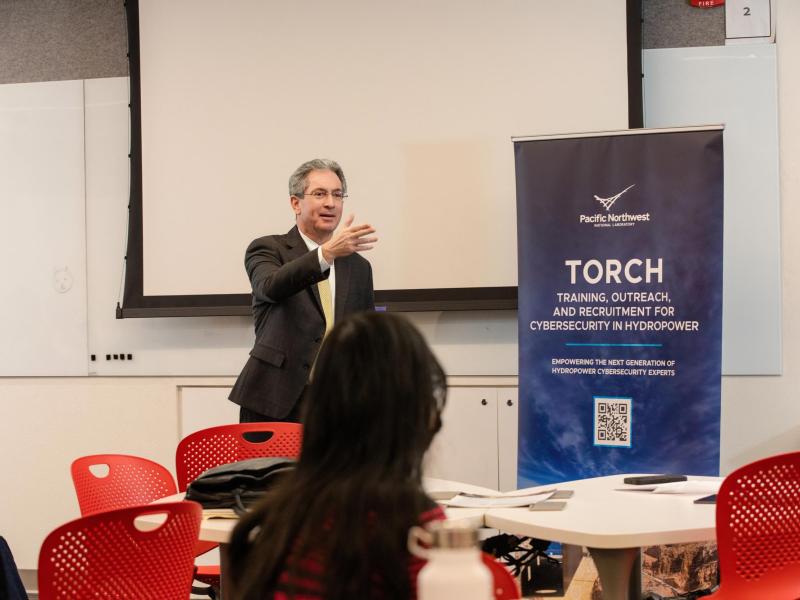
Pacific Northwest National Laboratory launches the Training Outreach and Recruitment for Cybersecurity Hydropower program at the University of Texas at El Paso.
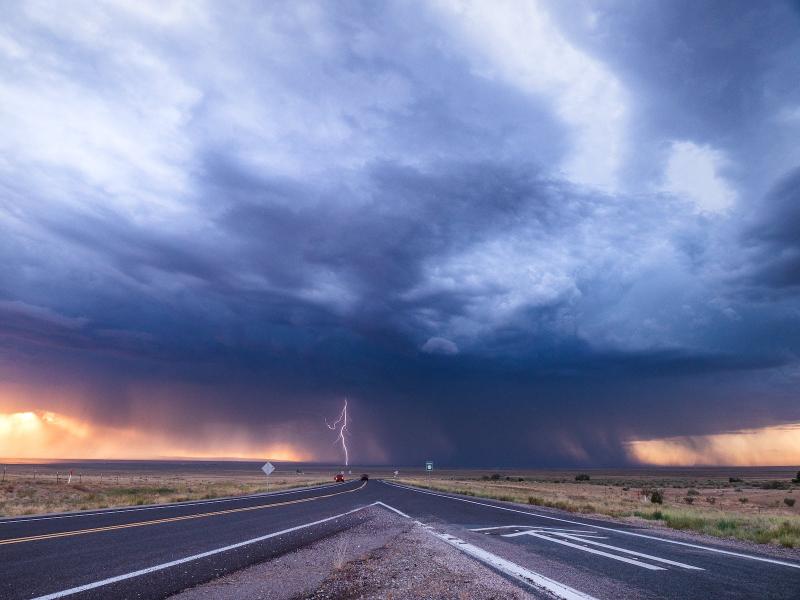
New research shows how cloud shapes affect the process of cloud evolution, resulting in better understanding of how clouds behave, improving weather forecasts, and enhancing comprehension of climate systems.
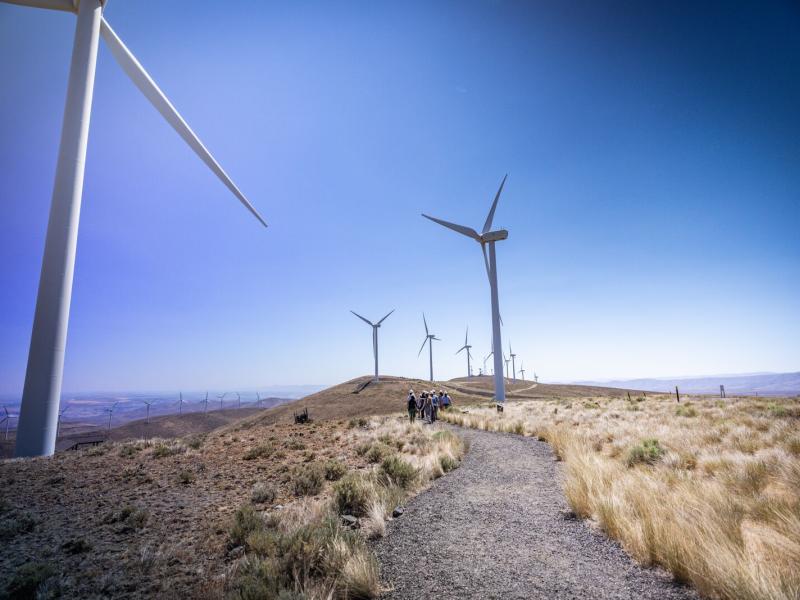
Fiscal year 2023 offered PNNL wind researchers a wealth of opportunity to address wind implementation challenges and expand its support of various federal and state agency wind energy goals.
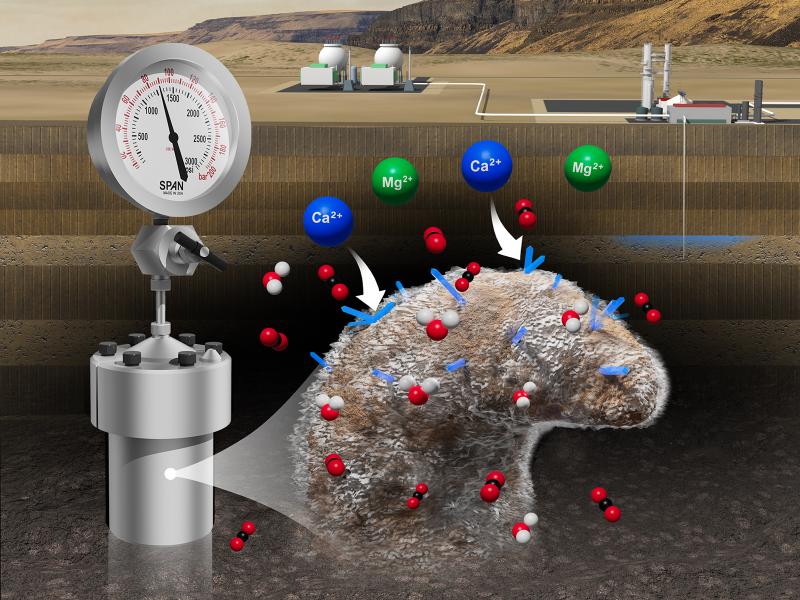
Department of Energy’s Advanced Research Projects Agency-Energy selects PNNL project to help accelerate the development of marine carbon dioxide removal technologies.