To assess the impact of observation period and gauge location, model parameters were learned on scenarios using different chunks of streamflow observations.
PNNL's E-COMP initiative is helping unleash American energy innovation with advanced theories, models, and software tools to better operate power systems that rely heavily on high-speed power electronic control.
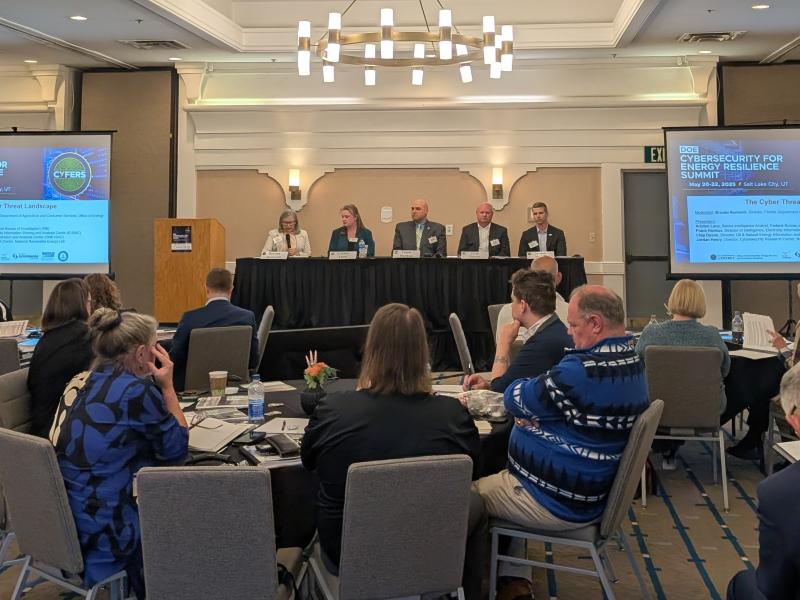
CESER and PNNL convened a three-day summit with more than 100 state officials, cybersecurity experts, and industry leaders across 35 states to advance energy security planning, cyber risk assessment, and fortify protections against attacks.
This study presents an automated method to detect and classify open- and closed-cell mesoscale cellular convection (MCC) using long-term ground-based radar observations.
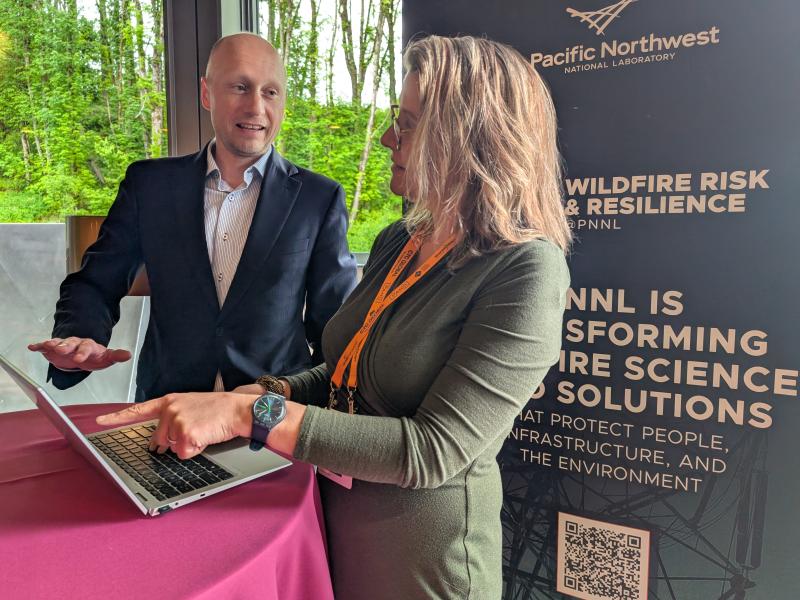
The Wildfire Mitigation Plan Database was built to support electric utilities, state governments, policymakers, and regulators in understanding and improving wildfire risk and resilience strategies.
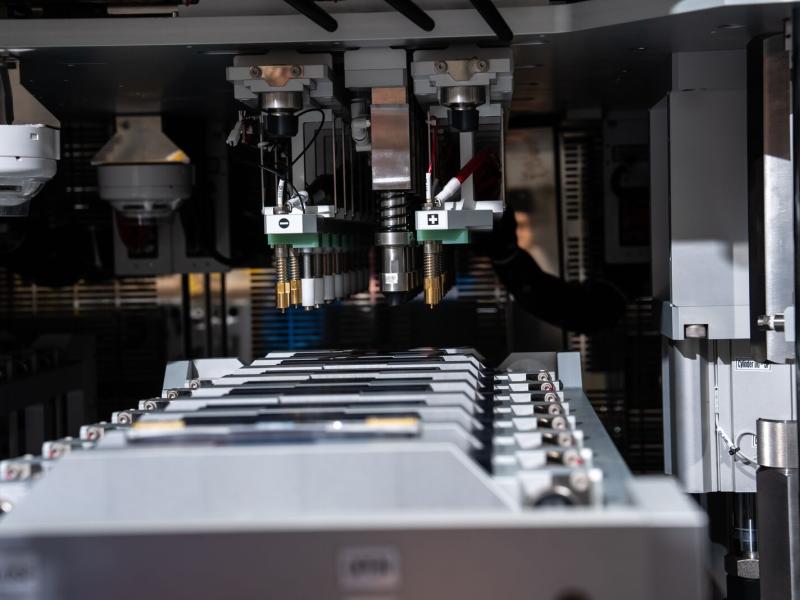
Ampcera has an exclusive licensing agreement with PNNL to commercially develop and license a new battery material for applications such as vehicles and personal electronics.
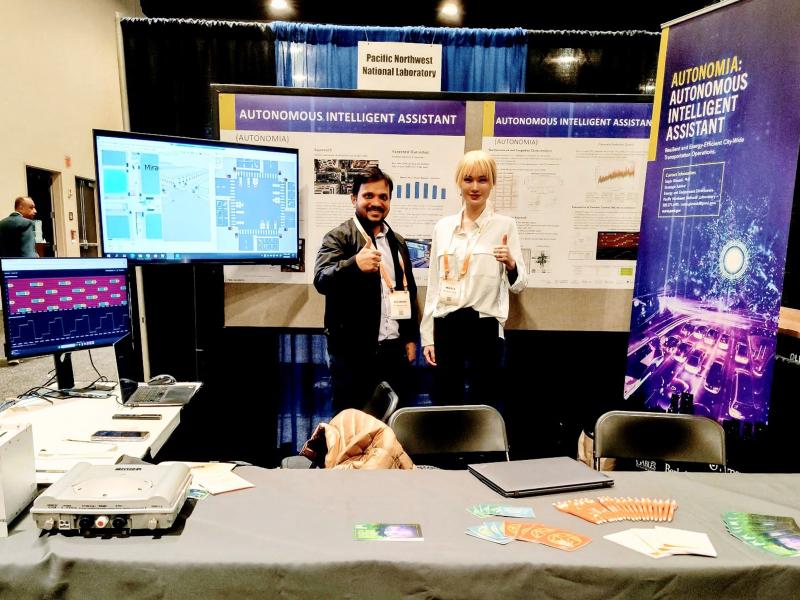
The ARPA-E Energy Innovation Summit brings together researchers, industry leaders, entrepreneurs, and investors to showcase the latest technologies shaping tomorrow’s energy landscape. This year, eight projects led by PNNL were featured.
The Generator Scorecard, developed by PNNL in partnership with BPA, automates generator evaluations, reducing engineering workloads and improving grid reliability.
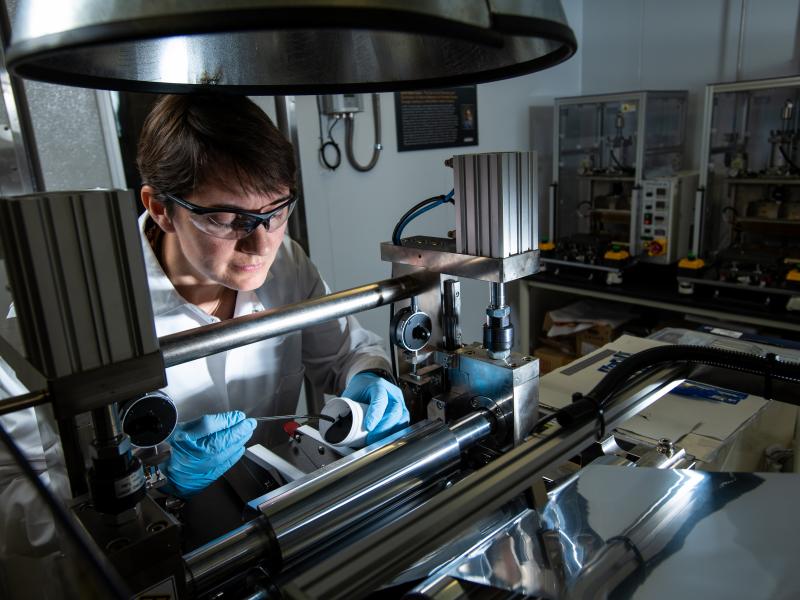
EZBattery Model allows energy storage researchers to more quickly and easily identify the best performing battery designs without the need for extensive physical prototyping or computationally expensive simulations.
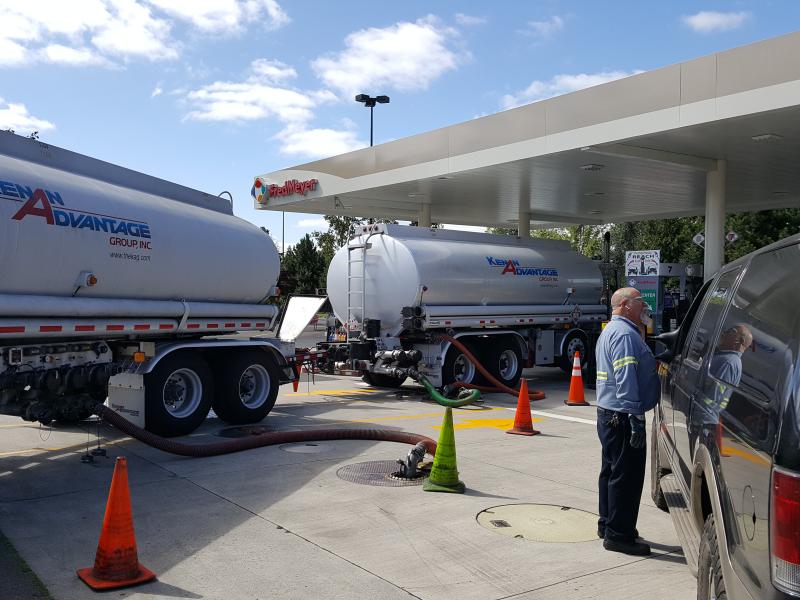
PNNL will analyze current and projected transportation fuel dynamics, supply chain risks, and risk comparators with relevant sectors, such as transportation electrification.
Global experts gathered at PNNL for the 9th International Conference on Sodium Batteries, sharing advancements in sodium battery research and development.
Research that modeled increased heat pump adoption alongside climate change impacts in Texas showed that high-efficiency heat pumps buffer the strain that electric heating might put on the power grid.
The Sodium-ion Alliance for Grid Energy Storage, led by PNNL, is focused on demonstrating high-performance, low-cost, safe sodium-ion batteries tested for real-world grid applications.
Three PNNL-supported projects are at the forefront of developing advanced data analytics technologies to enhance the U.S. power grid’s reliability, resilience, and affordability.
PNNL researchers are exploring the kinds of flicker waveforms that the eye and brain can detect, seeking to understand the different visual and non-visual effects that result.