The Forefront23 workshop convened researchers, scientists, and engineers who are just that: at the forefront of cybersecurity and nuclear nonproliferation.
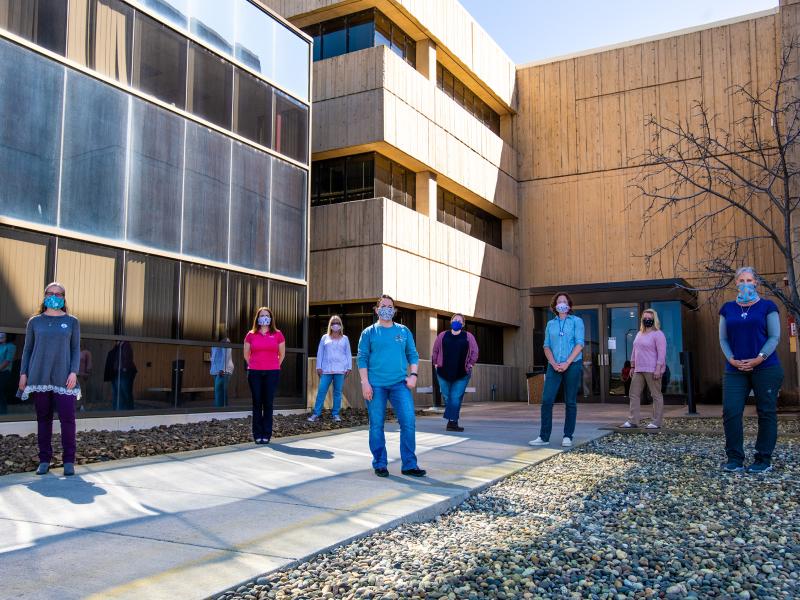
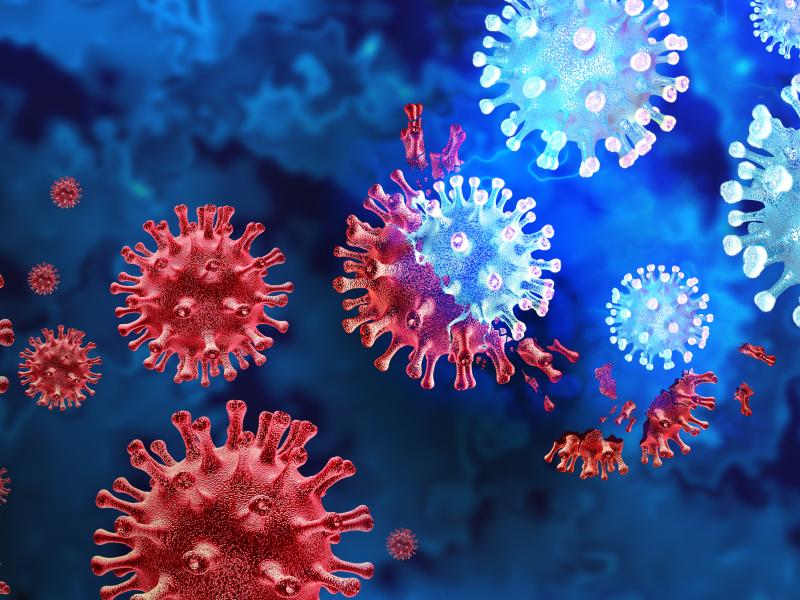
COVID-19 infections at PNNL early in the pandemic were caused by a wide variety of viral sequences, according to a new analysis by Laboratory researchers.
Gosline works to develop computational algorithms that are uniquely targeted for rare disease work by doing foundational research in model system development. This work can be expanded to all model systems in human disease.
To thwart pathogens, researchers in the epidemiology field of infectious disease (ID) prediction are continuously trying to forecast when, where, and how an ID event will occur.
Advancing the science of radiation, especially among students at minority-serving institutions, is the goal of one of the Department of Energy’s newest consortia.
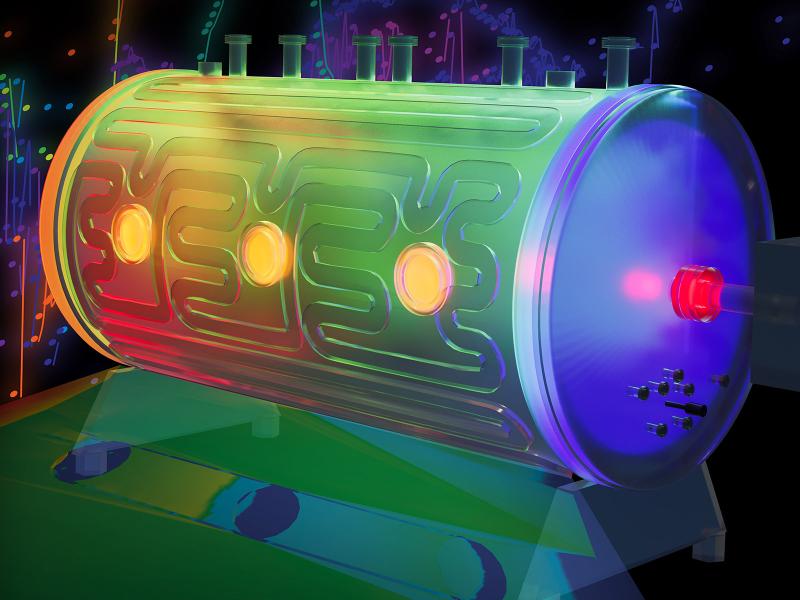
PNNL research, featured on the cover of two science journals, describes advancements in using Raman spectrometry for Hanford Site nuclear waste remediation.
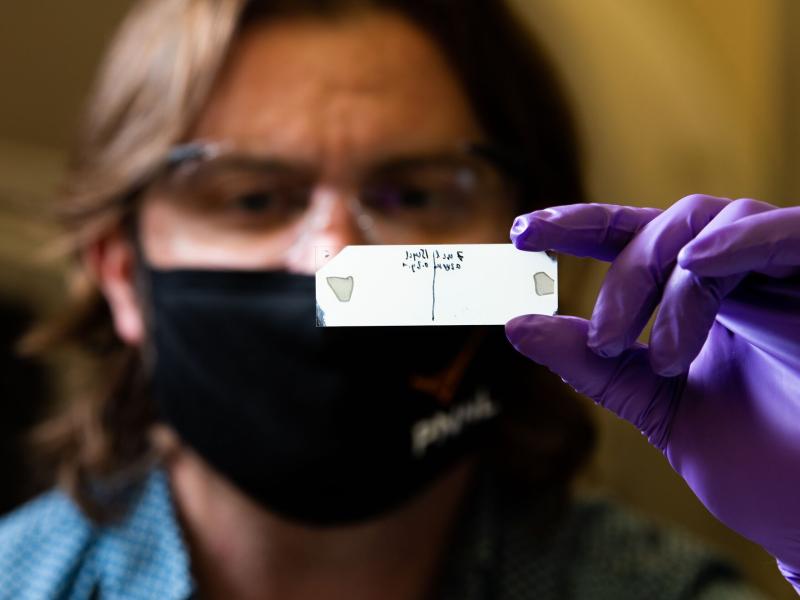
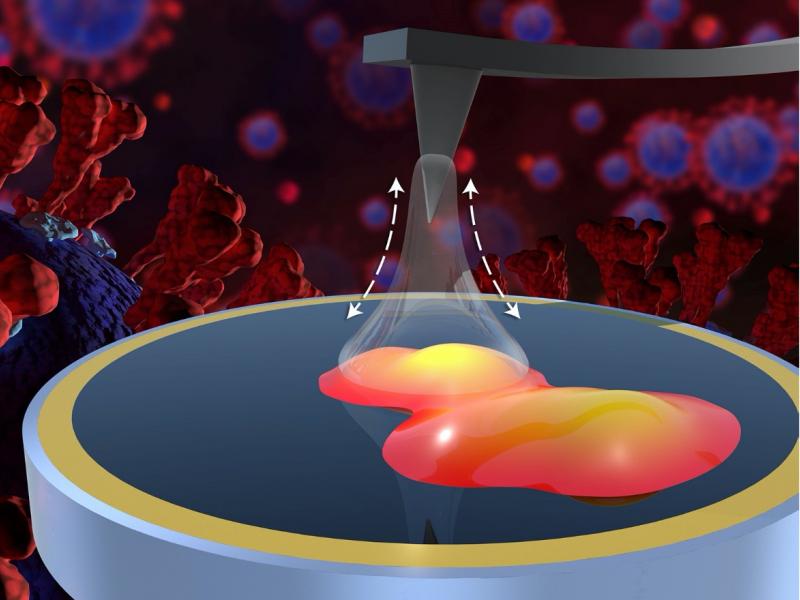
A multi-institutional team has obtained information about nanoscale interactions between the spike protein of the novel coronavirus SARS-CoV-2 and common household inorganic surfaces.