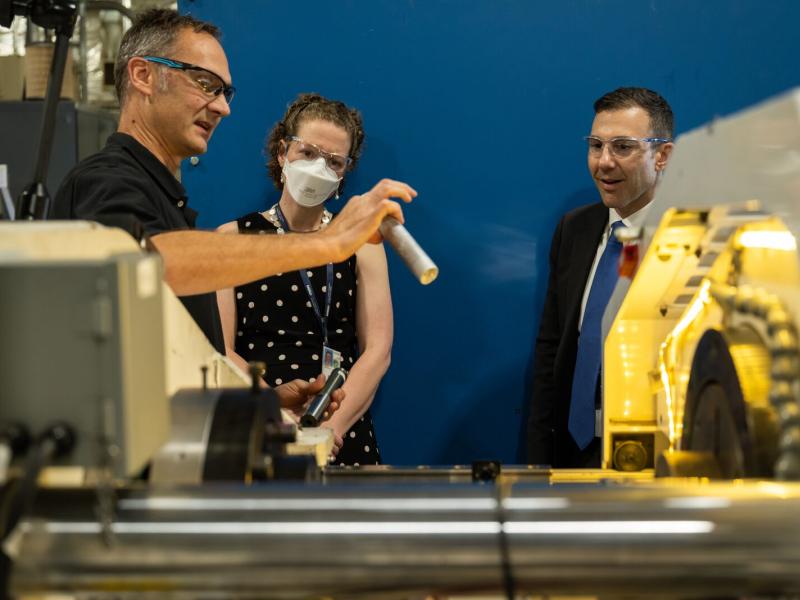
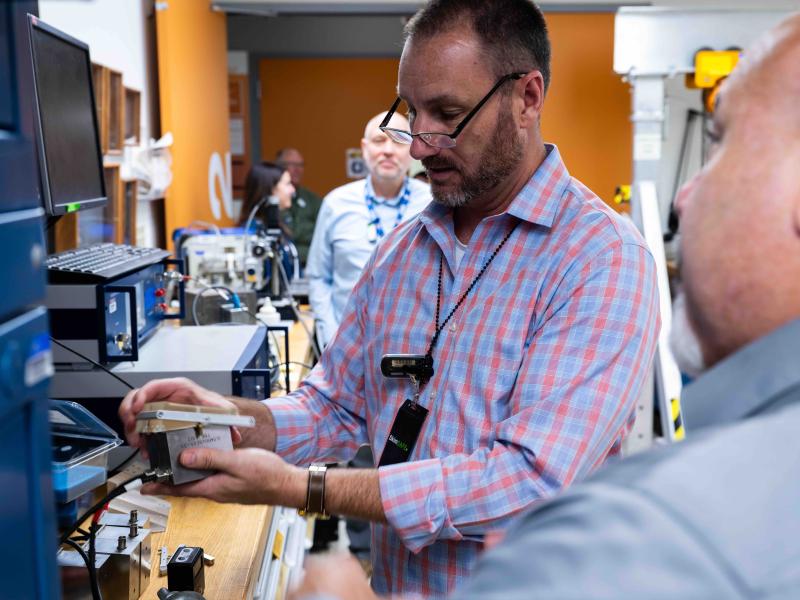
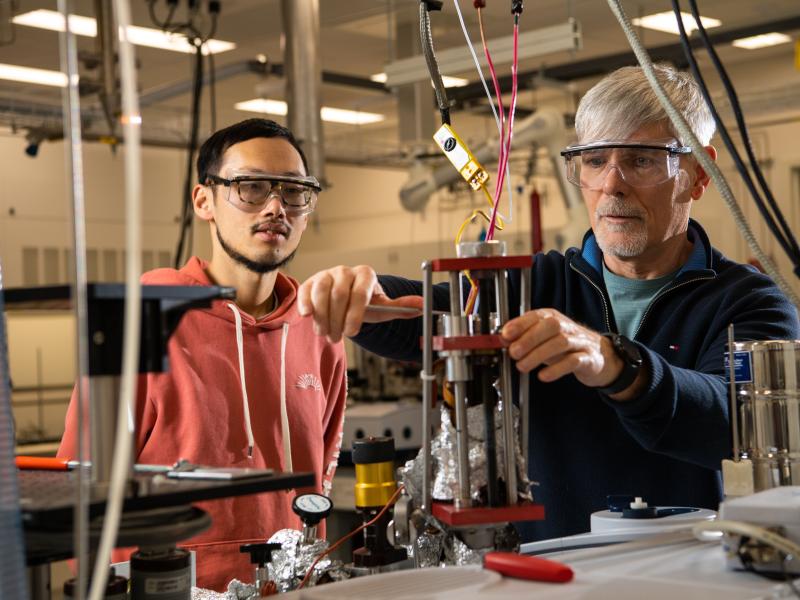
Leaders from the DOE Office of Energy Efficiency and Renewable Energy visited PNNL October 19–20 for a firsthand look at capabilities and research progress.
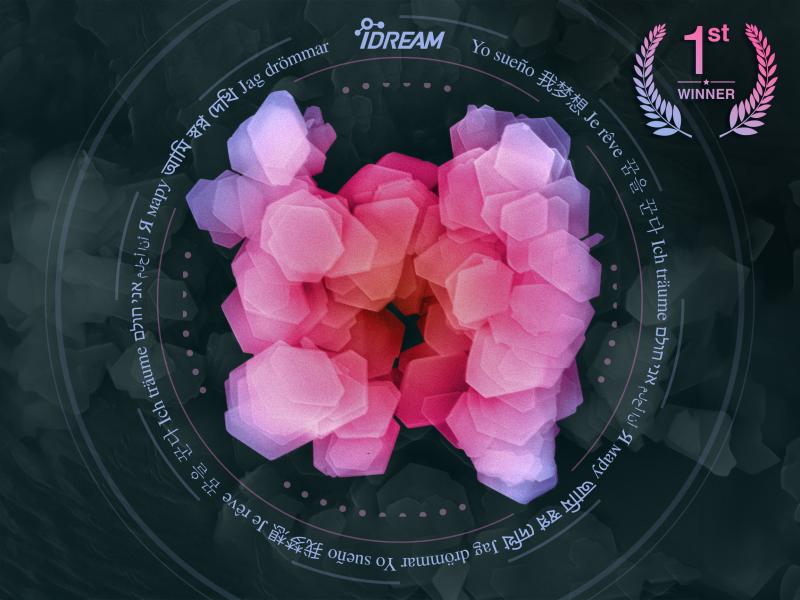
A poem inspired by radioactive tank waste—“Can a Scientist Dream it Alone?”—was awarded first place in the Department of Energy’s Poetry of Science Art Contest.
High fidelity simulations enabled by high-performance computing will allow for unprecedented predictive power of molecular level processes that are not amenable to experimental measurement.
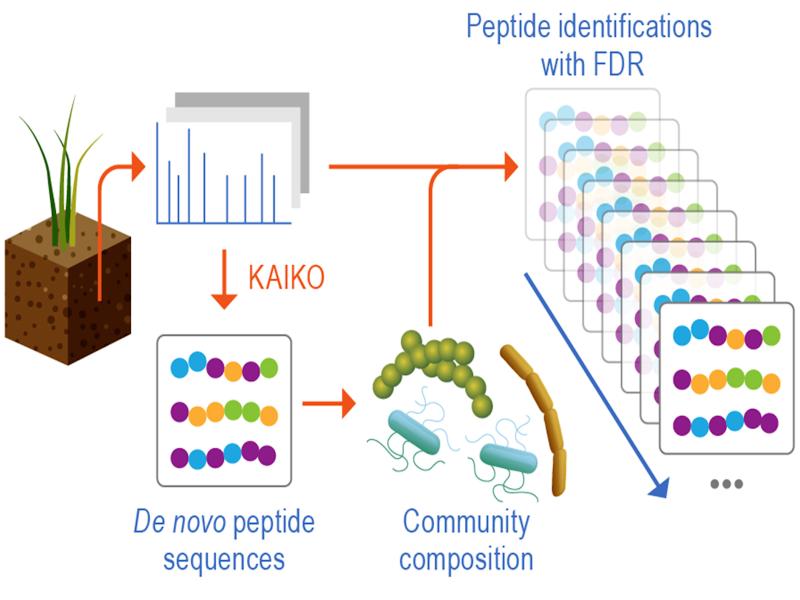
Scientists can now generate a protein database directly from proteomics data gathered from a specific soil sample using a digital tool and deep learning computer model called Kaiko.
Bradley Crowell with the U.S. Nuclear Regulatory Commission sees advanced materials integrity, radiological measurement, and environmental capabilities on his first visit to PNNL.
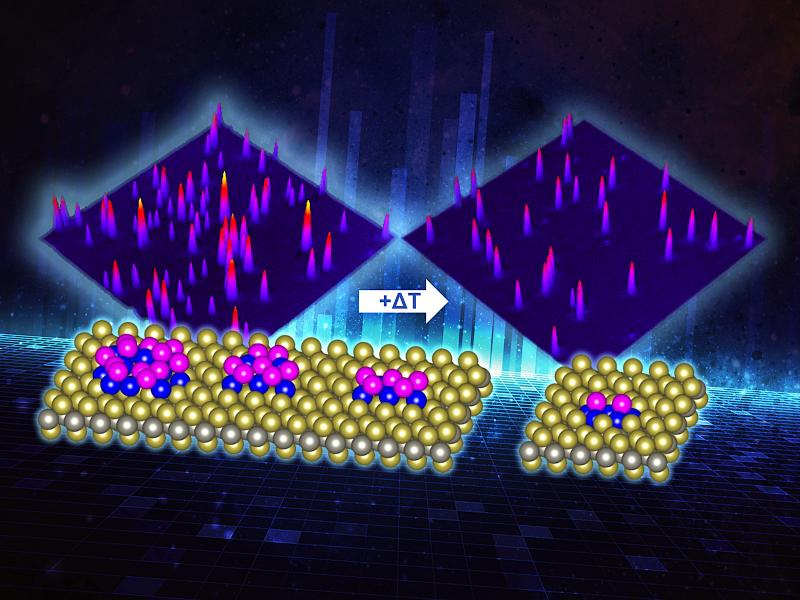
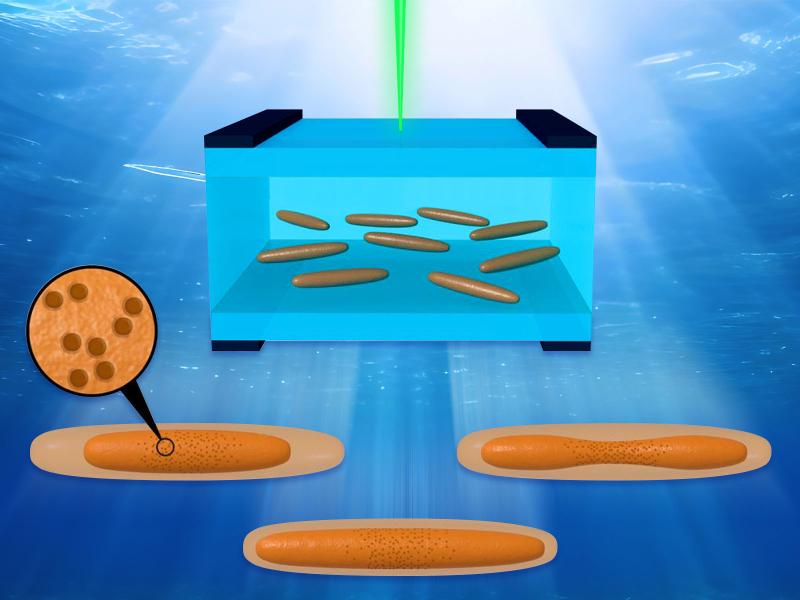
PNNL researchers demonstrated a simple method to create stable, identical nanoparticles of PdTe2-like composition, which is known to be superconducting, on a WTe2 TMD support.
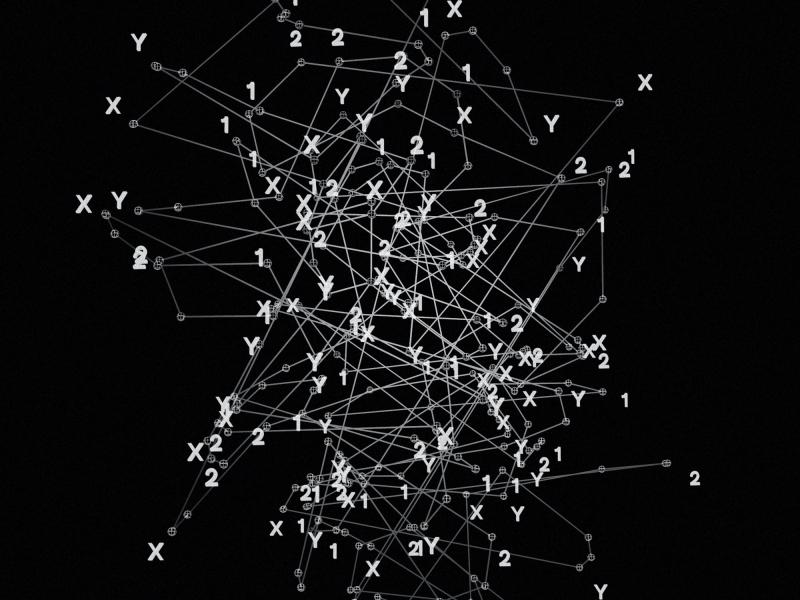
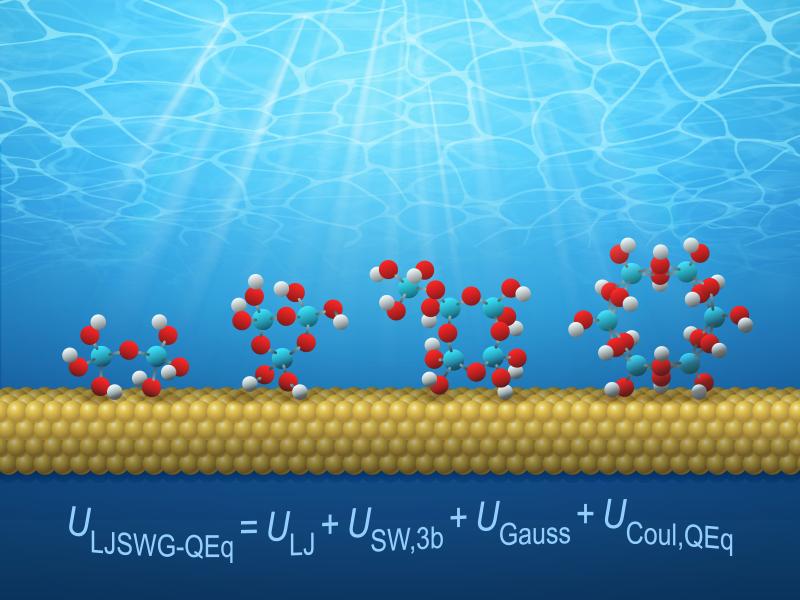
IDREAM research shows that keeping only the most important two- and three-body terms in reactive force fields can decrease computational cost by one order of magnitude, while preserving satisfactory accuracy.
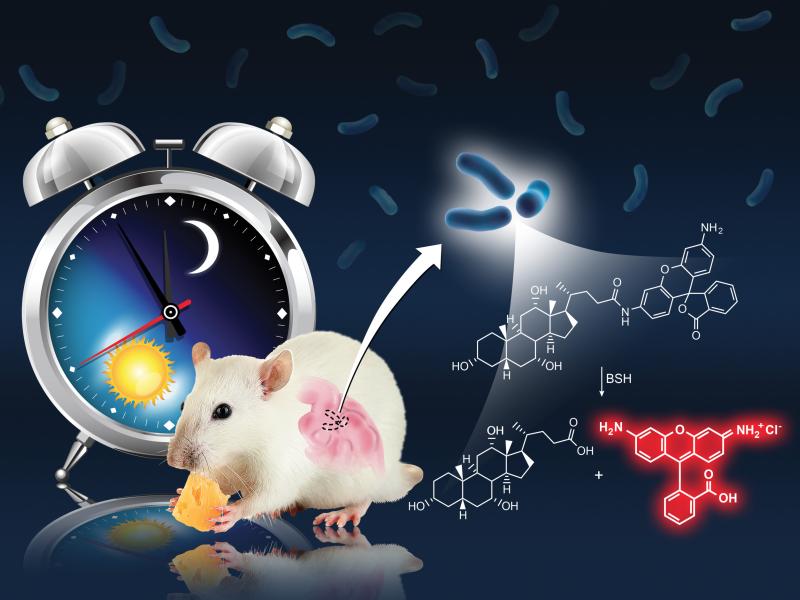
This study profiled the 24-hour rhythmicity in bile salt hydrolase enzyme activity using simple fluorescence assay and the results showed that this rhythmicity is influenced by feeding patterns of the host.
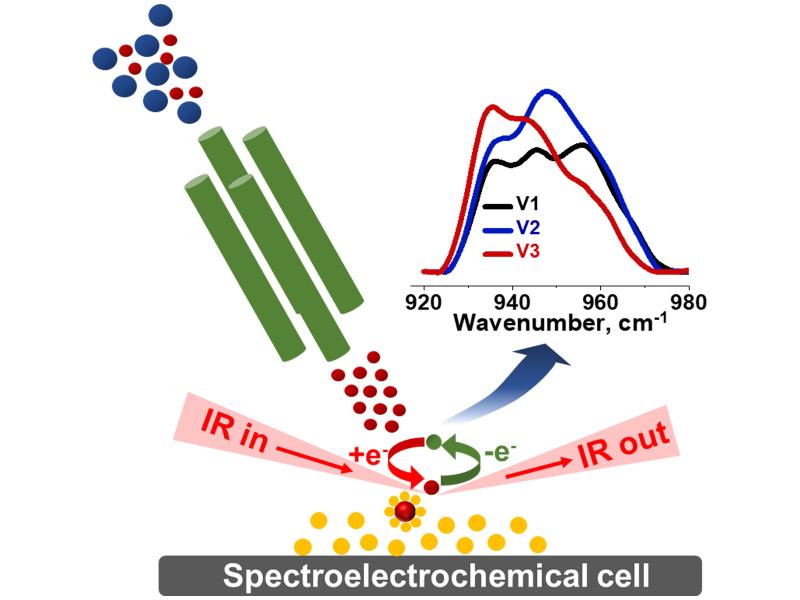
Highly precise and controllable single-atom catalysts are affected by reaction conditions, which can alter the bonding around the atoms and the activity.