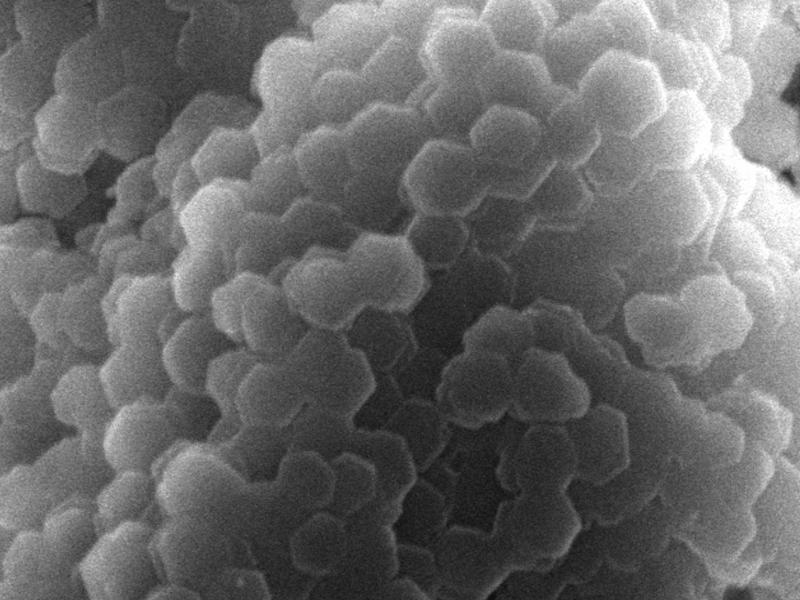
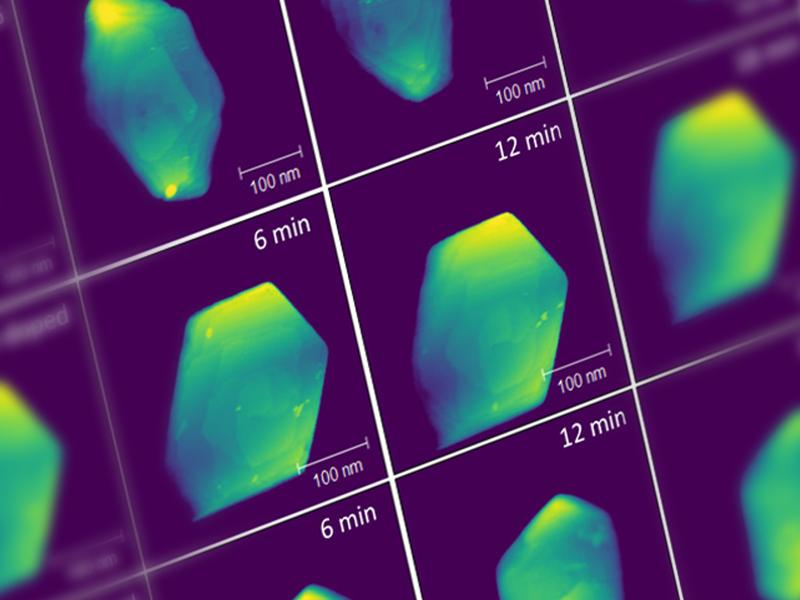
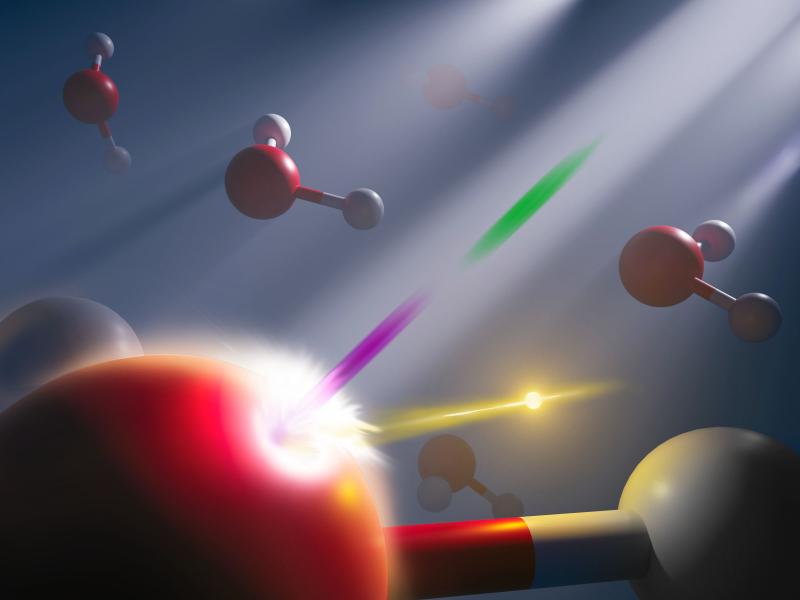
Using multiple specialized techniques, IDREAM researchers gained a better understanding of how trace impurities within gibbsite affect the hydrogen yield.
PNNL has developed a next-generation electrical resistivity tomography system for DOE that uses E4D software and AI-enhanced modeling to produce real-time subsurface images that help guide environmental remediation decisions.
Researchers found that in a future where the Great Plains are 4 to 6 degrees Celsius (°C) warmer as projected in a high-emission scenario, these storms could bring three times more intense rainfall.
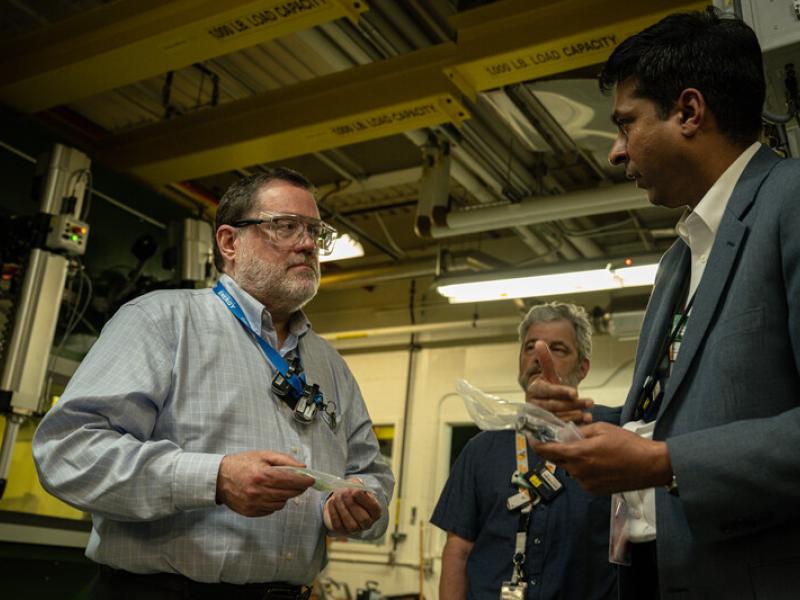
The Department of Energy Office of Nuclear Energy acting assistant secretary makes his first visit to a national laboratory in his new role, touring PNNL's Radiochemical Processing Laboratory.
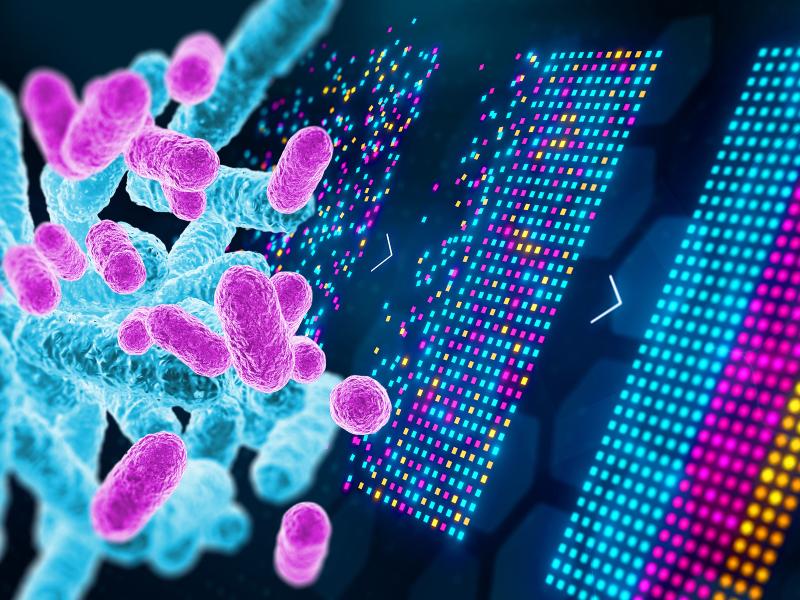
Research at PNNL and the University of Texas at El Paso are addressing computational challenges of thinking beyond the list and developing bioagent-agnostic signatures to assess threats.