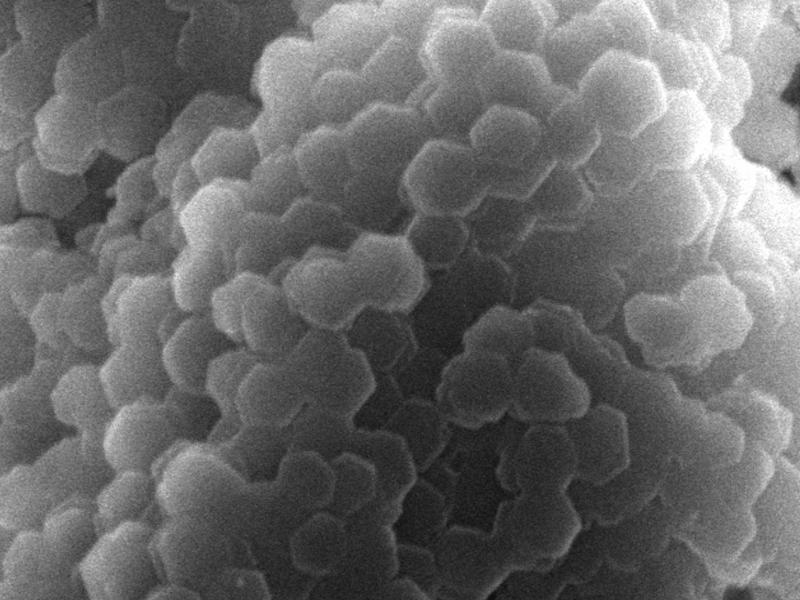
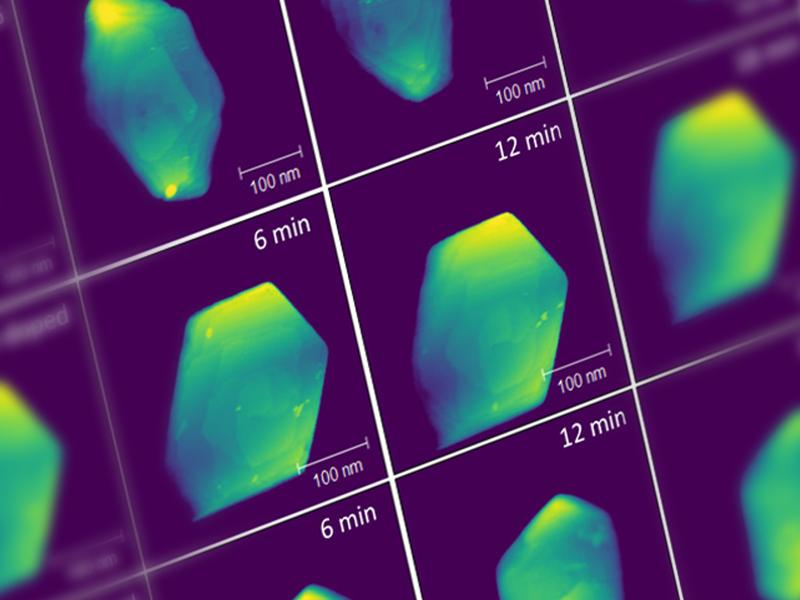
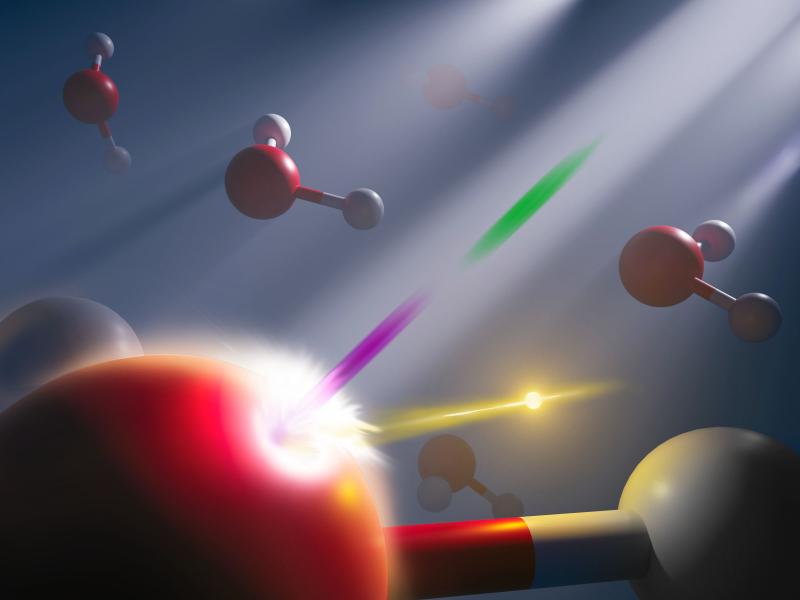
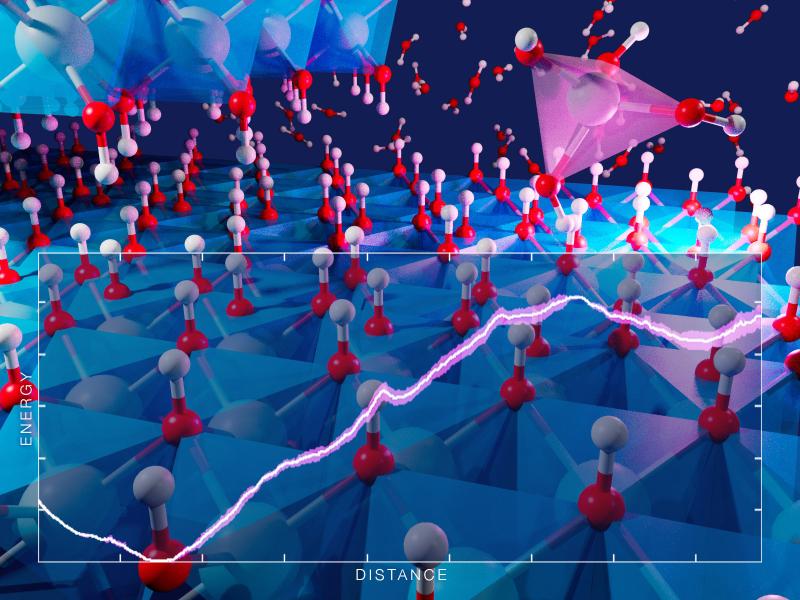
Using multiple specialized techniques, IDREAM researchers gained a better understanding of how trace impurities within gibbsite affect the hydrogen yield.
A team from PNNL joined the Department of Homeland Security Science and Technology Directorate and first responders from across the country to evaluate commercially available unmanned ground vehicles for emergency response.
Researchers at PNNL share a research- and practitioner-informed approach to assess the threat landscape, elicit and integrate feedback into solutions, and ultimately share outcomes with the emergency response and public safety community.
Two new publications provide emergency response agencies with critical insights into commercially available unmanned ground vehicles used for hazardous materials response.
A team from PNNL contributed several articles to the Domestic Preparedness Journal showcasing recent efforts to explore the emergency management and artificial intelligence research and development landscape.
PNNL has developed a decision tool that provides contractors and installers with the information they need to properly select and install cold climate heat pumps, which are a key technology for achieving decarbonization.
PNNL advisors joined a panel of Washington State emergency management personnel to discuss how partnerships with national laboratories are enabling science and technology solutions.
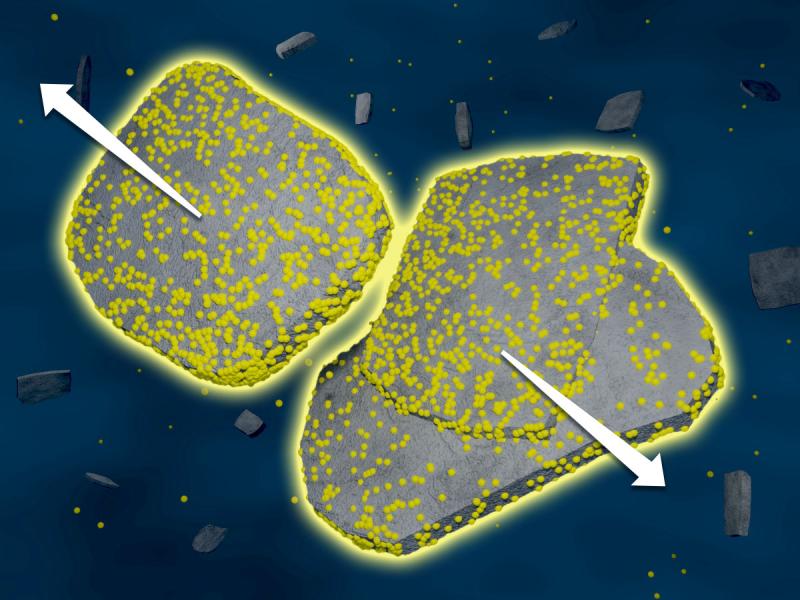
Researchers investigated how stable nanoparticle suspensions form using facet engineering on hematite nanoparticles, demonstrating that controlling the faceting of nanoparticles can effectively maintain particle dispersity.