PNNL has developed a next-generation electrical resistivity tomography system for DOE that uses E4D software and AI-enhanced modeling to produce real-time subsurface images that help guide environmental remediation decisions.
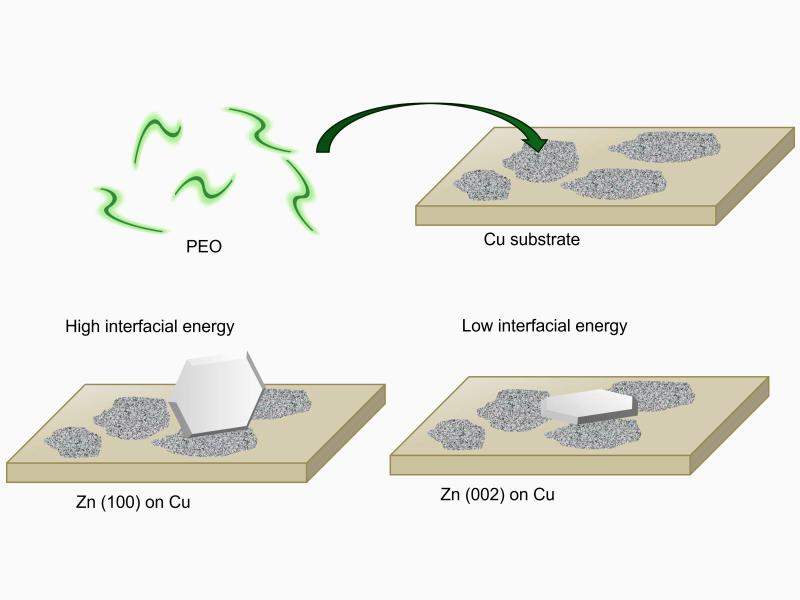
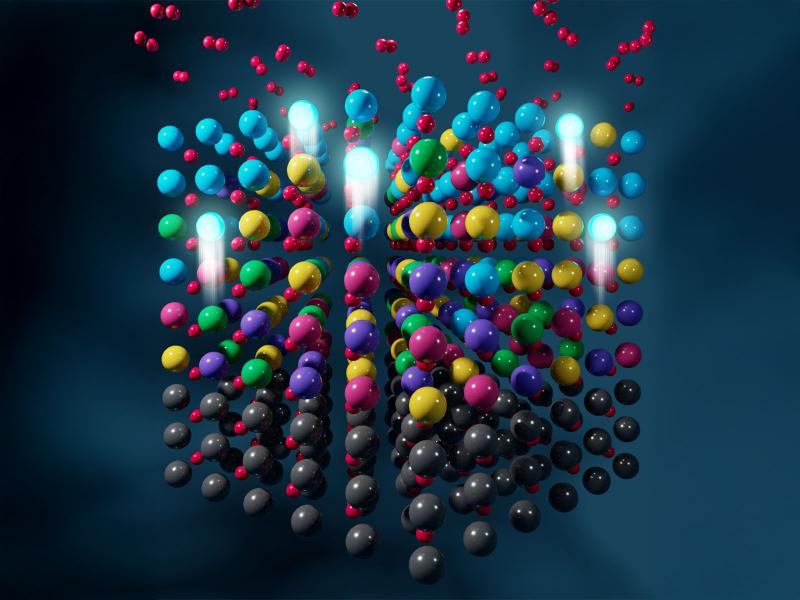
Researchers discovered that a polymer additive promotes smooth, layer-by-layer deposition on metal electrodes by tuning interactions with the substrate.
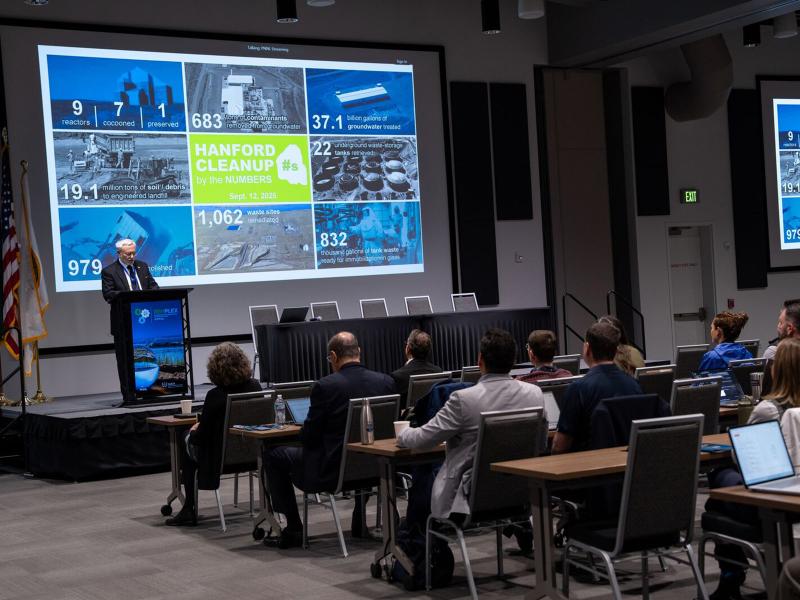
RemPlex 2025 Global Summit on Environmental Remediation attendees share knowledge about cleanup and monitoring of complex sites worldwide; more than 100 presentations are posted online.
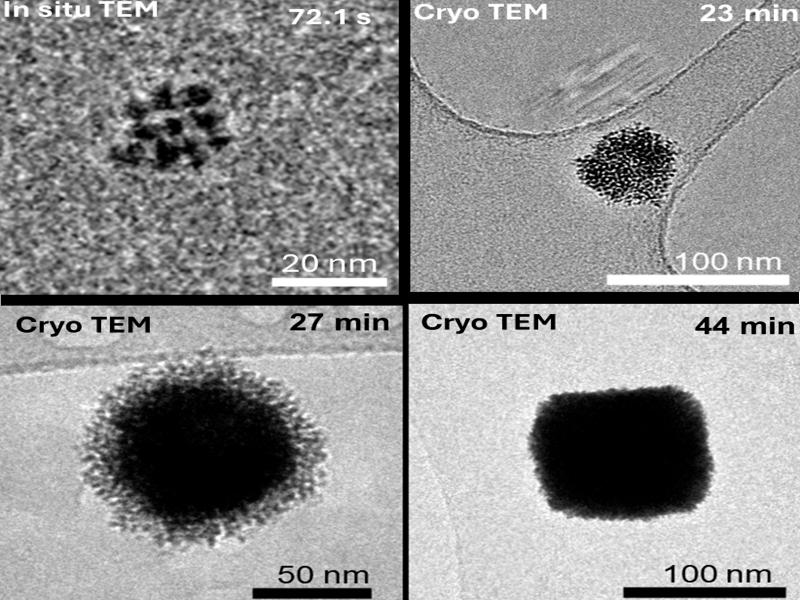
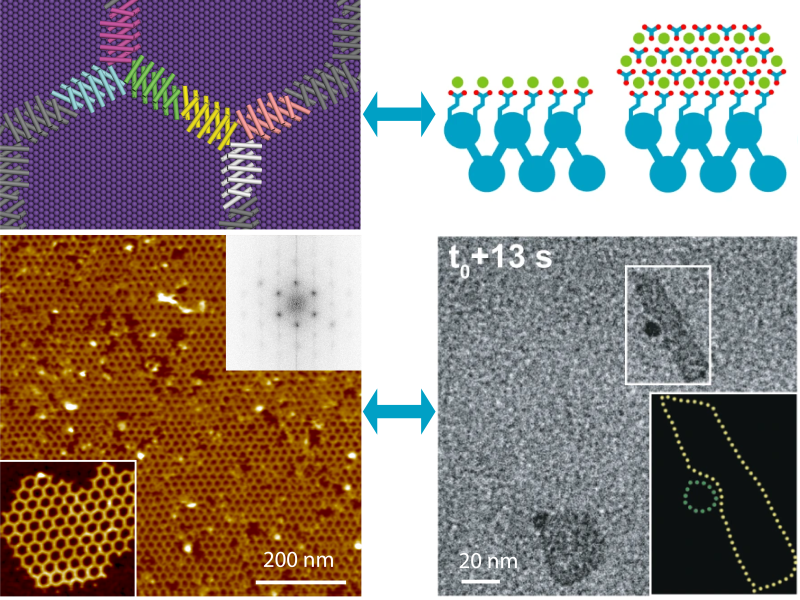
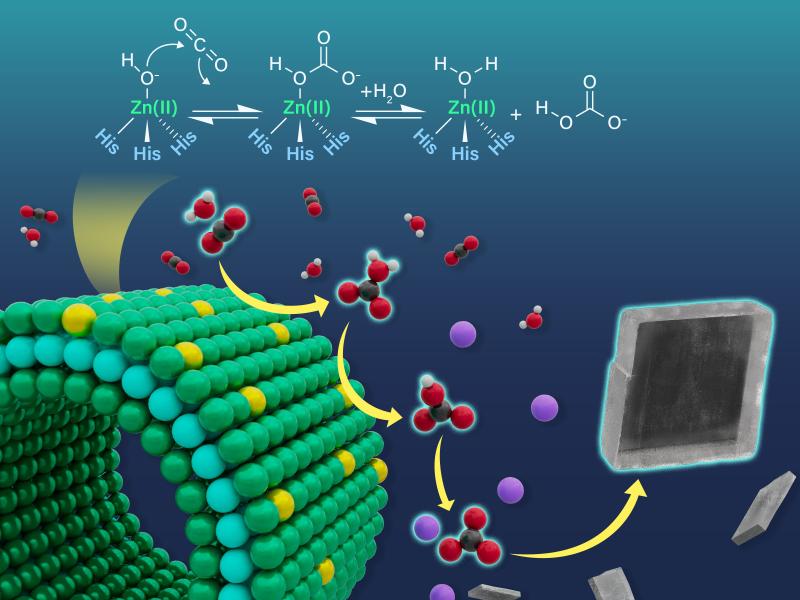
Summarizing the state of designed protein hybrid materials, researchers celebrate both the 50th anniversary of the MRS Bulletin and the 2025 Fred Kavli Distinguished Lecturers in Materials Science, Jim De Yoreo and David Baker.
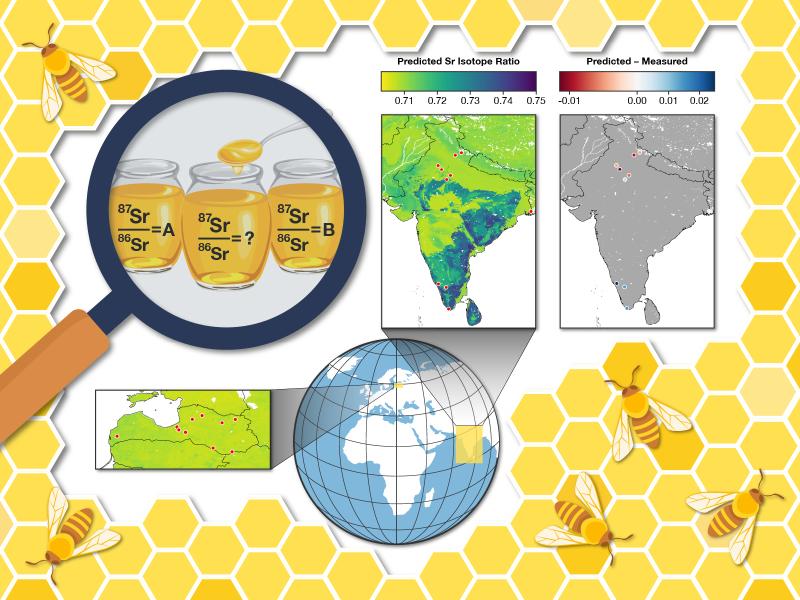
A study by researchers at PNNL assessed the feasibility of using strontium isotope ratios and an existing machine learning–based model to predict and verify a product’s source—in this case, honey.
In the latest issue of the Domestic Preparedness Journal, Ashley Bradley and Kristin Omberg share how new research is shedding light on the scientific and technological challenges with detecting fentanyl.