PNNL has developed a next-generation electrical resistivity tomography system for DOE that uses E4D software and AI-enhanced modeling to produce real-time subsurface images that help guide environmental remediation decisions.
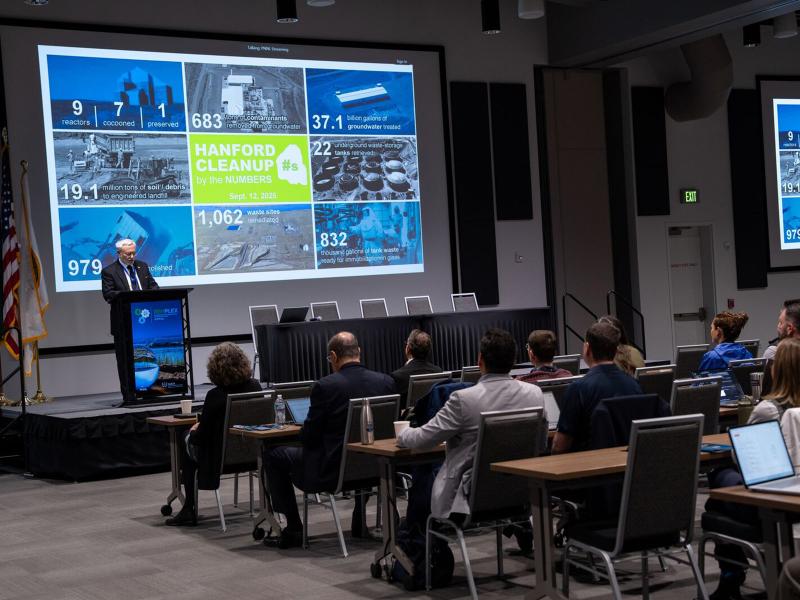
RemPlex 2025 Global Summit on Environmental Remediation attendees share knowledge about cleanup and monitoring of complex sites worldwide; more than 100 presentations are posted online.
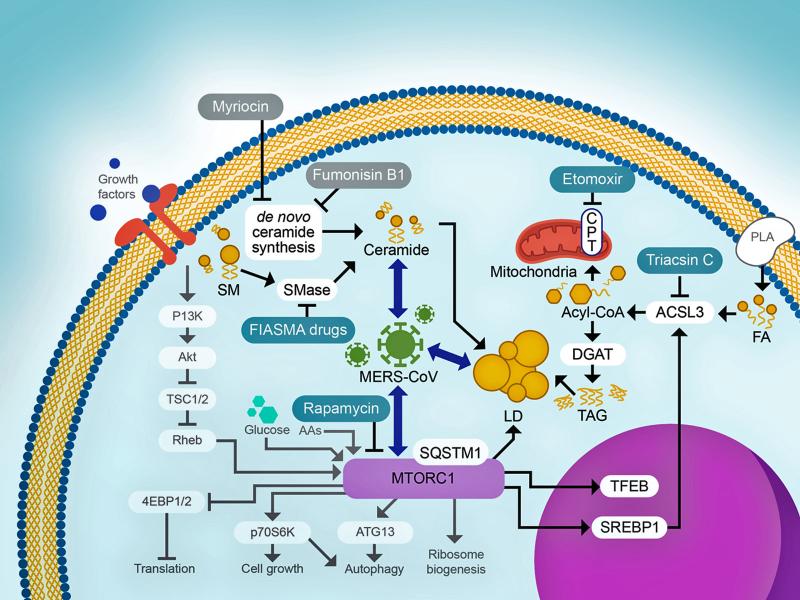
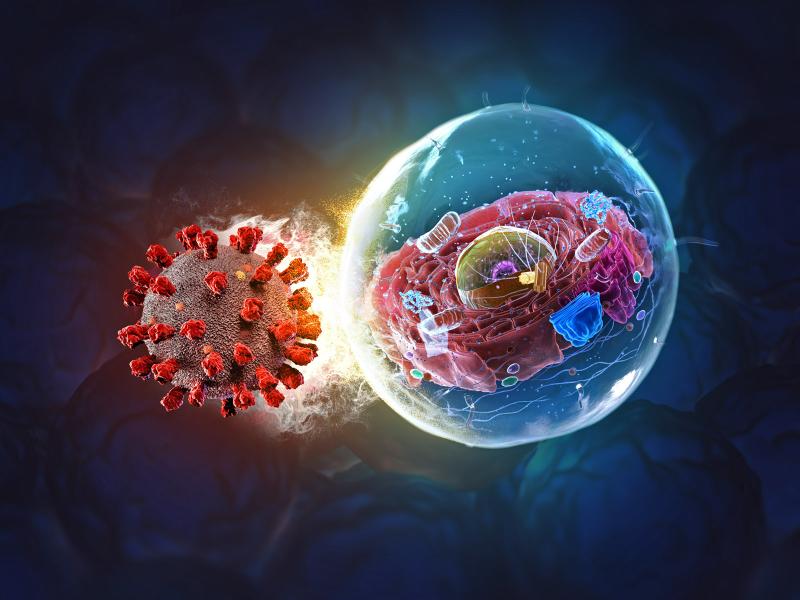
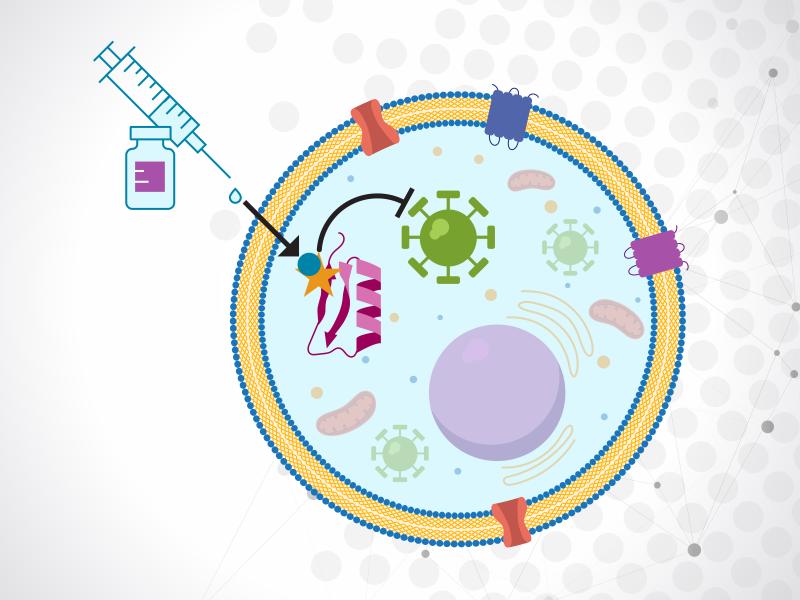
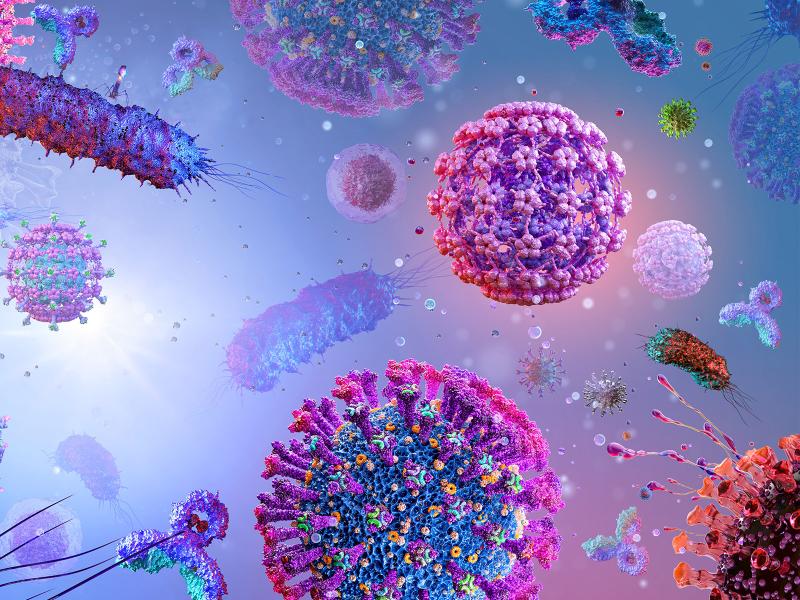
Continued studies will deepen scientists’ understanding of virus-host interactions at the molecular level and also pave the way for developing better drugs to fight emerging viruses.
Early life exposure to polycyclic aromatic hydrocarbons (PAHs), found in smoke, has been linked to developmental problems. To study the impacts of these pollutants, PAH metabolism in infants and adults were compared.
A team of researchers from Pacific Northwest National Laboratory and the Environmental Molecular Sciences Laboratory developed a new and flexible software tool called “Advanced Spectra PCA Toolbox.”
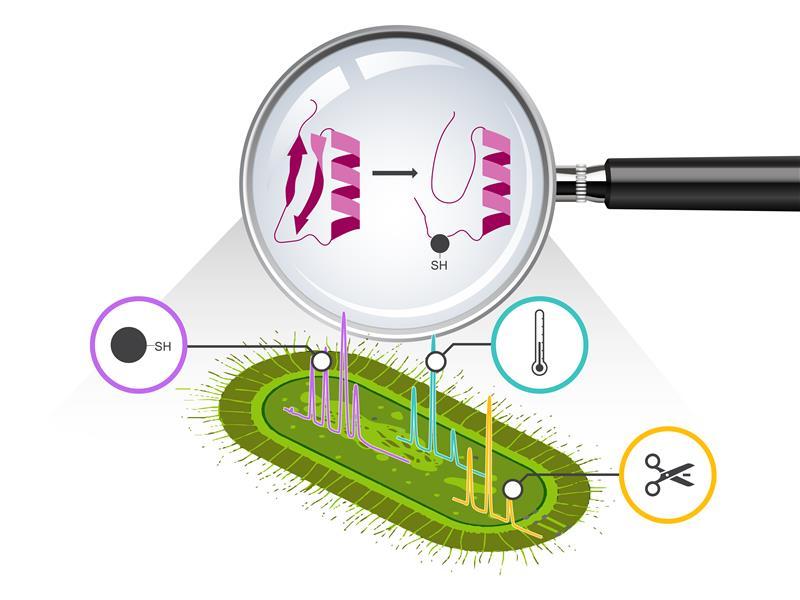
Discovering and measuring the spatial organization of proteins within cells allows scientists to map complex proteoforms across tissues with near-cellular resolution.
PNNL’s Center for the Remediation of Complex Sites convened attendees from around the world to discuss challenges associated with environmental contamination.