Replacing commercial acid with acidic waste enables researchers to improve nickel extraction efficiency, lower projected costs, and improve process economics.
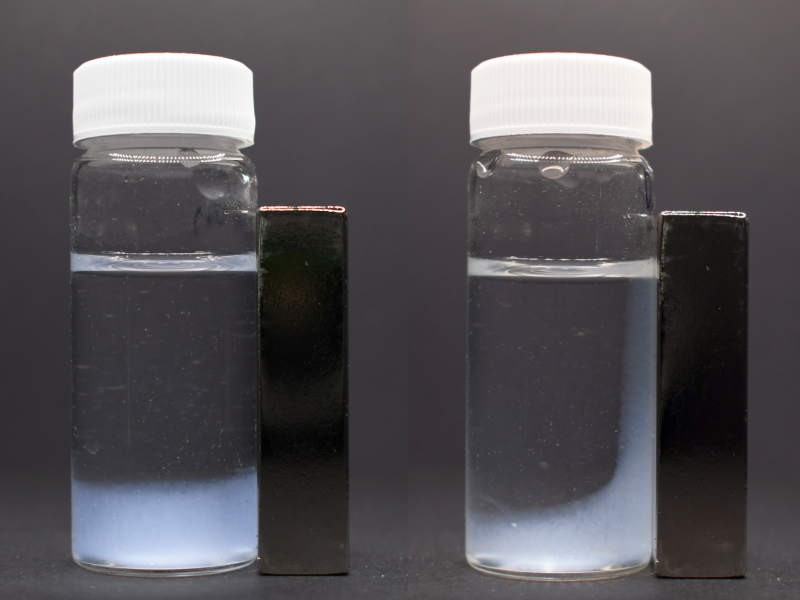
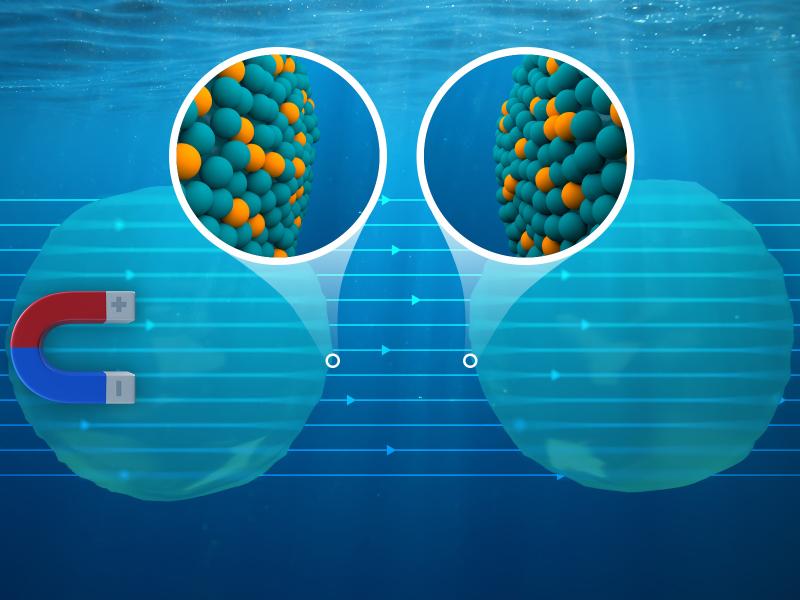
Localized gradients in magnetic fields have long-range effects on the concentration of rare earth ions in solution, facilitating field-driven extraction of critical minerals.
From developing new energy storage materials to revealing patterns of Earth’s complex systems, studies led by PNNL researchers are recognized for their innovation and influence.
Nanoscale domains of magnetically susceptible critical materials encounter enhanced magnetic interactions under external magnetic fields, providing a promising new avenue for separations.
PNNL's E-COMP initiative is helping unleash American energy innovation with advanced theories, models, and software tools to better operate power systems that rely heavily on high-speed power electronic control.
A PNNL team has developed an energy- and chemical-efficient method of separating valuable critical minerals from dissolved solutions of rare earth element magnets.
PNNL researchers are exploring the kinds of flicker waveforms that the eye and brain can detect, seeking to understand the different visual and non-visual effects that result.
The surface oxygen functionality of graphene oxide may be tuned using ultraviolet light, affecting how differently charged ions move through the material.
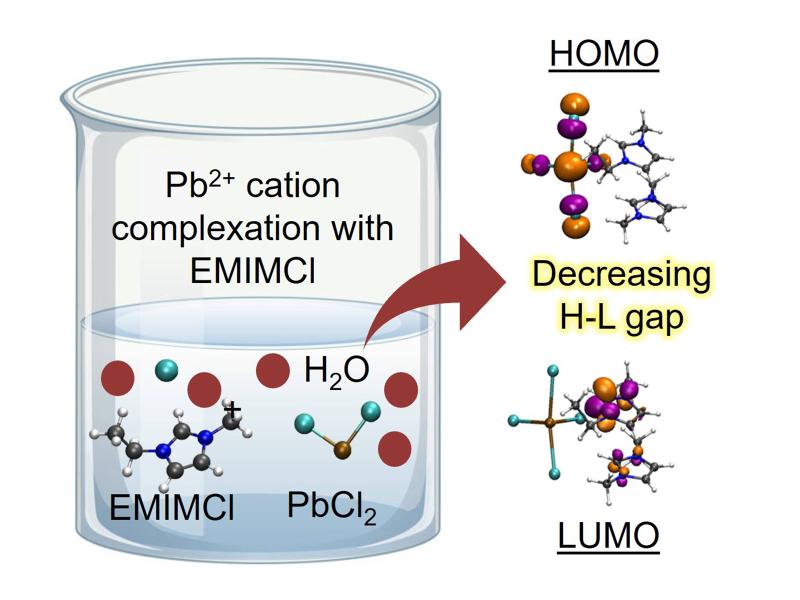
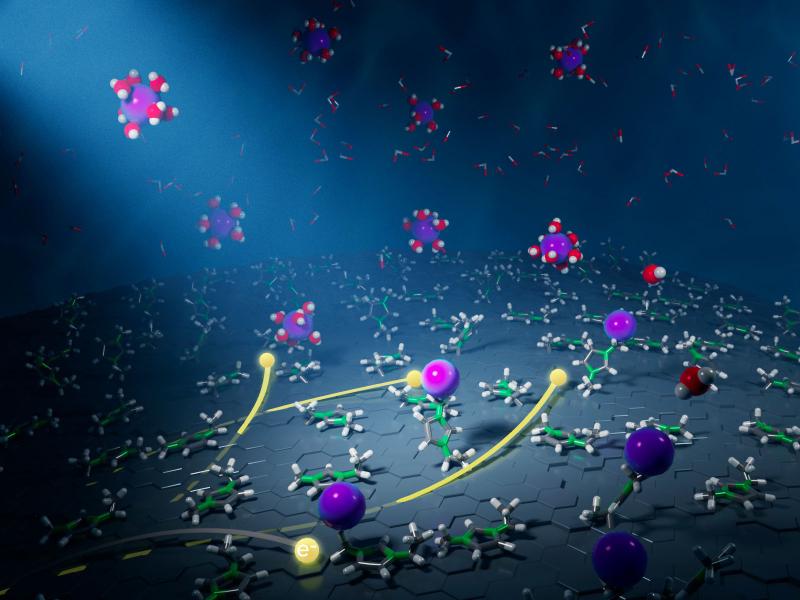
Practical decontamination of industrial wastewater depends on energy-efficient separations. This study explored using ionic liquids as part of the process, enabling efficient electrochemical separation from aqueous solutions.
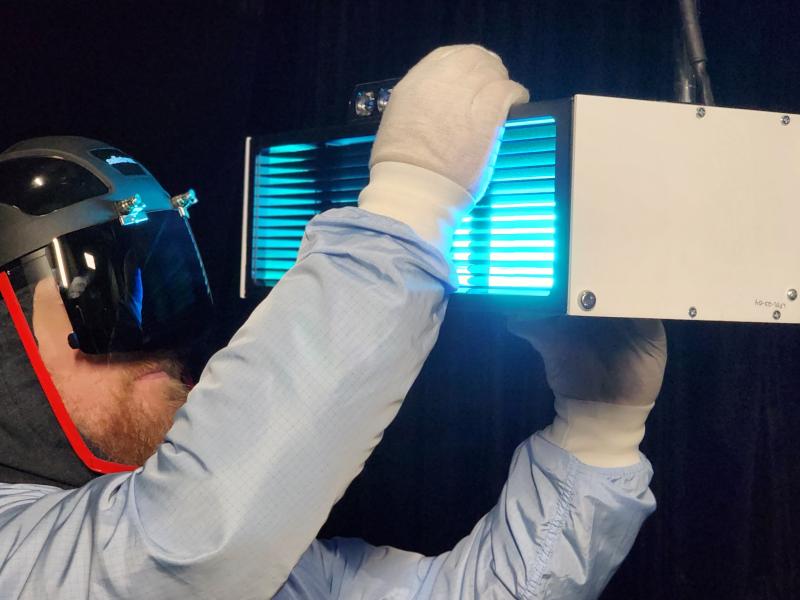
GUV can reduce transmission of airborne disease while reducing energy use and carbon emissions. But fulfilling that promise depends on having accurate and verifiable performance data.
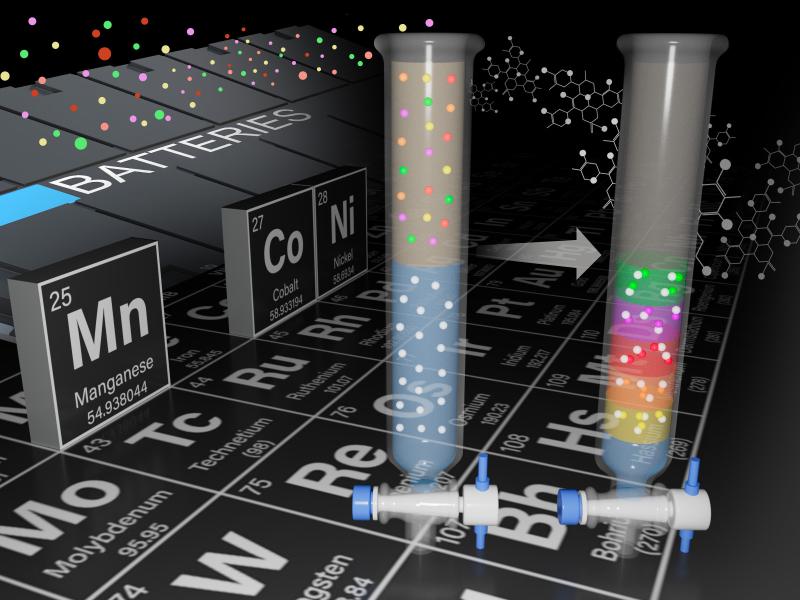
A simple gel-based system separates metals ions from a model solution of dissolved battery electrodes without the need for specialty chemicals, membranes, or toxic solvents.
Mandy Mahoney, director of the DOE Building Technologies Office, visited PNNL in late November. One key agenda item involved meeting with staff for a discussion of effective equity and justice integration in buildings-related research.
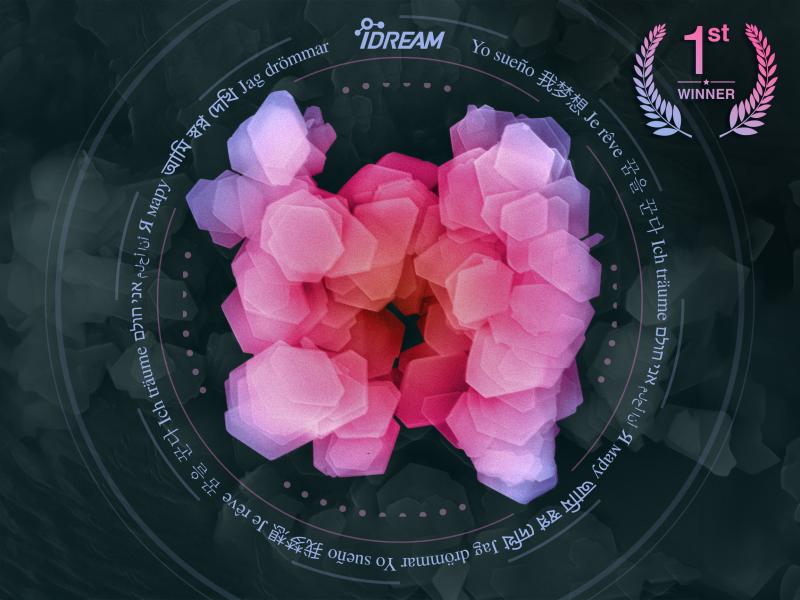
A poem inspired by radioactive tank waste—“Can a Scientist Dream it Alone?”—was awarded first place in the Department of Energy’s Poetry of Science Art Contest.