Scientists uncovered the molecular basis of nitric acid speciation across dilute and concentrated solutions and identified competing hydration-shell rearrangements around lanthanide ions at the dilute limit.
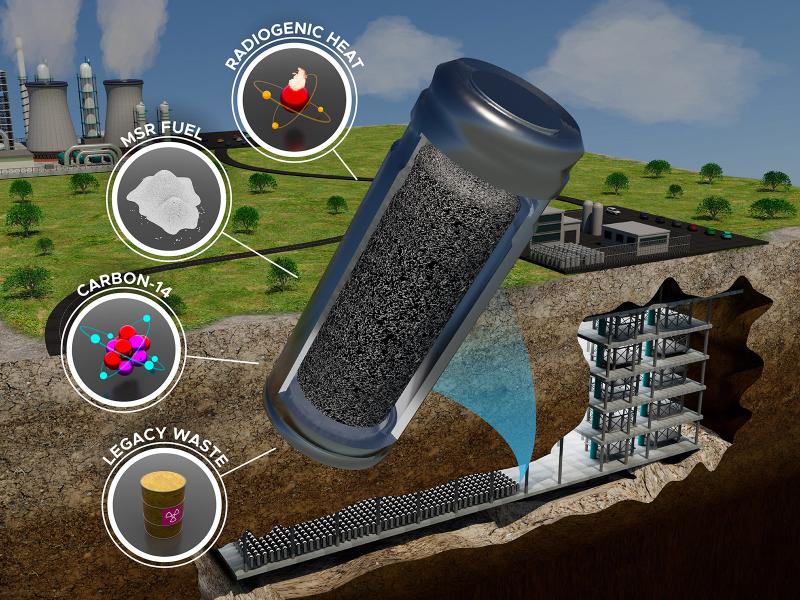
The Iowa Nuclear Energy Task Force, chaired by PNNL’s Mark Nutt, evaluated the state’s potential nuclear future including emerging technologies, workforce needs, waste management, and economic growth opportunities.
Delivering an integrated quantum-mechanical and experimental perspective on the effects of both intrinsic and externally applied electric fields at atomic-scale interfaces.
The first measurement of the proton diffusion constant at cryogenic temperatures provides insights into the mechanism of proton movement in supercooled water.
Early life exposure to polycyclic aromatic hydrocarbons (PAHs), found in smoke, has been linked to developmental problems. To study the impacts of these pollutants, PAH metabolism in infants and adults were compared.
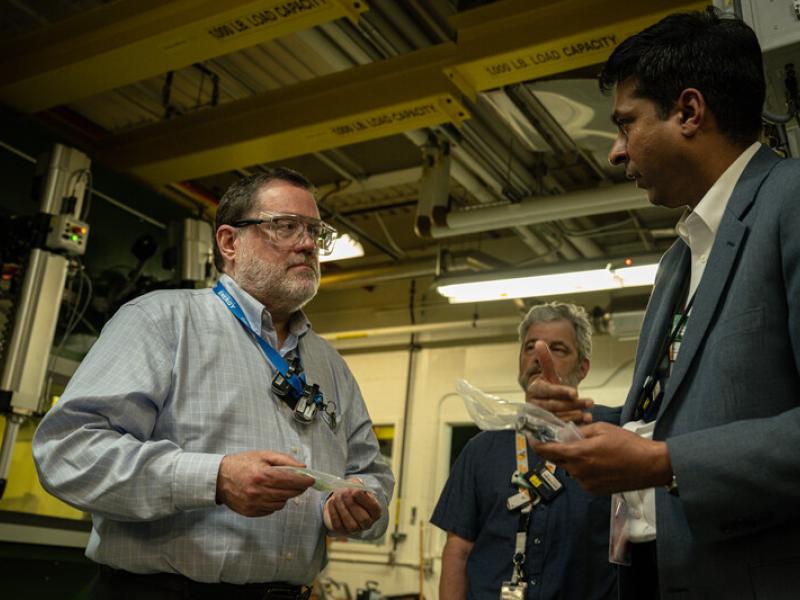
The Department of Energy Office of Nuclear Energy acting assistant secretary makes his first visit to a national laboratory in his new role, touring PNNL's Radiochemical Processing Laboratory.
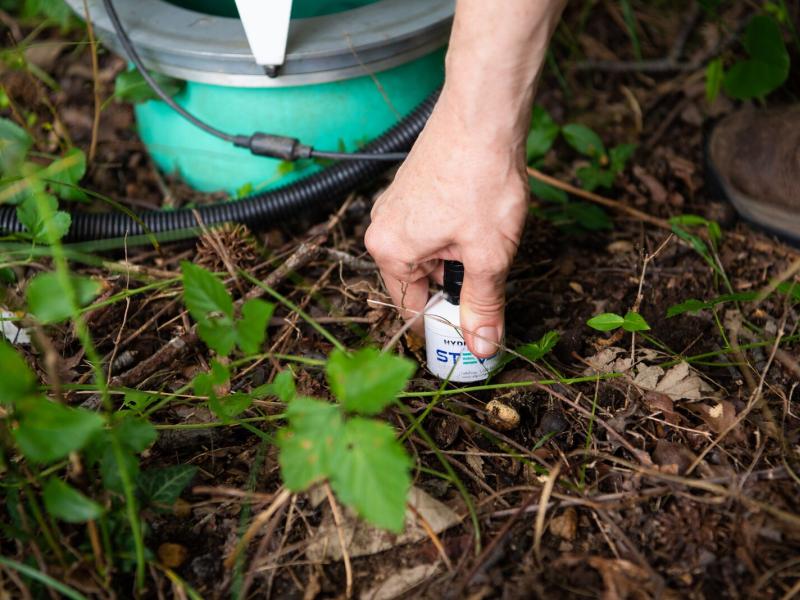
Researchers used a combination of sophisticated laboratory incubations and field measurements to determine the role of microbial production and consumption of methane in soils with different exposure to tidal inundation
Researchers investigated how stable nanoparticle suspensions form using facet engineering on hematite nanoparticles, demonstrating that controlling the faceting of nanoparticles can effectively maintain particle dispersity.
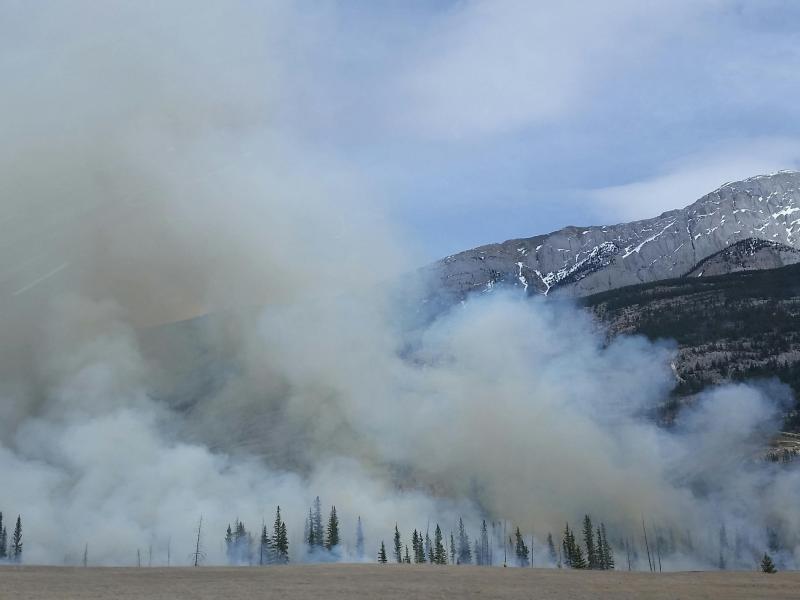
Researchers devised a quantitative and predictive understanding of the cloud chemistry of biomass-burning organic gases helping increase the understanding of wildfires.





![Image of the [4Fe-4S] cluster.](/sites/default/files/styles/thumbnail/public/media/image/Raugei%2C%20hero.jpg?h=08b866d1&itok=EJ1D9uUX)