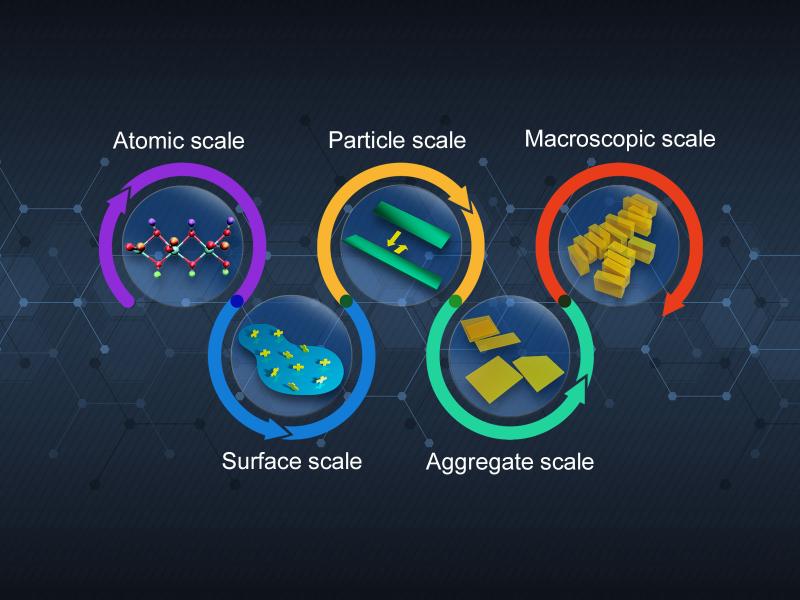
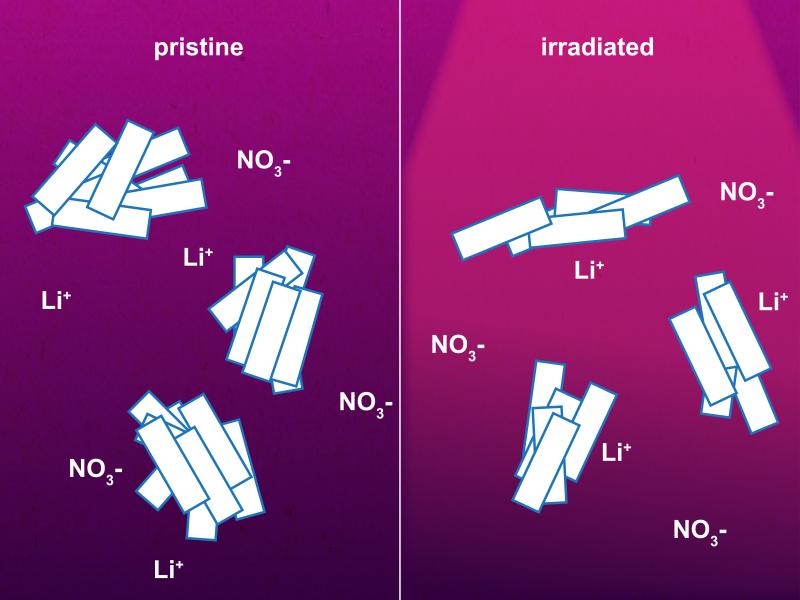
Resolving how nanoparticles come together is important for industry and environmental remediation. New work predicts nanoparticle aggregation behavior across a wide range of scales for the first time.
A team of researchers from PNNL provided technical knowledge and support to test a suite of techniques that detect genetically modified bacteria, viruses, and cells.
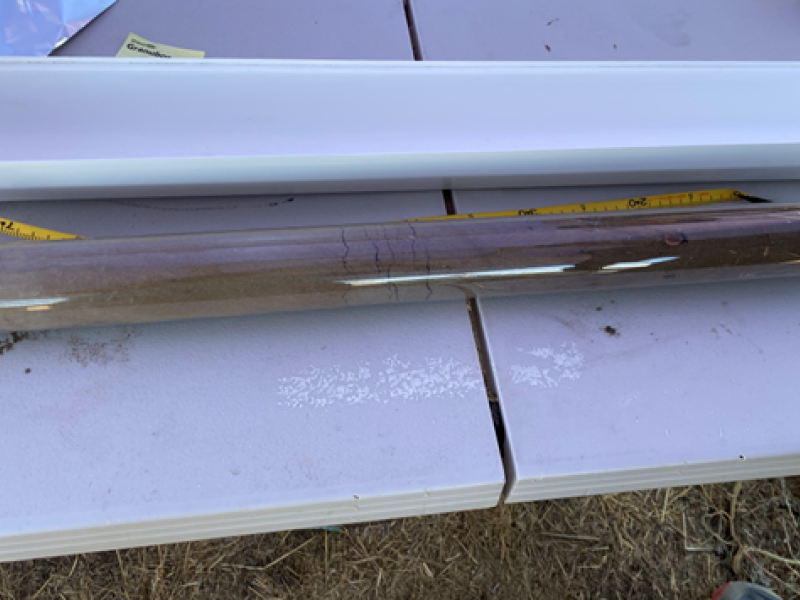
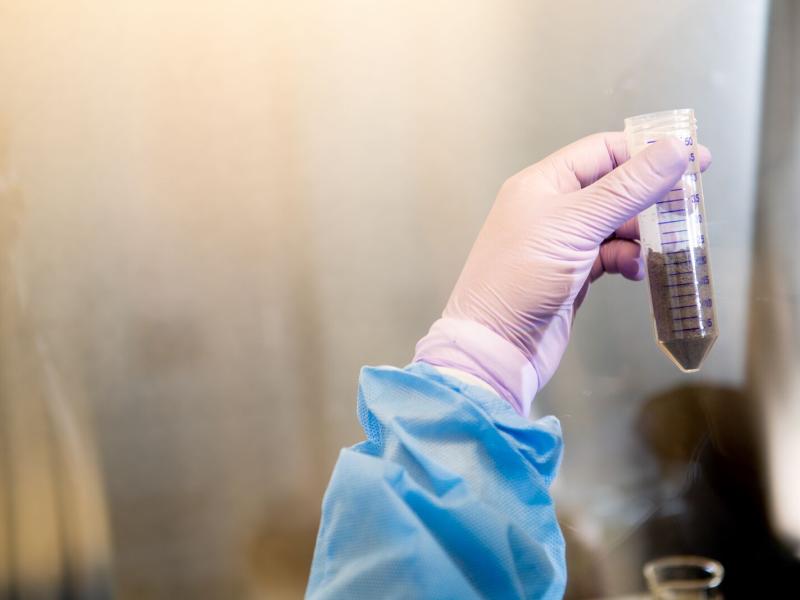
Soil is a massive reservoir of carbon, holding three times the amount of carbon than in the atmosphere. Soil is a massive reservoir of carbon, holding three times the amount of carbon than in the atmosphere.
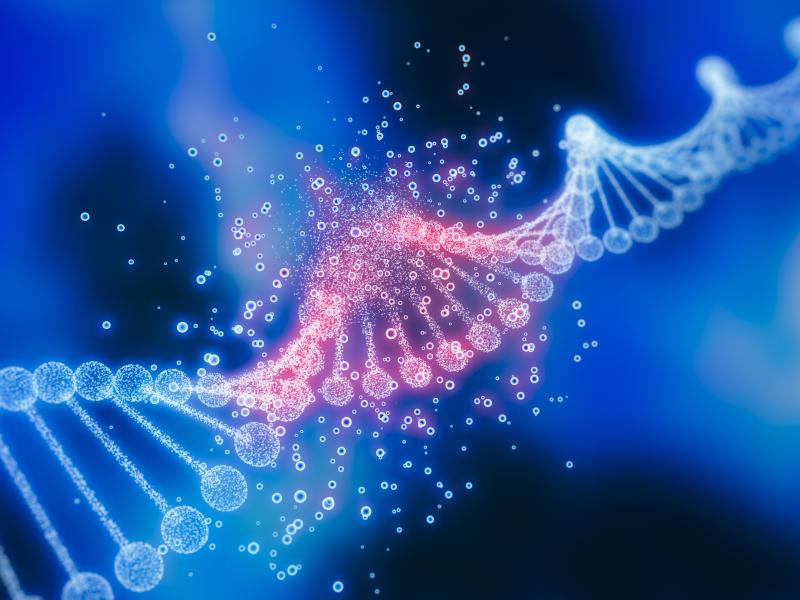
High fidelity simulations enabled by high-performance computing will allow for unprecedented predictive power of molecular level processes that are not amenable to experimental measurement.
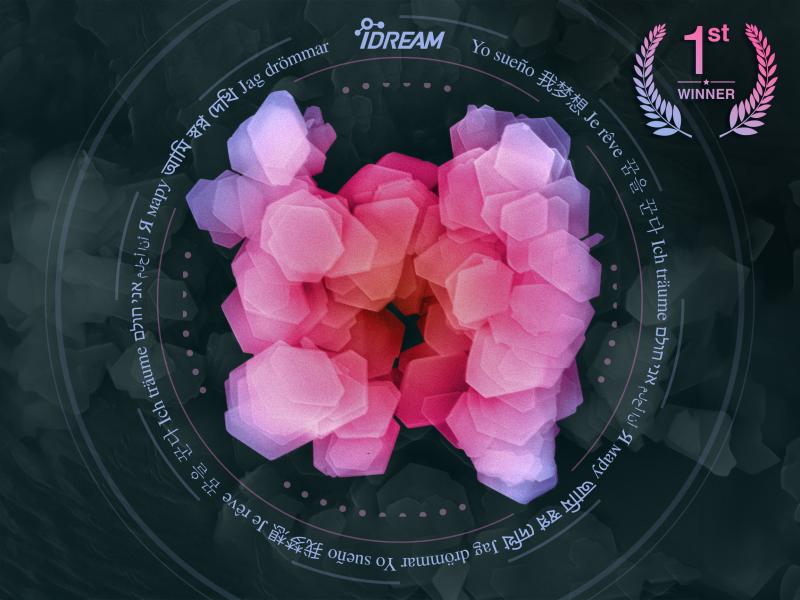
A poem inspired by radioactive tank waste—“Can a Scientist Dream it Alone?”—was awarded first place in the Department of Energy’s Poetry of Science Art Contest.
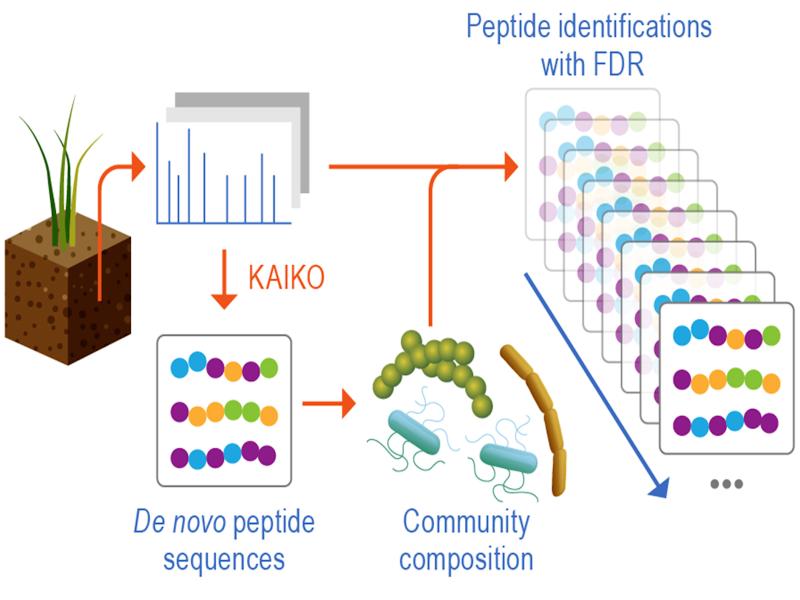
Scientists can now generate a protein database directly from proteomics data gathered from a specific soil sample using a digital tool and deep learning computer model called Kaiko.
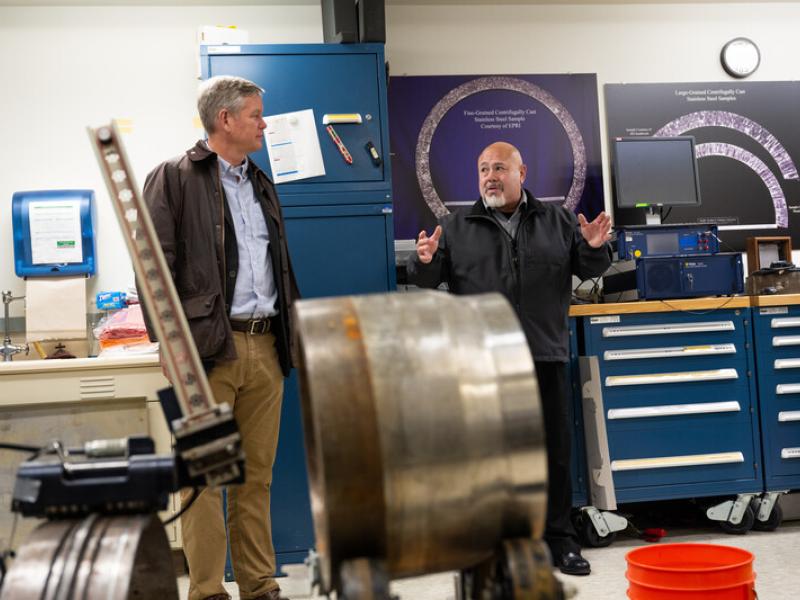
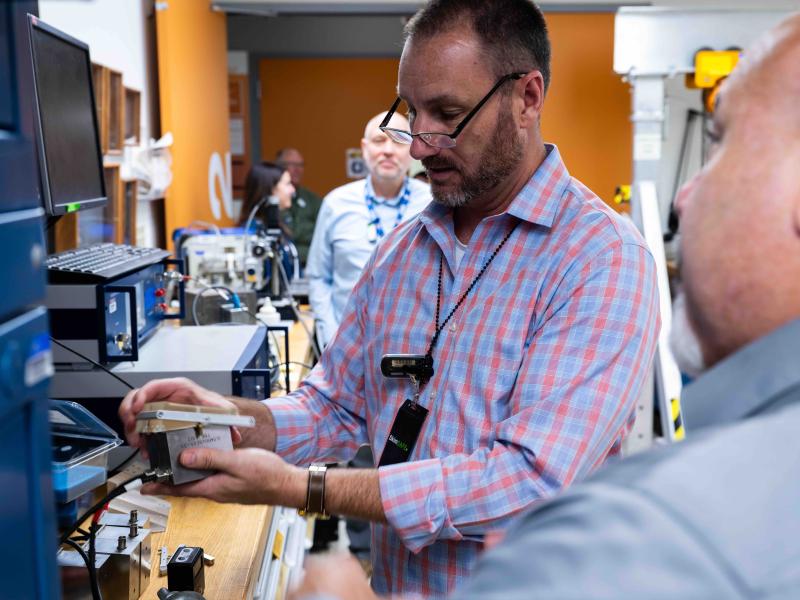
Bradley Crowell with the U.S. Nuclear Regulatory Commission sees advanced materials integrity, radiological measurement, and environmental capabilities on his first visit to PNNL.
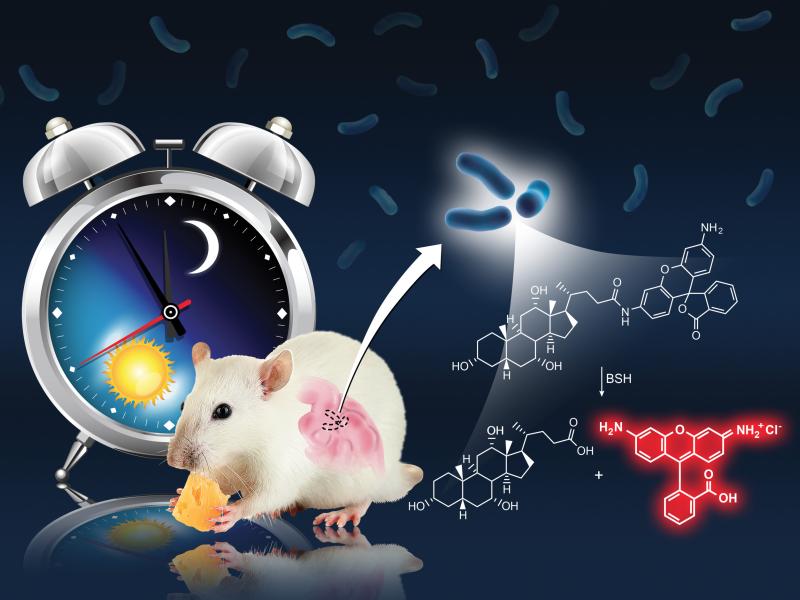
This study profiled the 24-hour rhythmicity in bile salt hydrolase enzyme activity using simple fluorescence assay and the results showed that this rhythmicity is influenced by feeding patterns of the host.
New research from PNNL and Washington State University collaborators connects the microbiome in the gut to circadian rhythms, suggesting a role for the microbiome as an internal regulator.
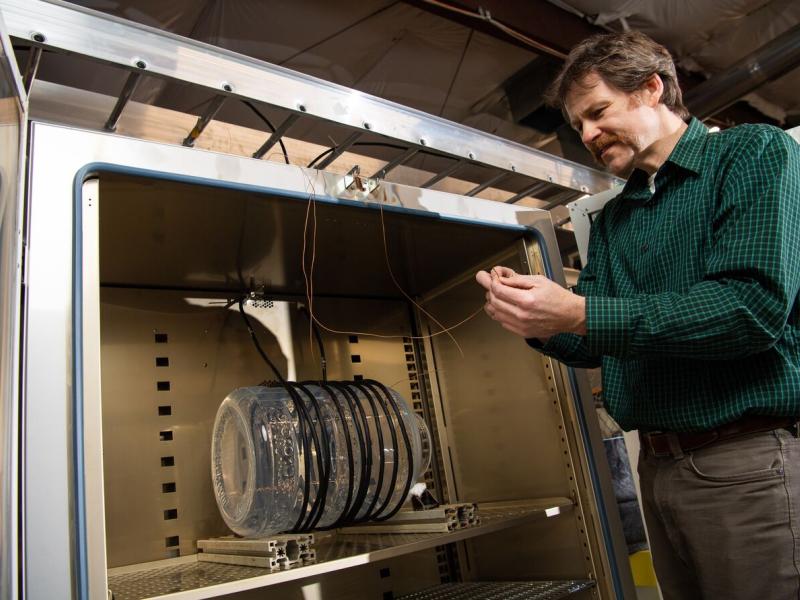
PNNL’s ARENA test bed analyzes how electrical cables degrade in extreme environments and how nondestructive examination inspection technologies can detect and locate damage.
The popular approach of organizing soil bacteria into fast- or slow-growing groups is problematic because most bacteria grow at comparable rates in soil.
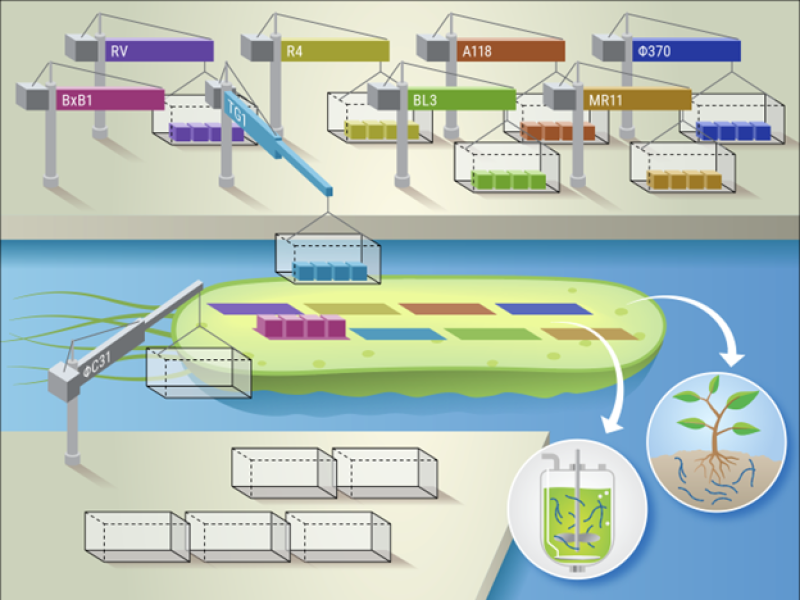
SAGE is a high-efficiency genome integration strategy for bacteria that makes the stable introduction of new traits simple for newly discovered microbes.
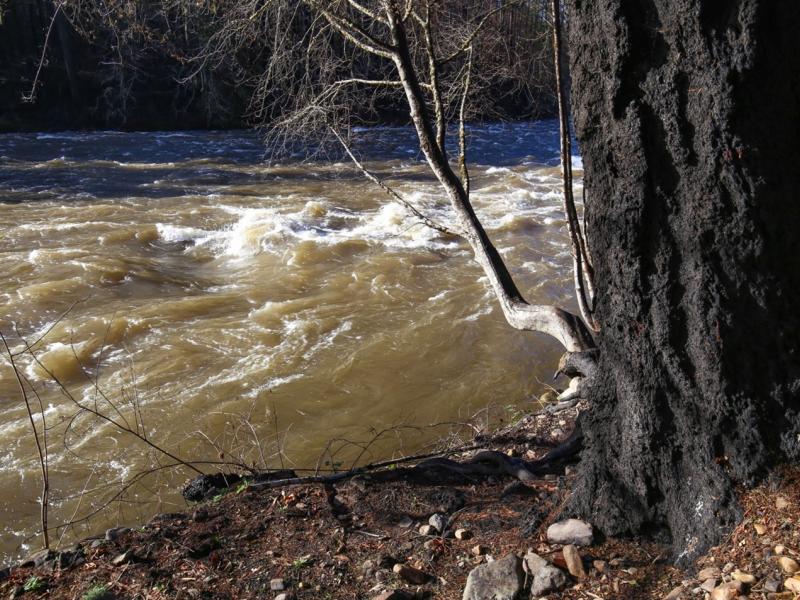
Variations in burn severity are a key control on the chemical constituents of dissolved organic matter delivered to streams within a single burn perimeter.
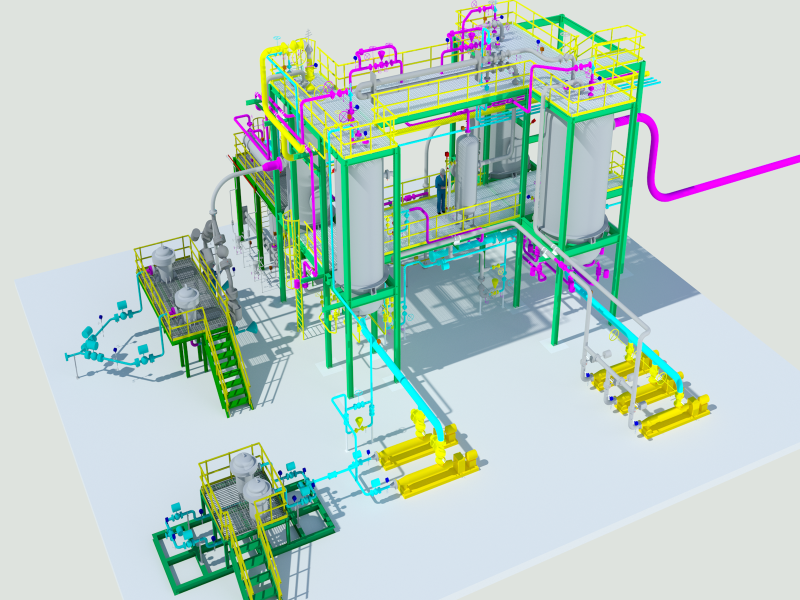
A PNNL innovation uses steam to recover heat from the high-temperature reactor effluent in the HTL process, substantially reducing the propensity for fouling and potentially reducing costs.
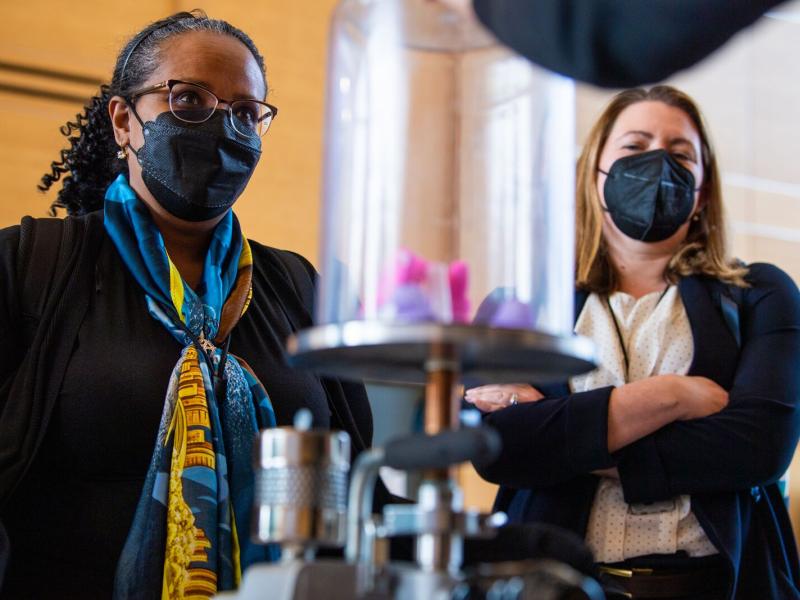
Department of Energy, Office of Science Director Asmeret Asefaw Berhe visited PNNL to learn about the Lab’s drive to conduct discovery science, commitment to science for an equitable future, and development of a diversified STEM workforce.