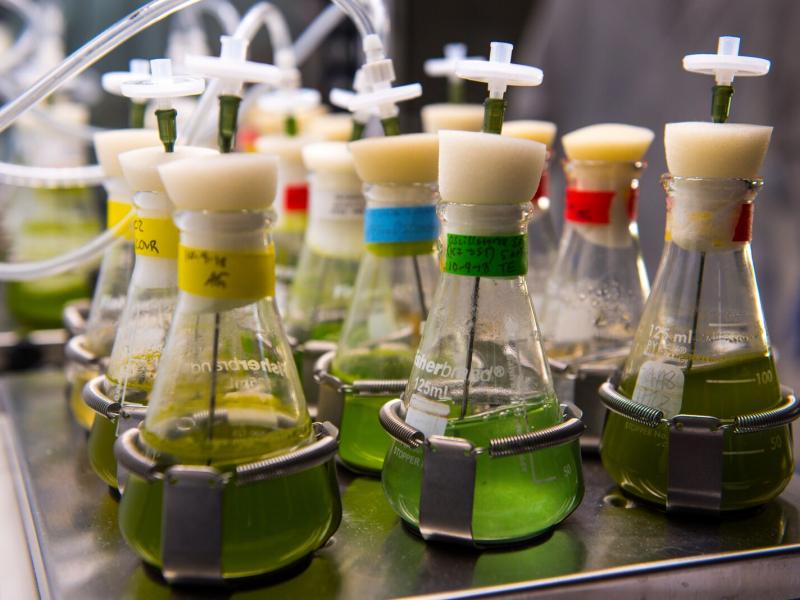
Biocatalysis uses natural catalysts like enzymes to accelerate chemical processes, offering energy-efficient alternatives for sustainable materials and fuels.
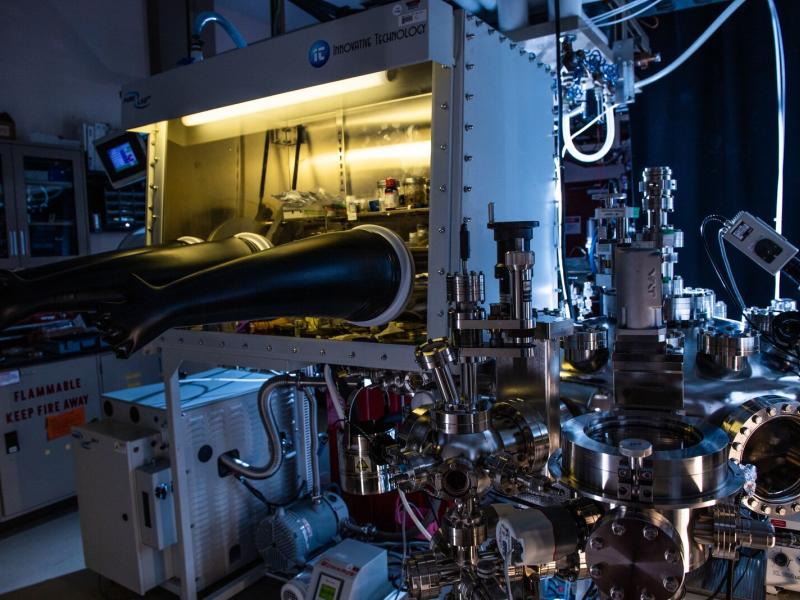
Photoelectron spectroscopy examines electron properties of materials using light, revealing insights into chemical structures and advancing technology innovation.
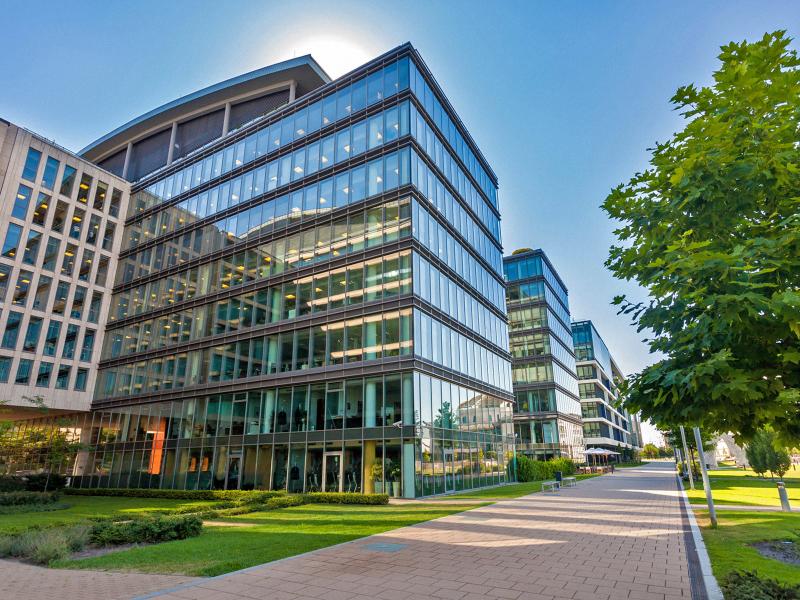
Green buildings prioritize sustainability, energy efficiency, and reduced environmental impact, combining design and technologies for healthier, eco-friendly spaces.
Environmental justice ensures underserved communities are included in environmental decisions, addressing disproportionate impacts and promoting equity in health.
Fentanyl analogs are illicit—and often deadly—alterations of the medically prescribed drug fentanyl. The analogs have similar chemical structure, and they mimic the pharmacological effects of the original drug.
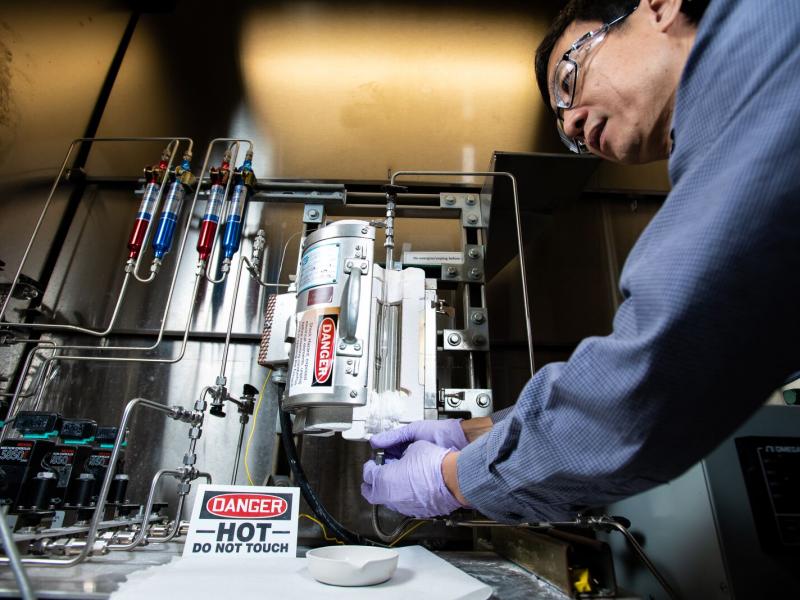
Catalysis speeds up chemical reactions with catalysts, enabling advancements in energy, materials, and sustainability. Discover its role in driving innovation.
Renewable fuels, like biodiesel and bioethanol, offer eco-friendly energy alternatives to petroleum, reducing greenhouse gas emissions and supporting sustainability.
Molecular catalysis transforms chemical reactions using catalysts at the molecular level, driving advancements in energy, sustainability, and materials science.