In a December press release, the National Nuclear Security Administration (NNSA) announced the safe and secure removal of 50 sample containers of plutonium-239 and americium-241.
In 2020, virtual Washington State University teams successfully worked together in a program sponsored by the National Nuclear Security Administration’s (NNSA) Office of International Nuclear Safeguards.
Ann Lesperance, national security advisor, joins the National Academies of Sciences, Engineering, and Medicine Committee on Applied Research Topics for Hazard Mitigation and Resilience.
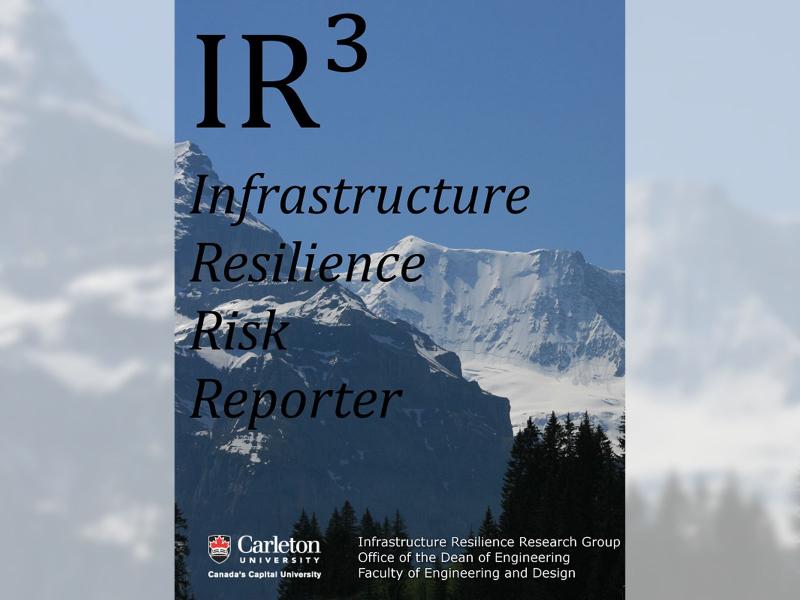
A recent edition of the Infrastructure Resilience Research Group Journal featured an article written by PNNL researchers Rob Siefken and Jake Burns about “Design Basis Threat and the Low Threat Environment.”
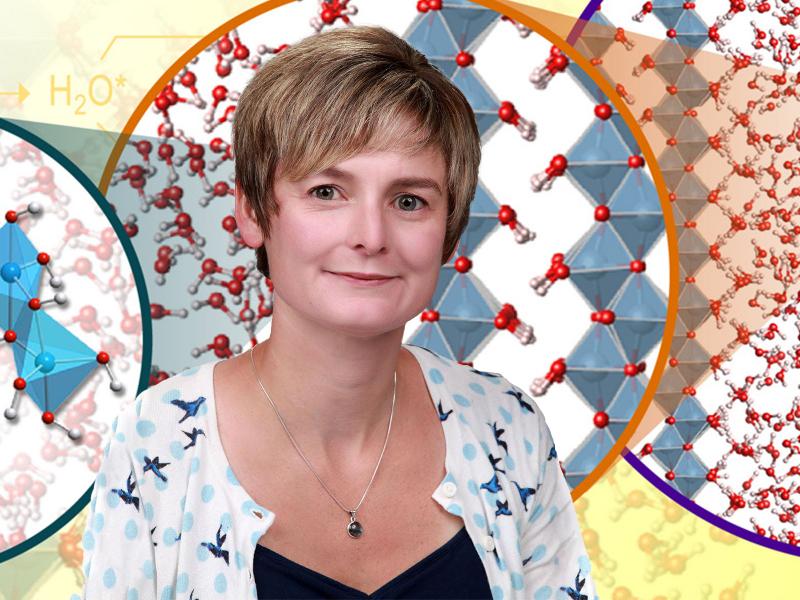
A new review paper led by senior research scientist Chun-Long Chen and featured on the cover of Accounts of Chemical Research summarizes advances by PNNL scientists in developing sequence-defined peptoids.
Beginning in 2021, PNNL chemical physicist Bruce Kay begins a three-year term as an AVS trustee, part of a six-member committee responsible for overseeing the administration of student scholarships and major society awards.
PNNL’s Fred Morris was awarded the National Nuclear Security Administration Administrator Lifetime Achievement and Distinguished Service Silver awards.
Pacific Northwest National Laboratory Global Security Technology and Policy group manager, Sarah Frazar, was named to the Board of Trustees for the World Affairs Council of Seattle.
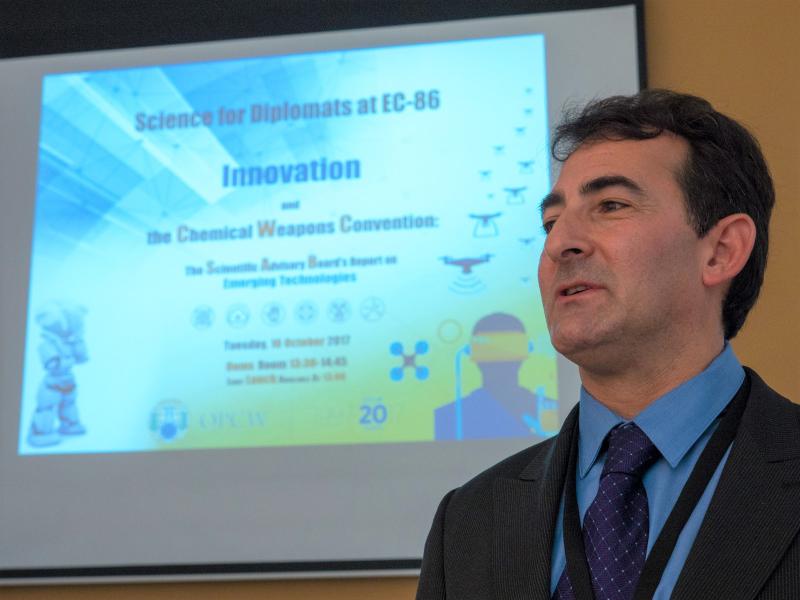
Jonathan Forman, science and technology advisor at Pacific Northwest National Laboratory, was announced as the winner of the Hall of Fame award in the innovator category by the Organisation for the Prohibition of Chemical Weapons.
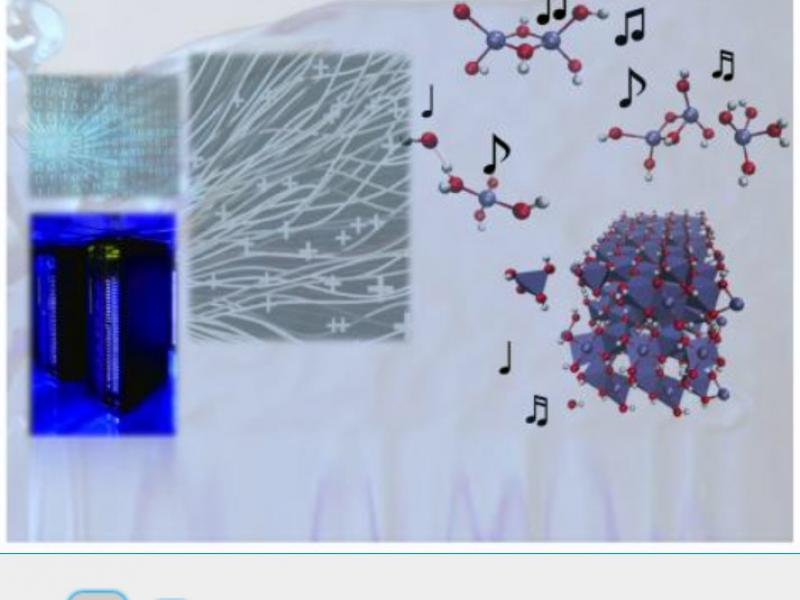
PNNL and Oklahoma State University join forces to understand the chemistry of sodium-ion and potassium-ion batteries thanks to an award from the U.S. Department of Energy's Established Program to Stimulate Competitive Research (EPSCoR).