PNNL is a testbed for the latest research and technologies in marine carbon dioxide removal (mCDR)—leveraging the ocean’s strength as a natural carbon sink to address pressing climate concerns.
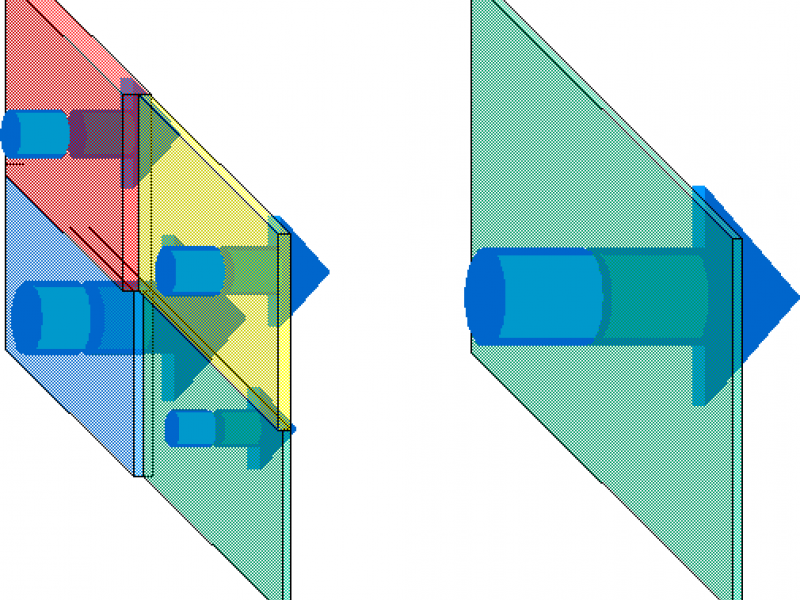
Advancing the understanding and monitoring of nuclear material processing to accelerate development and qualification of new material systems for national security and nuclear energy.
Mega AI seeks to develop massive-scale, self-supervised, multimodal foundation models of scientific knowledge capable of general-purpose inferences to enable reasoning with existing knowledge and discovery of new knowledge.
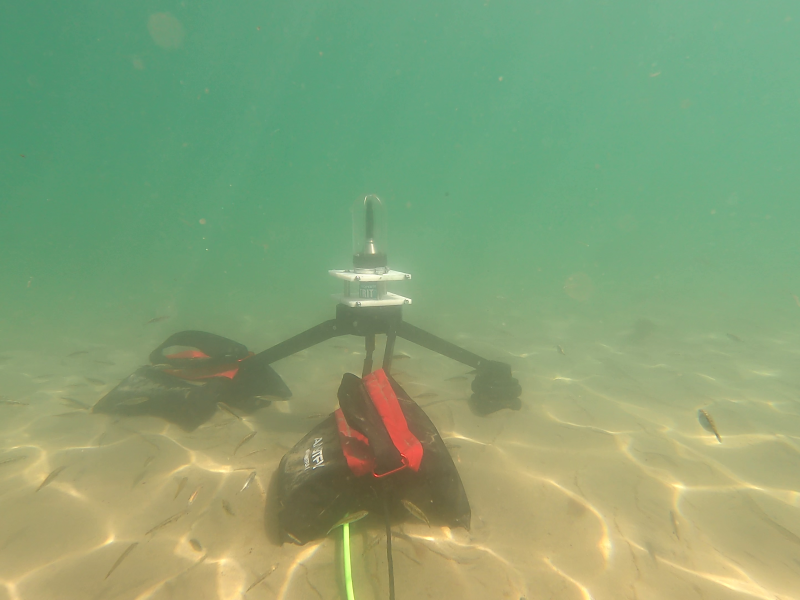
The Nereus Project aims to collect and analyze comprehensive environmental monitoring data around operational marine energy sites and devices in the United States.
The NNSA Graduate Fellowship Program is administered by Pacific Northwest National Laboratory and sponsored by the NNSA to provide students with training and practical experience that achieve the NNSA mission.
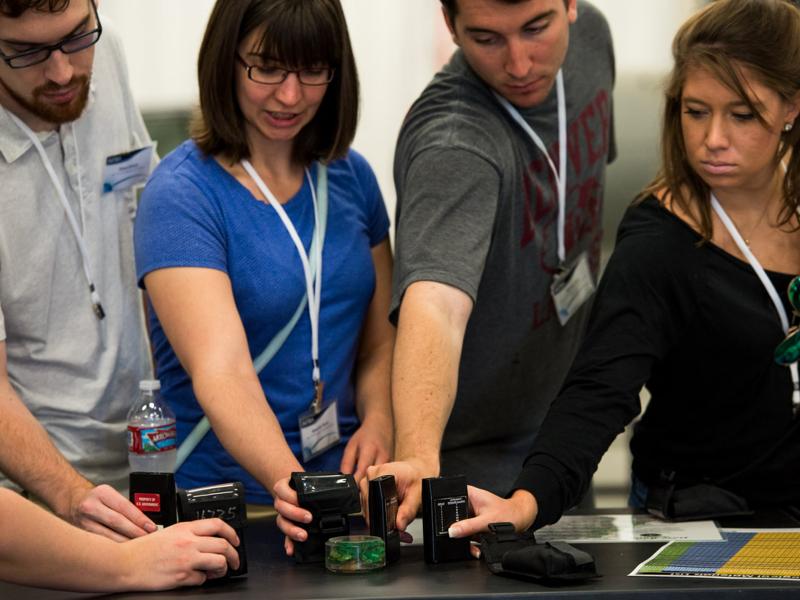
The NNSA MC&A Academy expands the knowledge, technical base, and experiences of individuals interested in nuclear security and working with a nuclear material control and accountability program or who will join one as a new staff member.
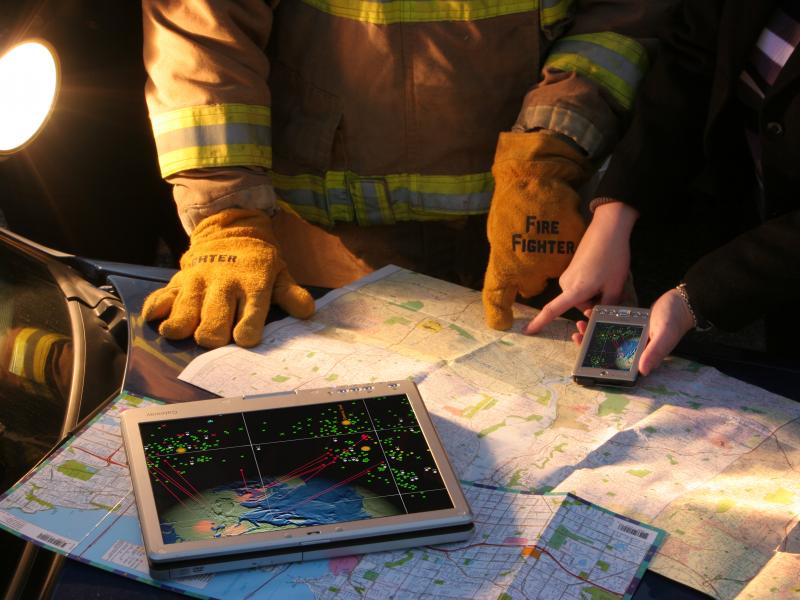
The National Response Framework Policy Landscape Analysis Tool interactively captures and visualizes intricacies of the National Response Framework, a federal guide to national response to all types of disasters and emergencies.
Pacific Northwest National Laboratory supports innovations in data analytics, instrumentation, and experimental techniques for the Northwest (NW) Biopreparedness Research Virtual Environment (BRaVE) Initiative.
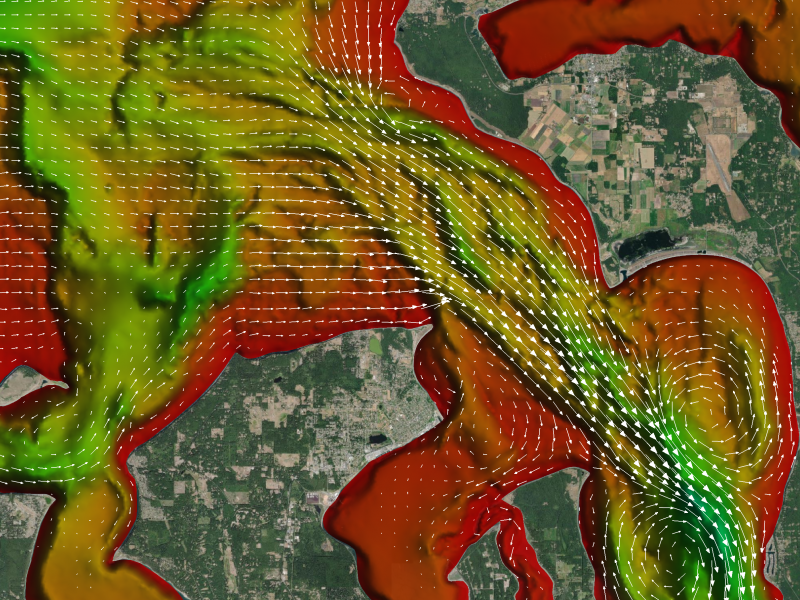
PNNL's Ocean Dynamics Modeling group studies coastal processes such as marine-hydrokinetic energy, coastal circulations, storm surge and extreme waves, tsunamis, sediment transport and nutrient-macroalgal dynamics.
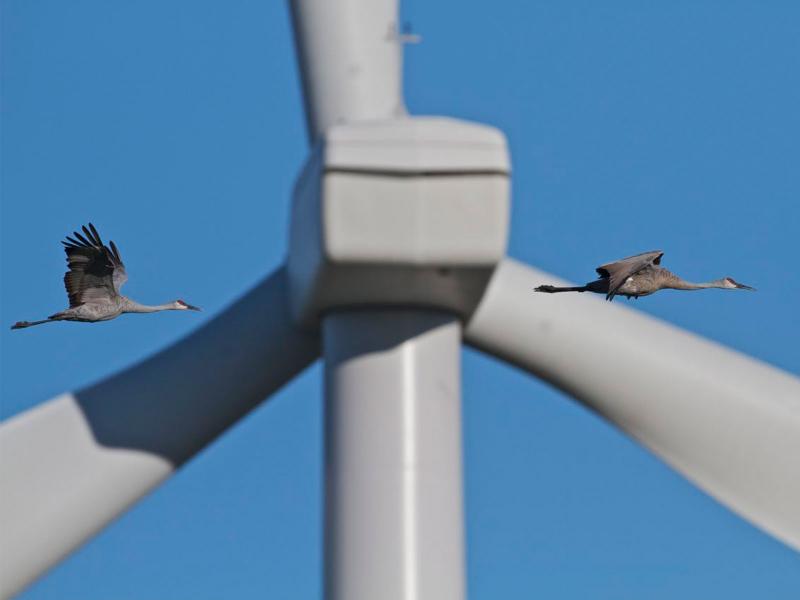
PNNL and the United States Geological Survey are partnering to develop a buoy-based radar system capable of measuring bird and bat abundances and behaviors at offshore locations.