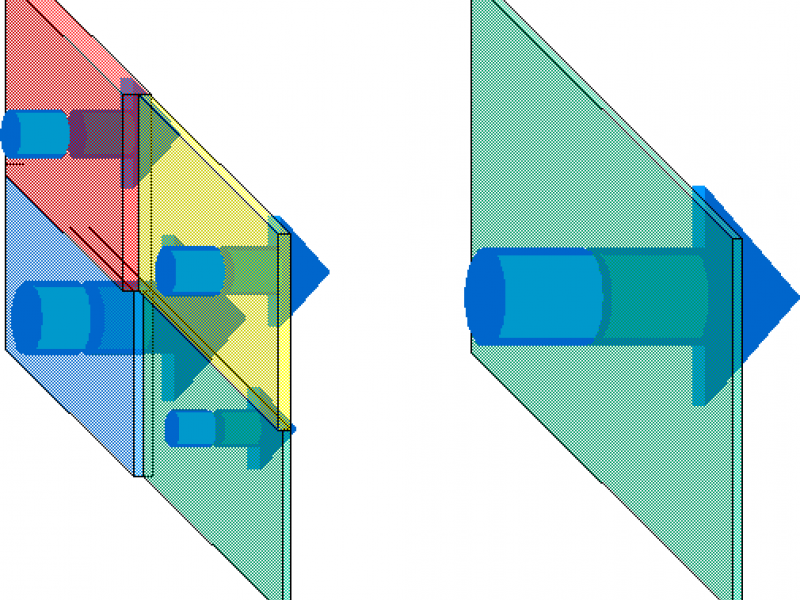
Fish reintroduction is the intentional establishment of a fish species in an area where it existed historically prior to hydropower development and other terrain changes to the species’ habitat.
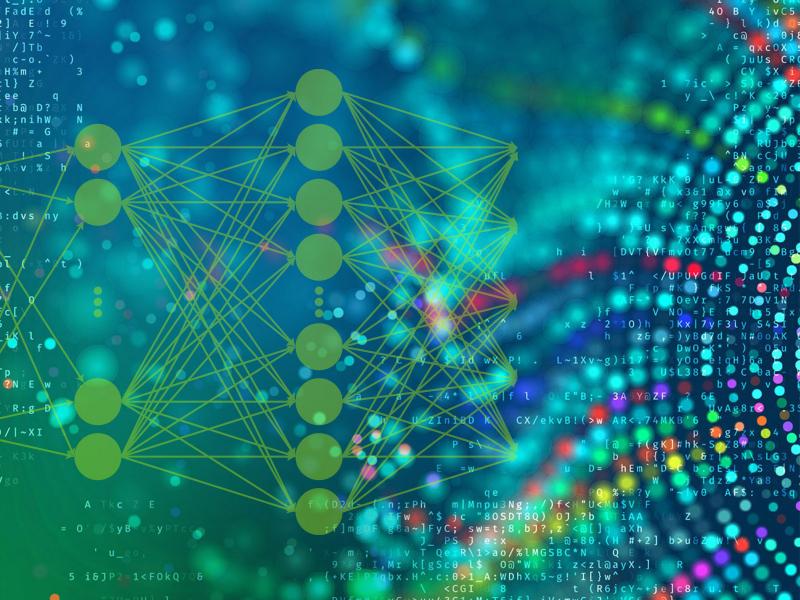
Pacific Northwest National Laboratory’s Generative AI Investment aims to harness this transformative technology to drive innovation across the science, energy, and security research domains.
PNNL is a key partner in the Department of Energy (DOE) Genesis Mission, which is developing a powerful AI platform to accelerate scientific discovery, drive energy innovation, and strengthen national security.
The Joint Global Change Research Institute conducts research to advance fundamental understanding of human and Earth systems and provide decision-relevant information for management of emerging global risks and opportunities.
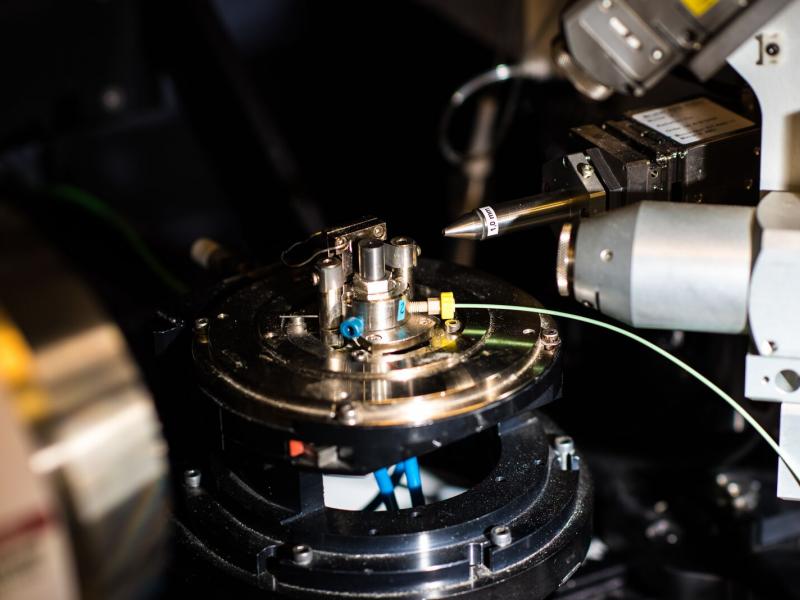
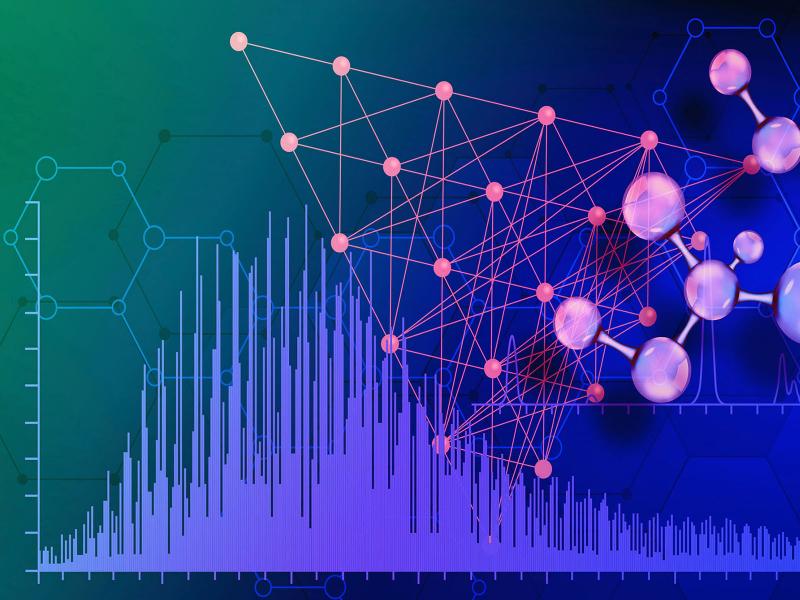
PNNL is heavily engaged in the development and use of mass spectrometry technology across its science, energy, and security missions, from fundamental research through mature operational capabilities.
PNNL is a testbed for the latest research and technologies in marine carbon dioxide removal (mCDR)—leveraging the ocean’s strength as a natural carbon sink to address pressing climate concerns.
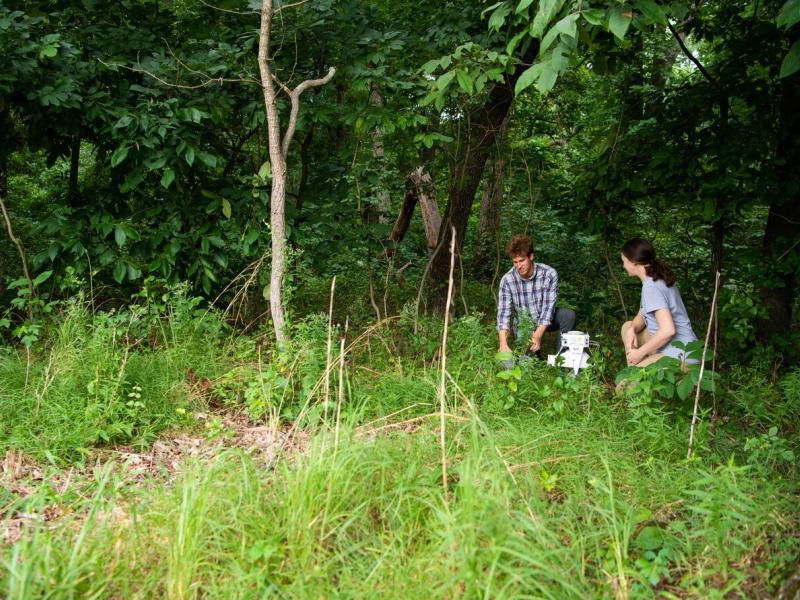
The Molecular Observation Network is a national open science network designed to produce a comprehensive database of molecular and microstructural information on soil, water, microbial communities, and biogenic emissions.
Pacific Northwest National Laboratory supports innovations in data analytics, instrumentation, and experimental techniques for the Northwest (NW) Biopreparedness Research Virtual Environment (BRaVE) Initiative.
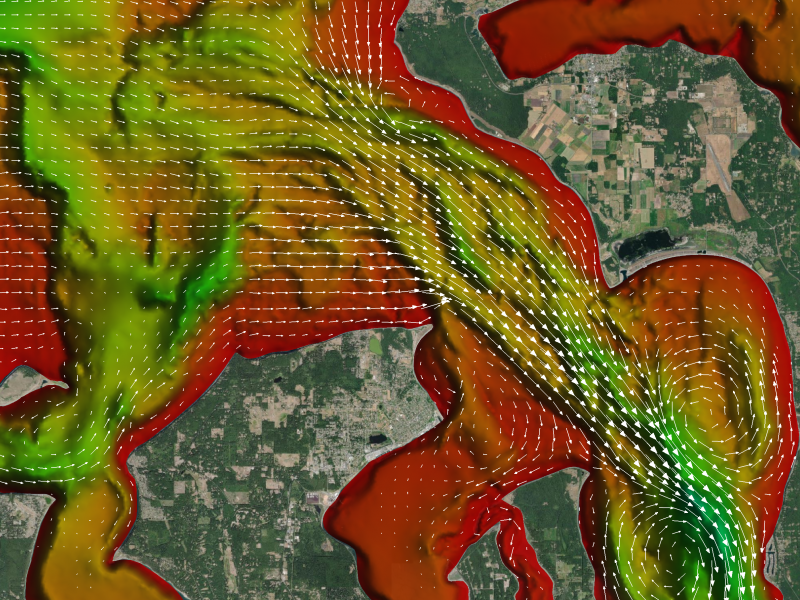
PNNL's Ocean Dynamics Modeling group studies coastal processes such as marine-hydrokinetic energy, coastal circulations, storm surge and extreme waves, tsunamis, sediment transport and nutrient-macroalgal dynamics.