Radiation Detection for Nuclear Security Summer School
A ‘rad’ summer school like no other
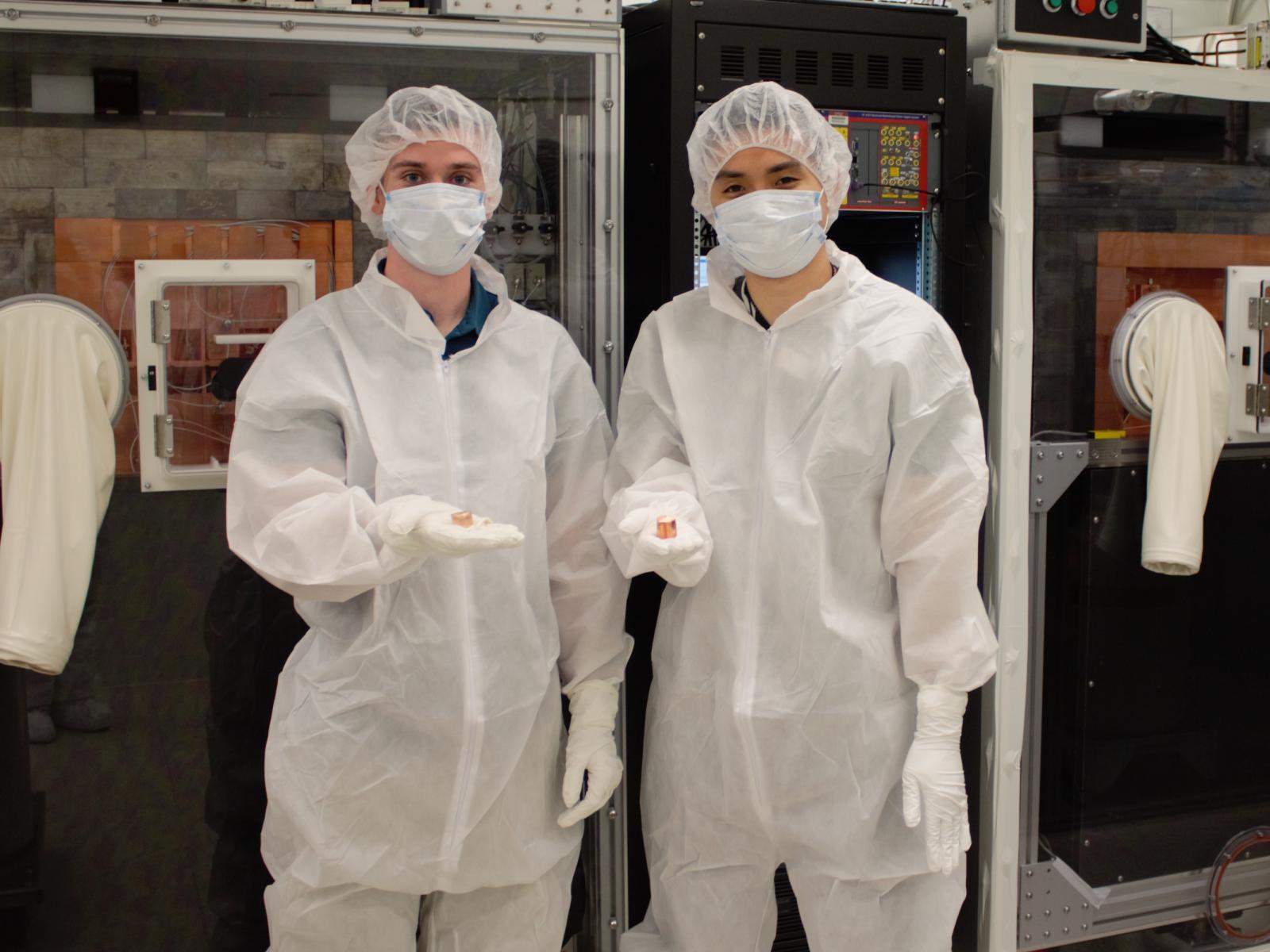
The Radiation Detection for Nuclear Security Summer School at Pacific Northwest National Laboratory (PNNL) offers a unique hands-on experience that explores how radiation detectors are used in national security missions. The course provides an understanding of challenges in the field and exposes students to the technical foundations, analysis, and insights required to lead technology development and applications in nuclear security.
The next Radiation Detection for Nuclear Security Summer School is scheduled for June 14-25, 2027.
The two-week course on PNNL’s campus* in Richland, Washington, features seminars with top nuclear security experts, tours of operational facilities, and hands-on instruction with detection equipment and methods. Students are also invited to share a short presentation on their thesis research and/or a topic related to the summer course theme.
Enrollment is limited to approximately 16 students. There is no charge for the course; however, students are responsible for transportation to and from the class, meals, and lodging. Information on local airports, rental agencies, public transportation, and available lodging will be provided.
The summer school is funded by the National Nuclear Security Administration (NNSA), Office of Nonproliferation and Verification Research and Development.
“Having done so much with the theory and simulation side of nuclear detection, it was amazing to see the practical applications.” – Former student
Course Topics and Activities
Week 1 | Foundations
Lectures include:
| Activities may include:
|
Week 2 | Applications
Lectures include:
| Activities may include:
|
Instructors
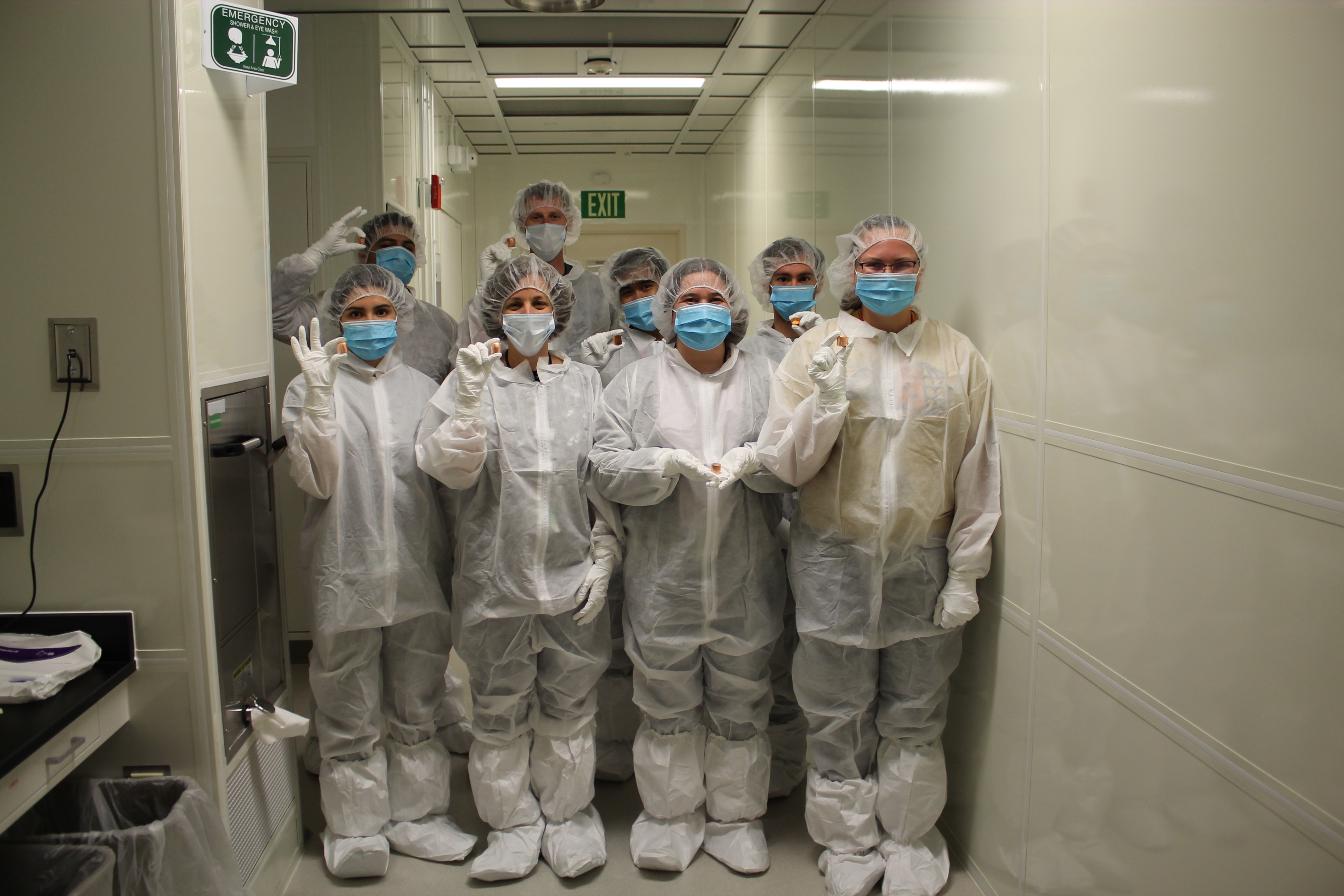
Key course leaders include PNNL's Grey Batie, Bob Runkle, Mitch Woodring, Ben McDonald, and Professor, Florida Power and Light Professor Nuclear Engineering Program James Baciak (University of Florida). Other PNNL subject matter experts help lead various tours, activities, and special lectures. The instructors have extensive research and instructional experience in nuclear security and nonproliferation. External guest lecturers typically include leaders from federal government agencies, such as the Department of Homeland Security, National Nuclear Security Administration, and the Defense Threat Reduction Agency.
Eligibility
- The targeted student population consists of those strongly considering future employment at national laboratories or at U.S. government agency in a national security position, which will likely require security clearance eligibility
- Students should be security clearance eligible (e.g., U.S. citizens)
- Students must be enrolled in a graduate degree program in a field relevant to radiation detection, including nuclear engineering, nuclear physics, nuclear chemistry, or high-energy physics; Experienced upper-level undergraduates will also be considered
- Priority will be given to students whose research is funded by the National Nuclear Security Administration’s Office of Defense Nuclear Nonproliferation Research and Development and to those closest to graduating