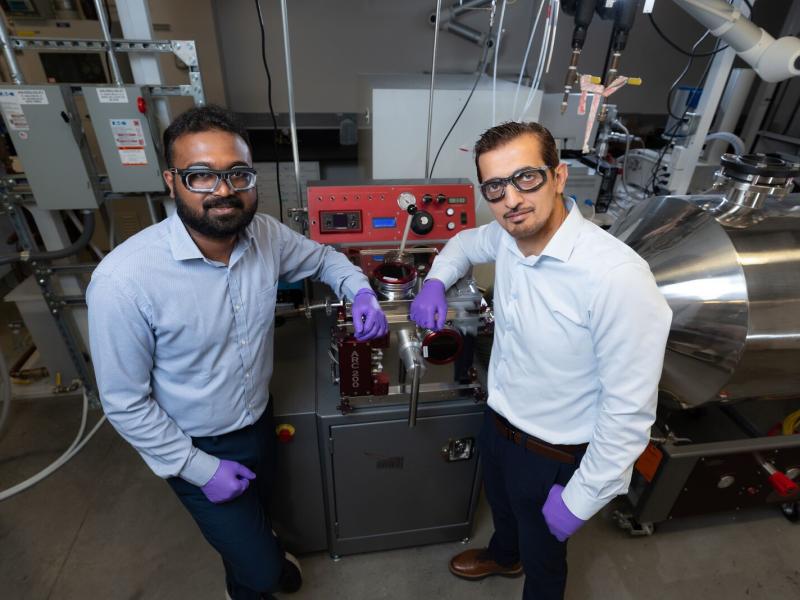
Nuclear reactors need tough alloys that can withstand extreme conditions. PNNL researchers developed a computational approach called robust alloy design (RAD) to search for materials that meet multiple nuclear requirements.
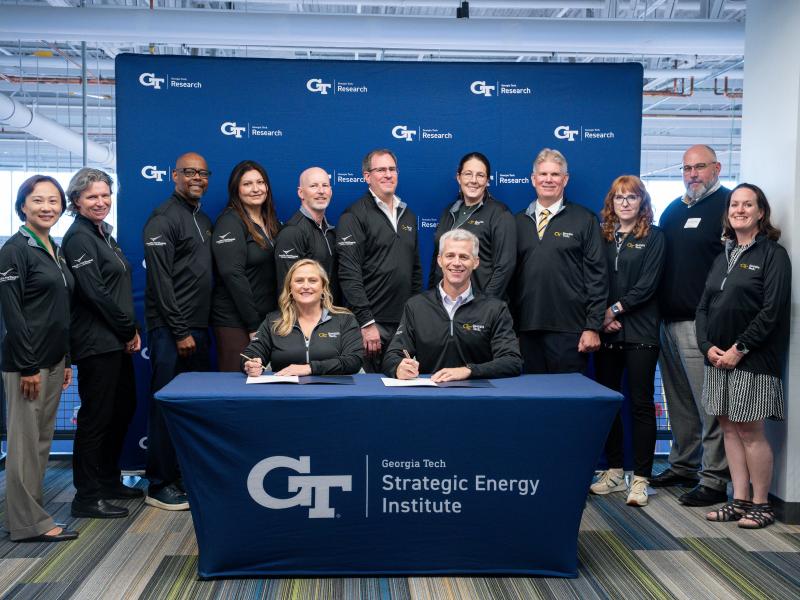
A new memorandum of understanding creates a framework for expanded research, talent development, and technology transfer between Georgia Tech and PNNL.
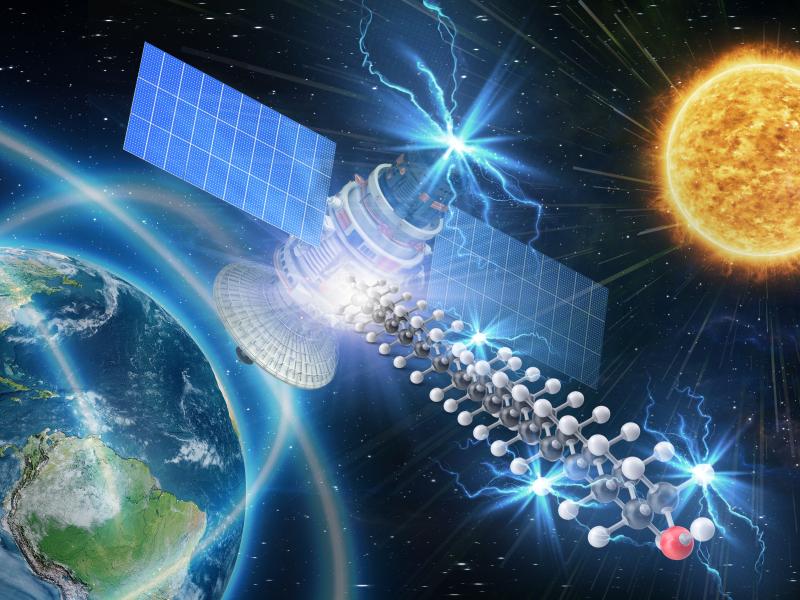
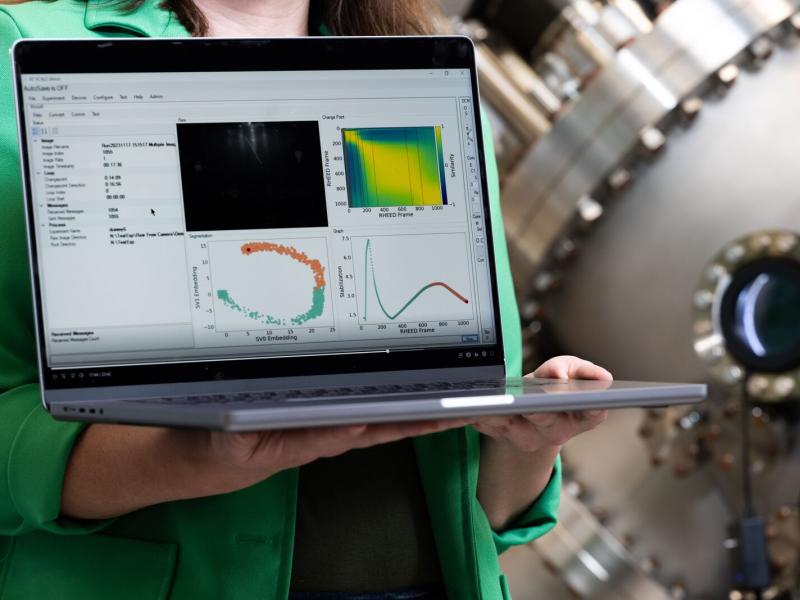
PNNL researchers are advancing AI-assisted nuclear fuel recycling to tap more than 90% of the energy potential left in used fuel, reduce waste and support secure, cost-effective next-generation reactors.
PNNL’s nondestructive evaluation capabilities support advancements in nuclear energy, including research for the U.S. Nuclear Regulatory Commission to preserve the nation’s existing nuclear fleet.
Through an unprecedented collaboration with Idaho, Savannah River, and Argonne national laboratories, the Athena Project has built a network of nearly 150 scientists.
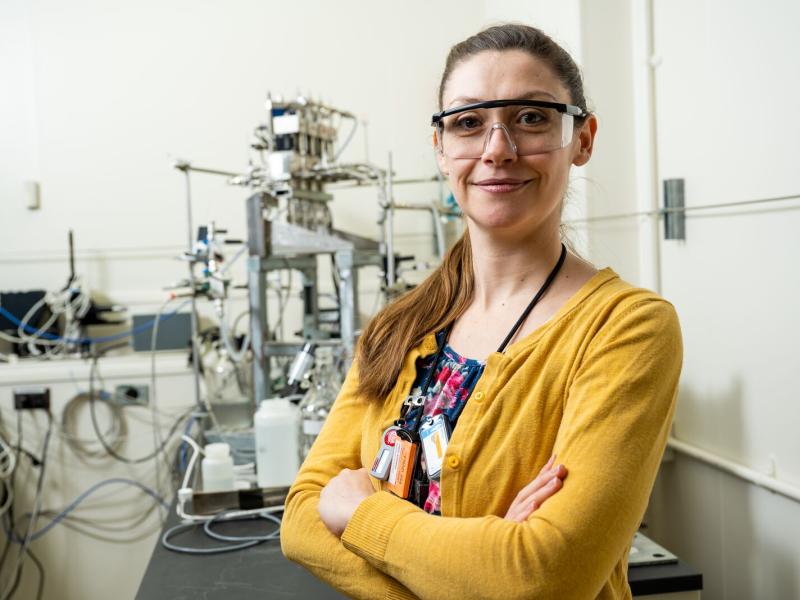
For PNNL’s Jonathan Evarts, Hope Lackey, and Erik Reinhart, this partnership with WSU opened doors and provided opportunities for their scientific careers to flourish.
By combining computational modeling with experimental research, scientists identified a promising composition that reduces the need for a critical material in an alloy that can withstand extreme environments.