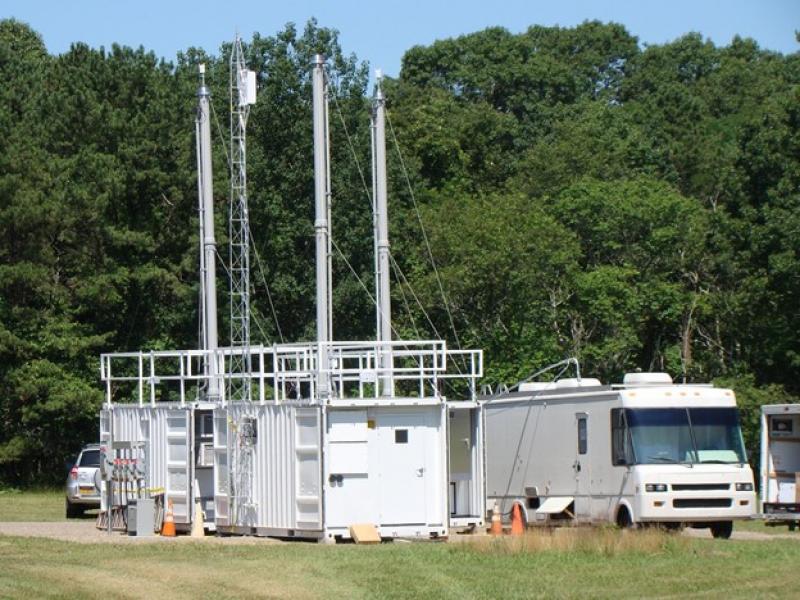
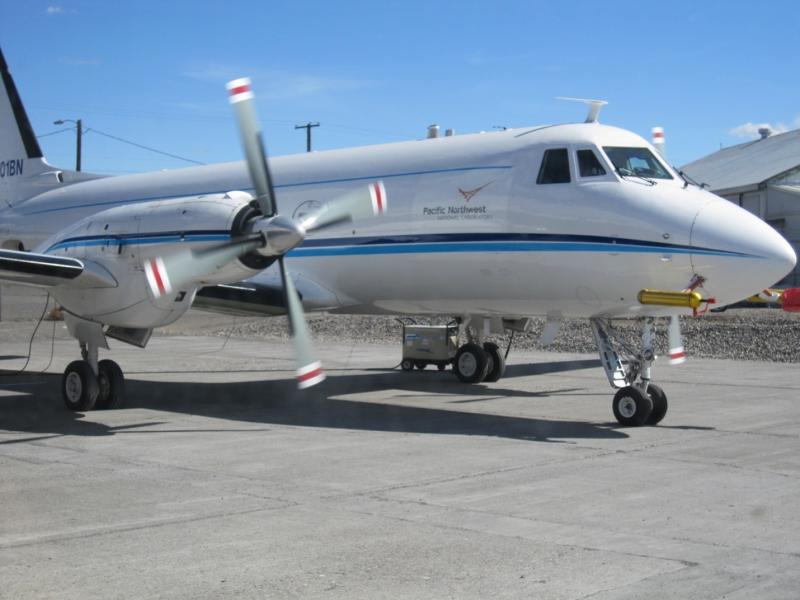
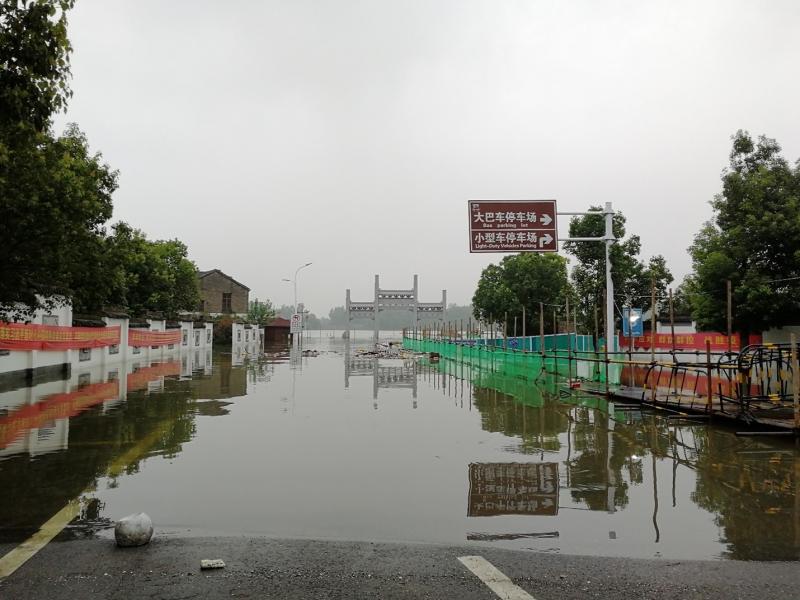
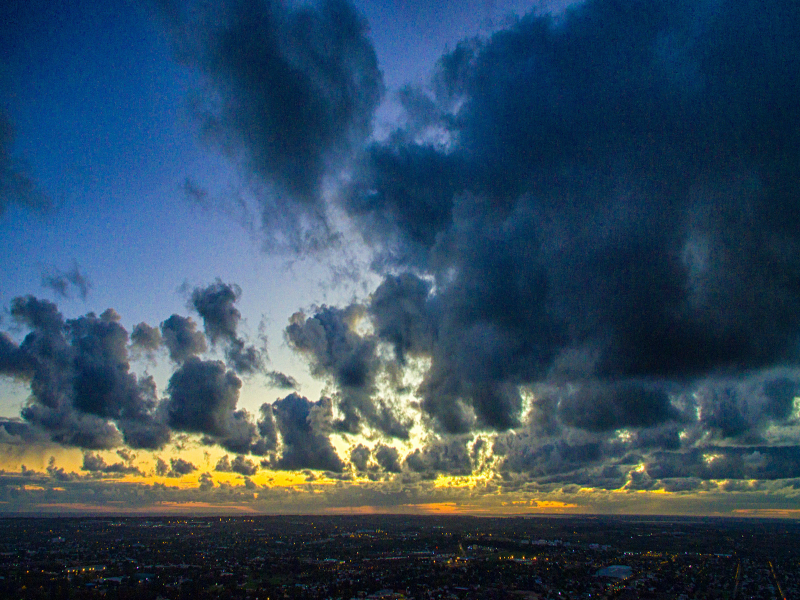
PNNL contributes to 30 years of data on clouds, radiation, and other climate-making factors as part of field campaigns and analysis conducted by DOE's Atmospheric Radiation Measurement user facility.
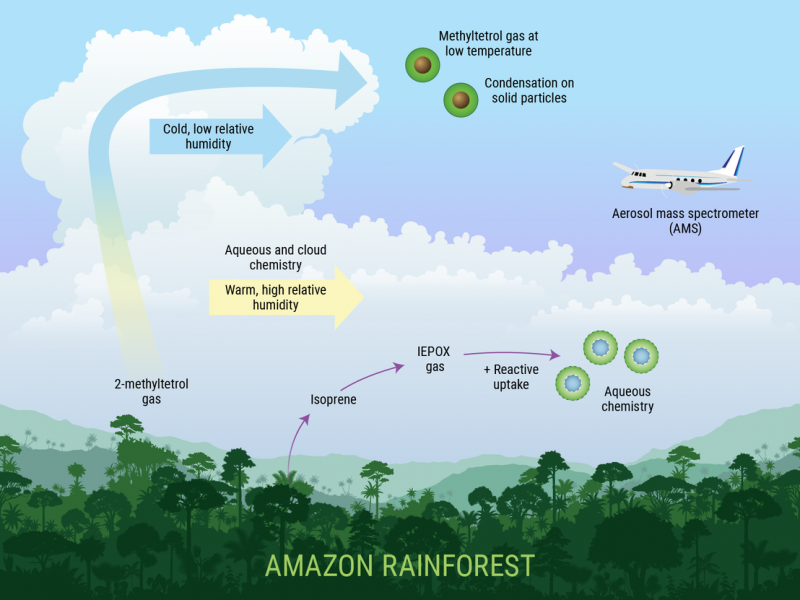
PNNL researchers have uncovered a plant-derived process that leads to the formation of aerosol particles over the Amazon rainforest and potentially other forested parts of the world.
Combining aircraft measurements and regional modeling allowed researchers to identify the role of in-plant biochemistry in secondary organic aerosol formation.
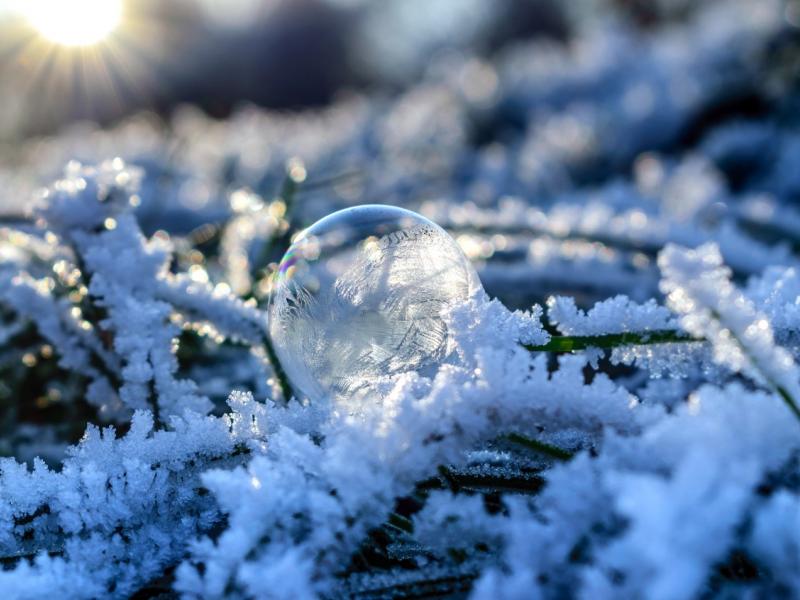
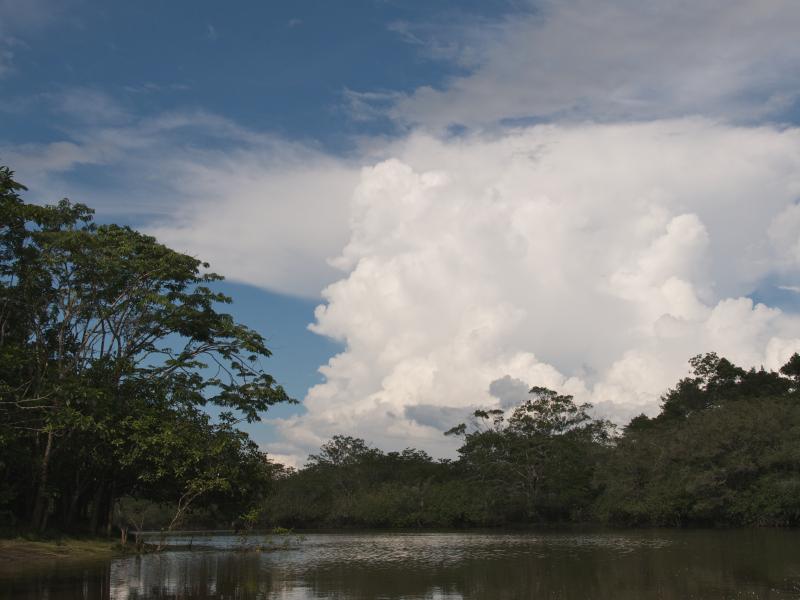
Moving toward a deeper understanding of the influence of large marine biogenic particles on cloud ice formation by combining modeling and observational data.
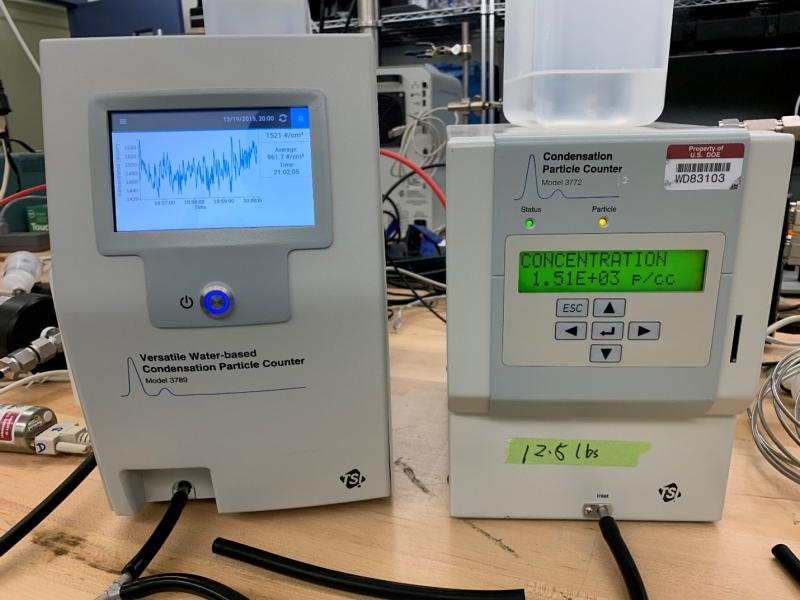
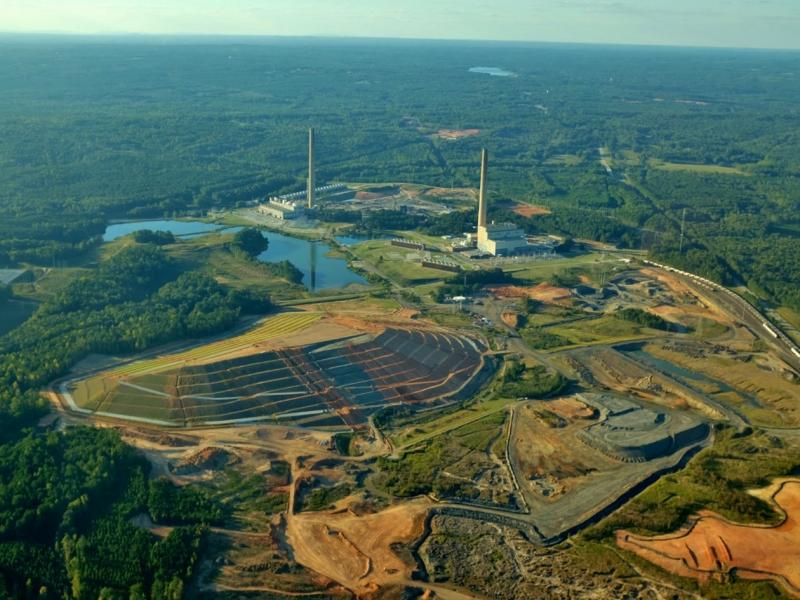
The rapid growth of urban nanoparticles via the condensation of organic vapors substantially alters shallow cloud formation and suppresses precipitation.
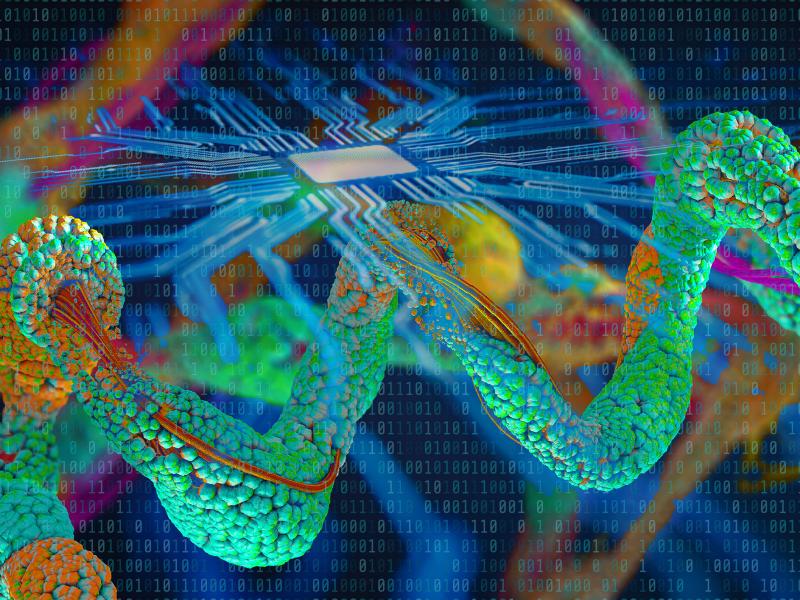
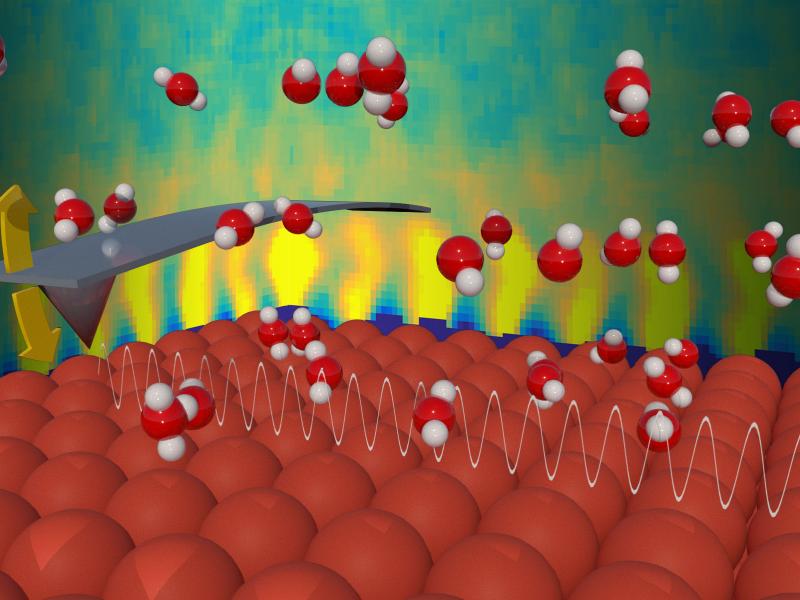
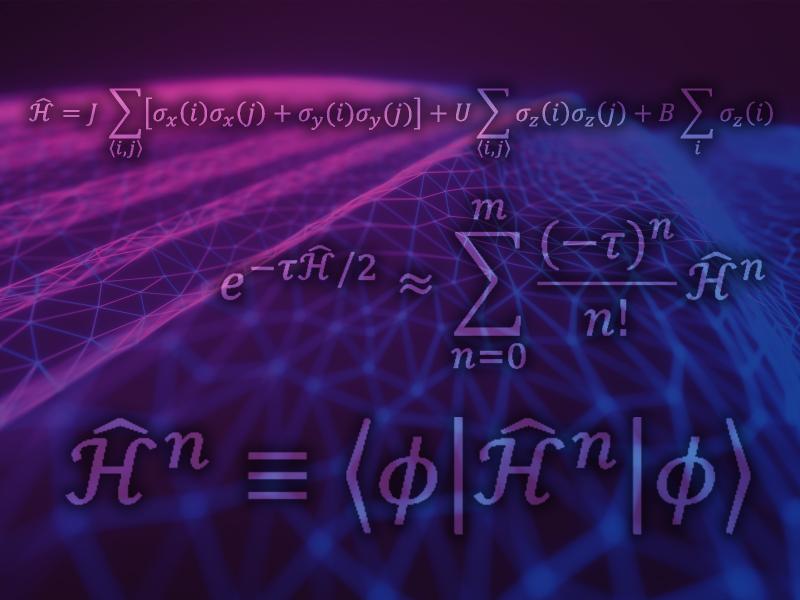
A team of researchers developed a simulation approach to identify how atomic structures can affect the phonon transport of energy and information in quantum systems near absolute zero temperatures.
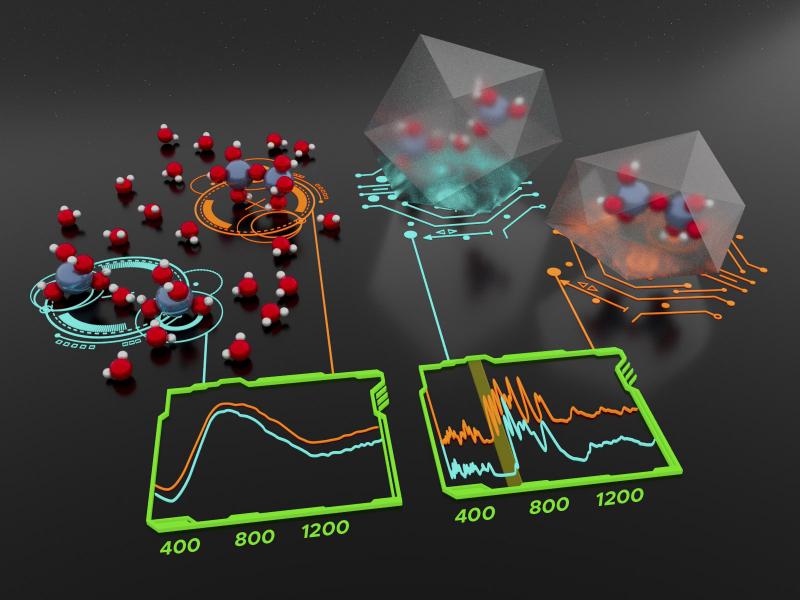
Theoretical work shows that an important natural iron source can be described as a nanoscale composite of different, but experimentally indistinguishable, structures.
Creating films with atomic precision allows researchers moving to the Energy Sciences Center to identify small, but important changes in the materials.