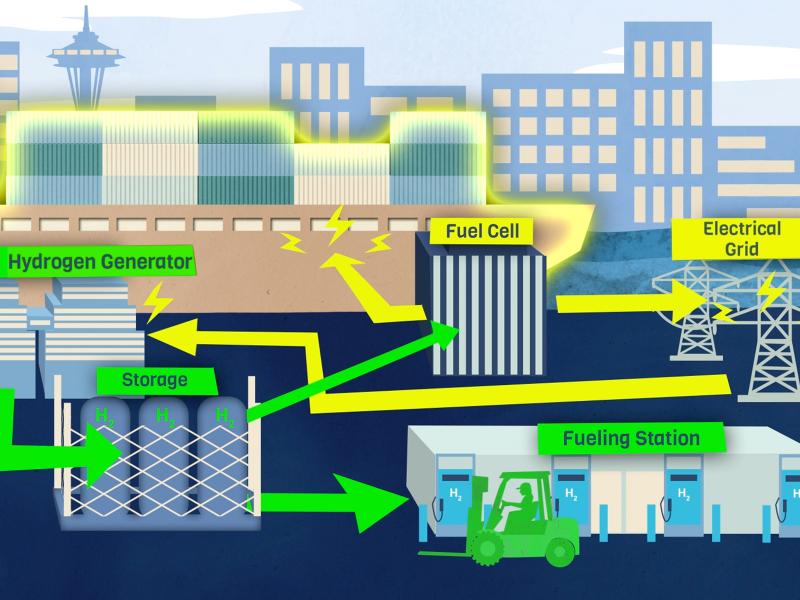
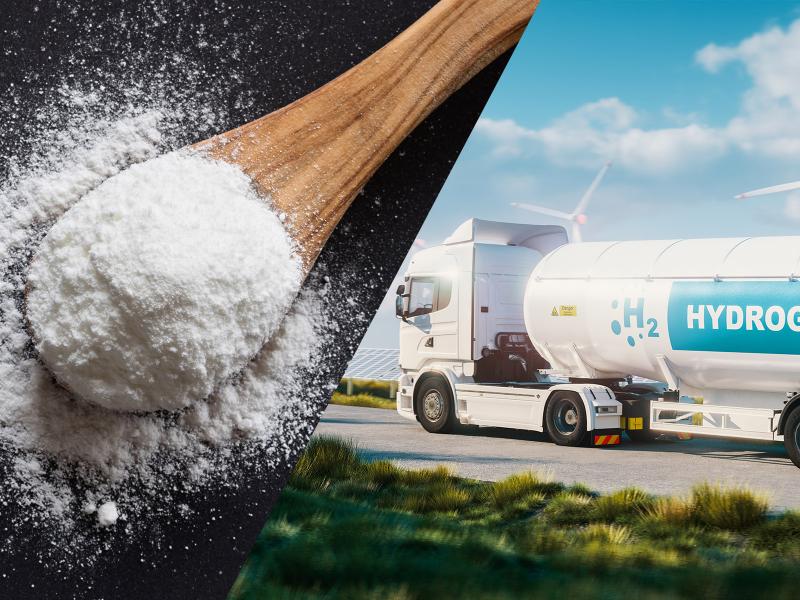
Clean hydrogen energy infrastructure is coming to the Pacific Northwest with a newly announced hydrogen hub, and PNNL experts are advising the work to come.
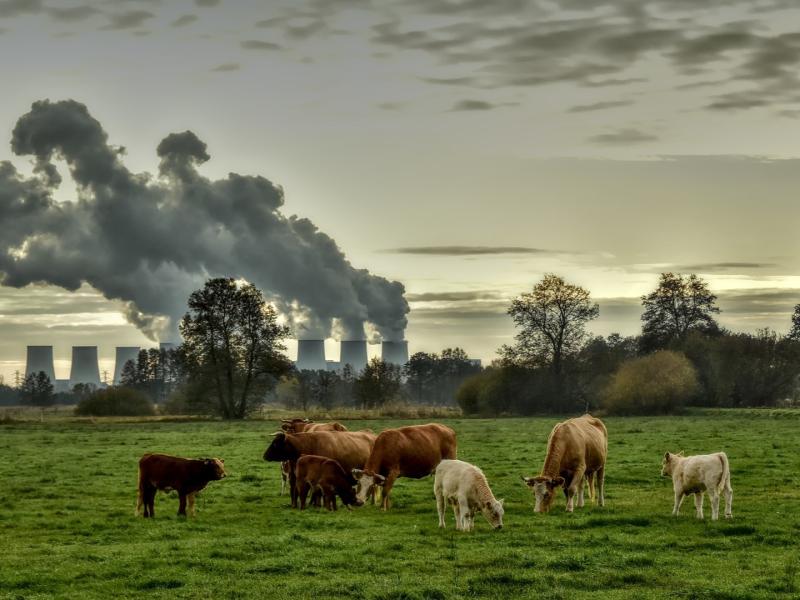
In a new paper, researchers point to three major efforts where the biggest climate mitigation gains stand to be realized: ramping up carbon dioxide removal, reigning in non-carbon dioxide emissions and halting deforestation.
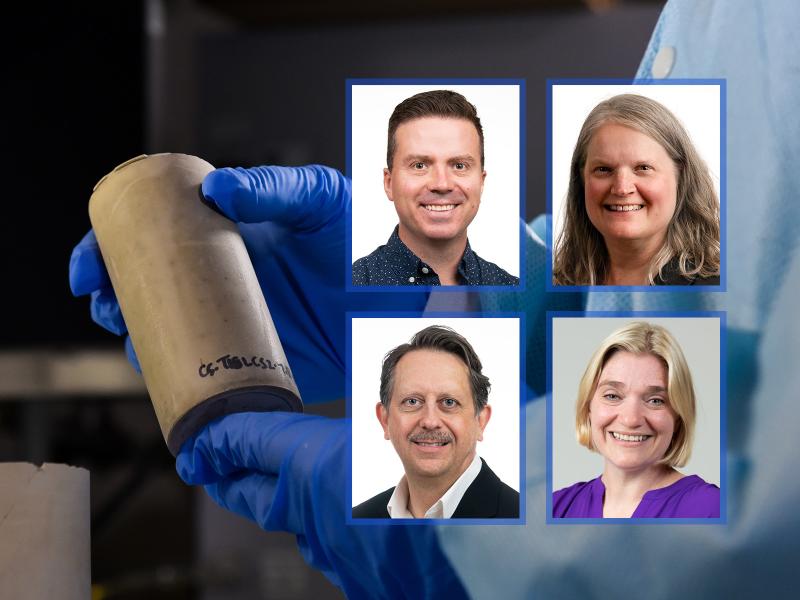
Team brought experience in nuclear waste forms and regulatory policies to the Federally Funded Research and Development Center’s report, which was reviewed by a National Academies’ committee.
In new work, PNNL researchers find that 10 gigatons of carbon dioxide may need to be pulled from Earth's atmosphere and oceans annually to limit global warming to 1.5 degrees. A diverse suite of carbon dioxide removal methods will be key.
Report for the Oregon Public Utility Commission highlights innovations and best practices for resilience and utility planning could be helpful to other states as well.
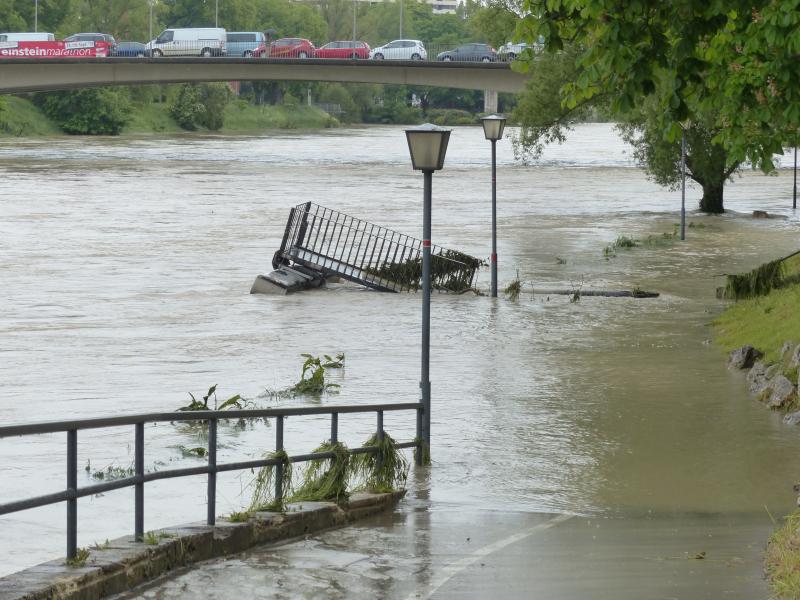
Extreme winter storms are growing wetter and changing shape in the Western United States—such changes could compromise infrastructure designed to withstand only so much water.
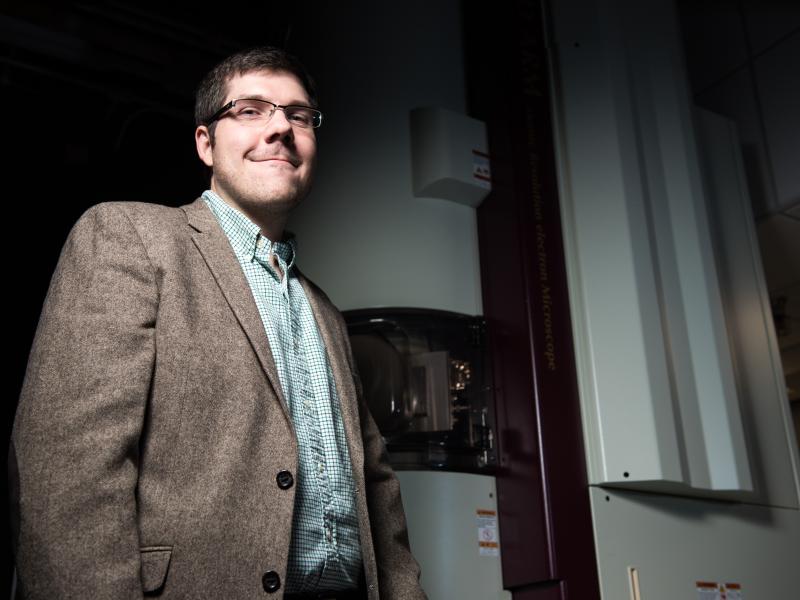
Steven Spurgeon’s research is featured in the cover of the MRS Bulletin along with his team’s invited perspective on the future of machine learning for electron and scanning probe microscopy.
The world's current climate pledges won't limit global warming to 1.5 °C. We will overshoot. A new study shows that more ambitious climate pledges could minimize the overshoot.
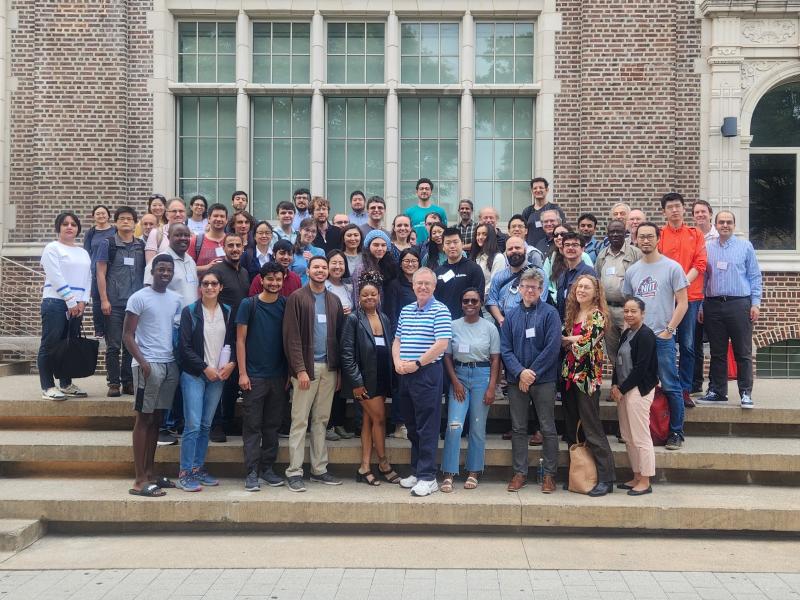
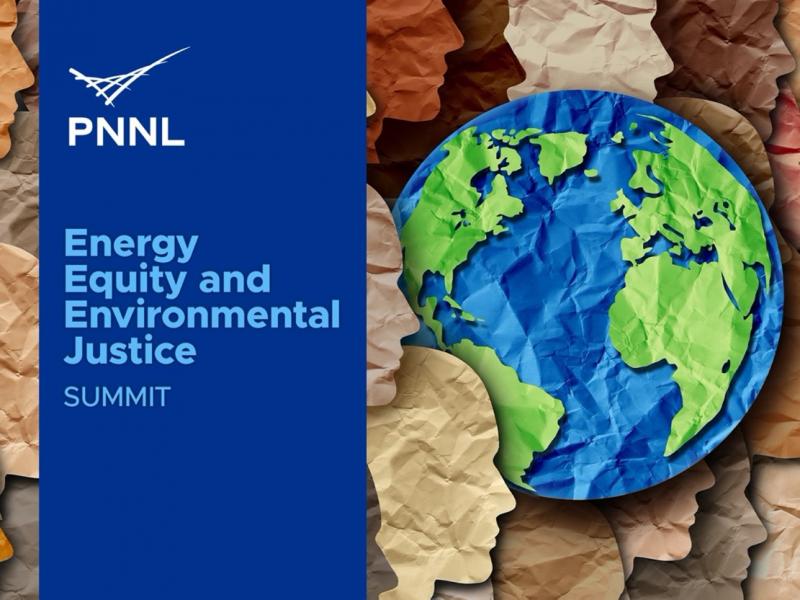
PNNL gathered researchers from eight national laboratories plus the U.S. Department of Energy (DOE) to share ideas and build synergy at the Energy Equity and Environmental Justice Summit.