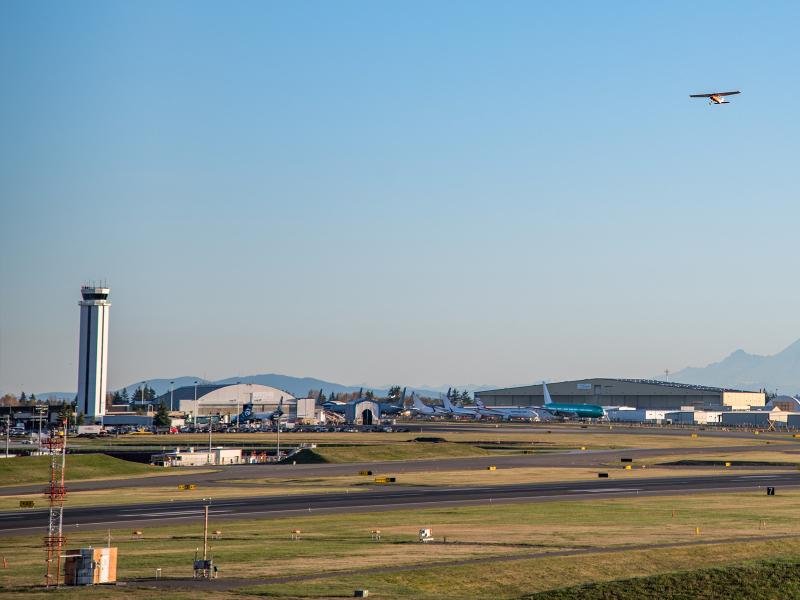
An initiative from Washington State University and Snohomish County leaders is aiming to make Paine Field a nexus for testing and improving sustainable aviation fuels made from non-petroleum materials.
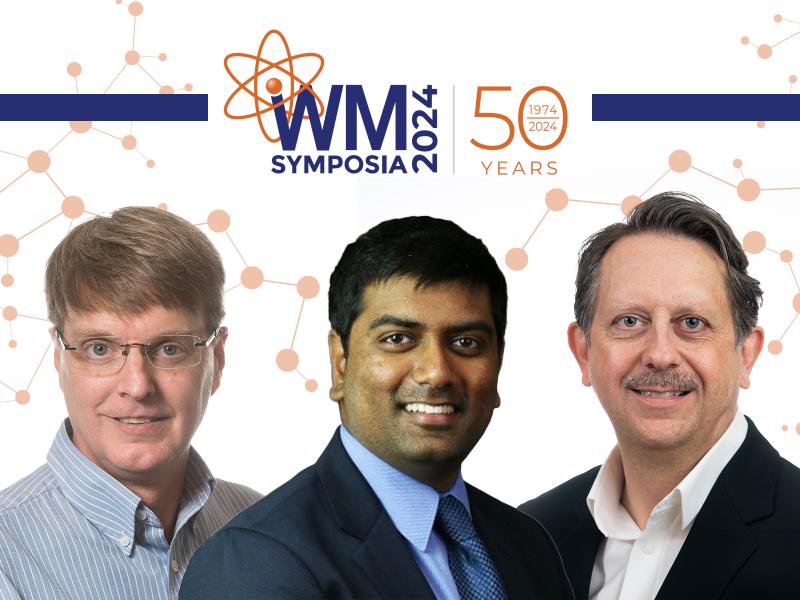
Harish Gadey, David Peeler, and Tom Brouns named to Waste Management Symposia Program Advisory Committee positions to help develop radioactive waste management discussions.
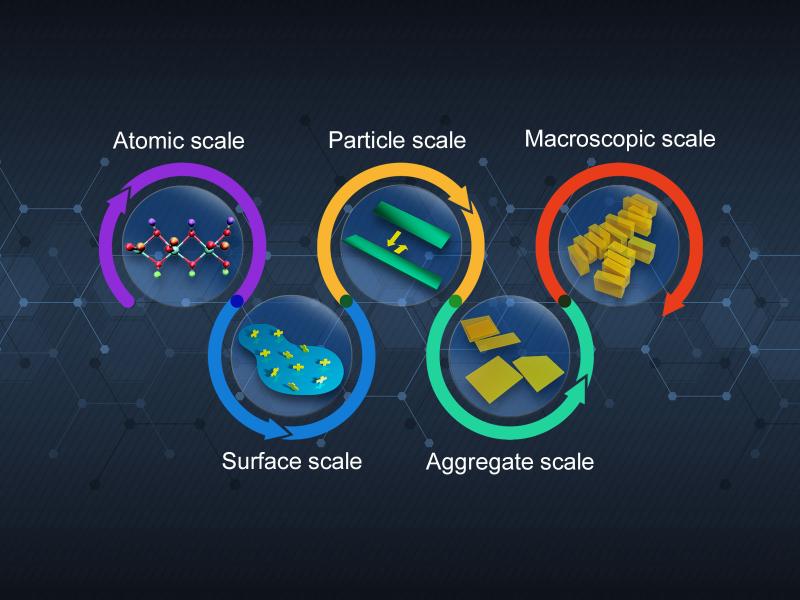
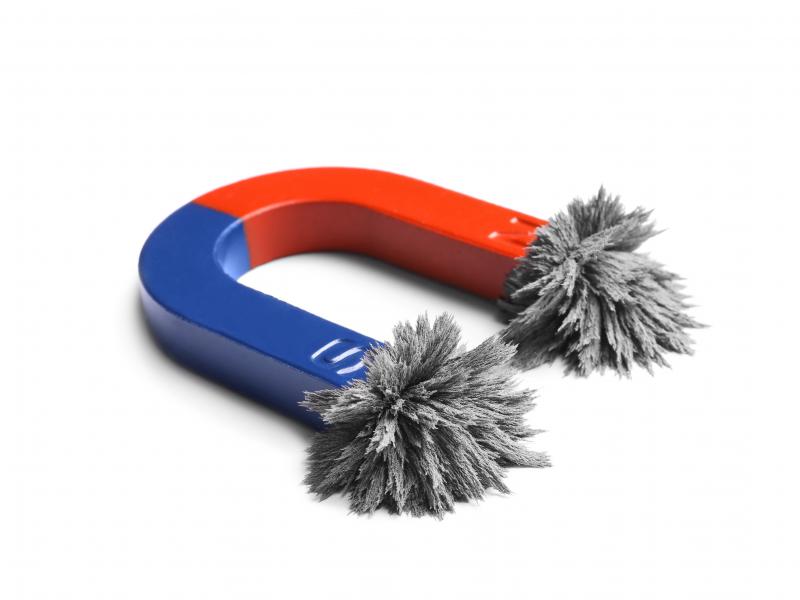
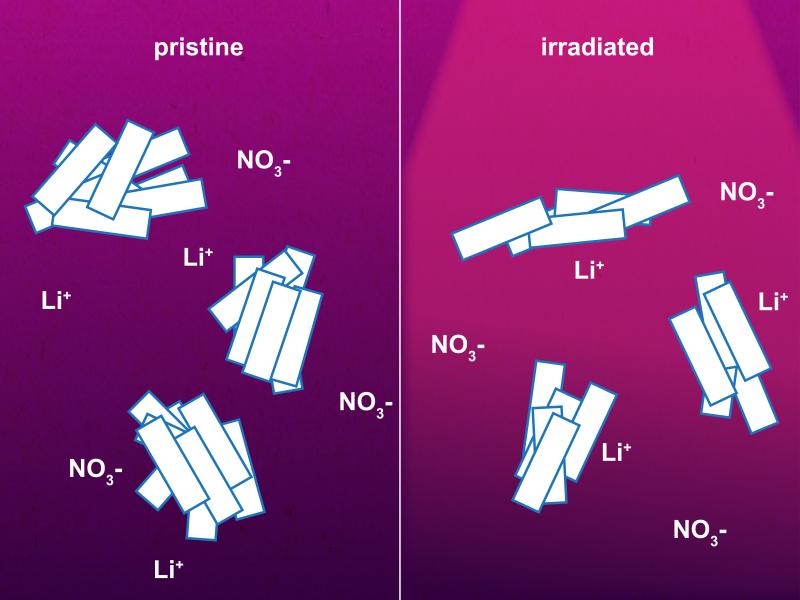
Resolving how nanoparticles come together is important for industry and environmental remediation. New work predicts nanoparticle aggregation behavior across a wide range of scales for the first time.
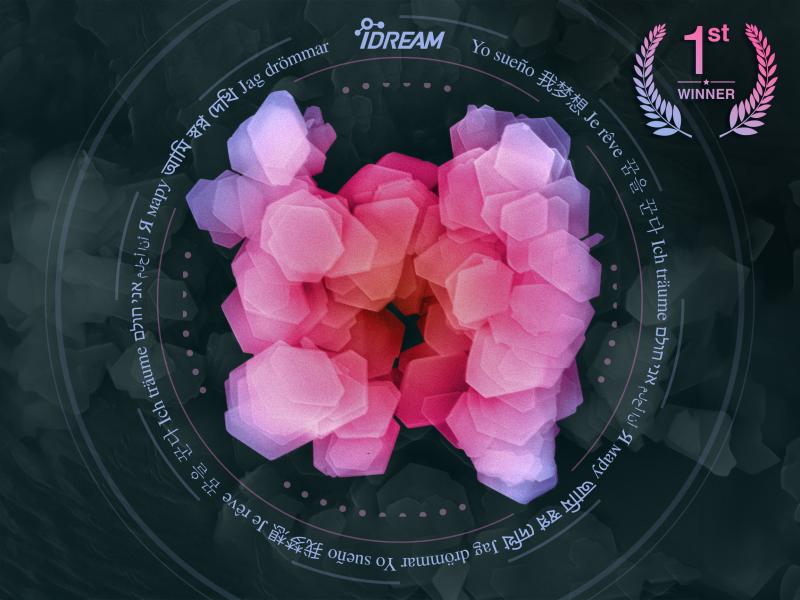
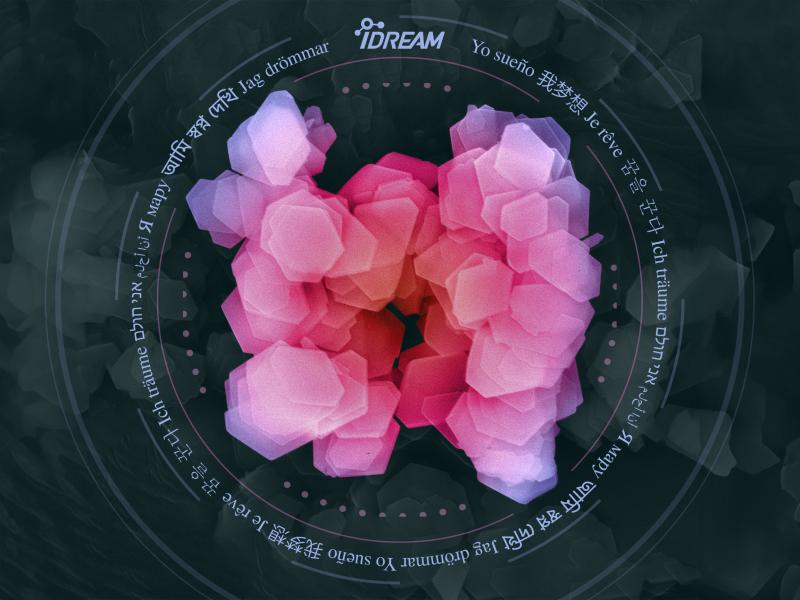
A poem inspired by radioactive tank waste—“Can a Scientist Dream it Alone?”—was awarded first place in the Department of Energy’s Poetry of Science Art Contest.
A new discovery by PNNL researchers has illuminated a previously unknown key mechanism that could inform the development of new, more effective catalysts for abating NOx emissions from combustion-engines burning diesel or low carbon fuel.
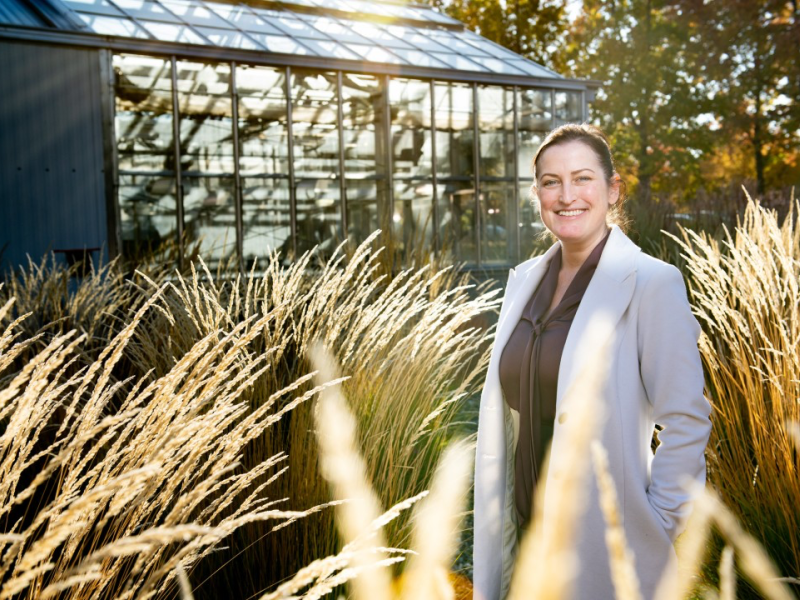
Corinne Fuller has been named the new co-director of the Bioproducts Institute, a research collaboration between Washington State University and PNNL, as of July 2023.
PNNL receives a 2023 Federal Laboratory Consortium Far West Regional Award for a technological innovation that could help make the U.S. a producer of critical minerals used in electronics and energy production.
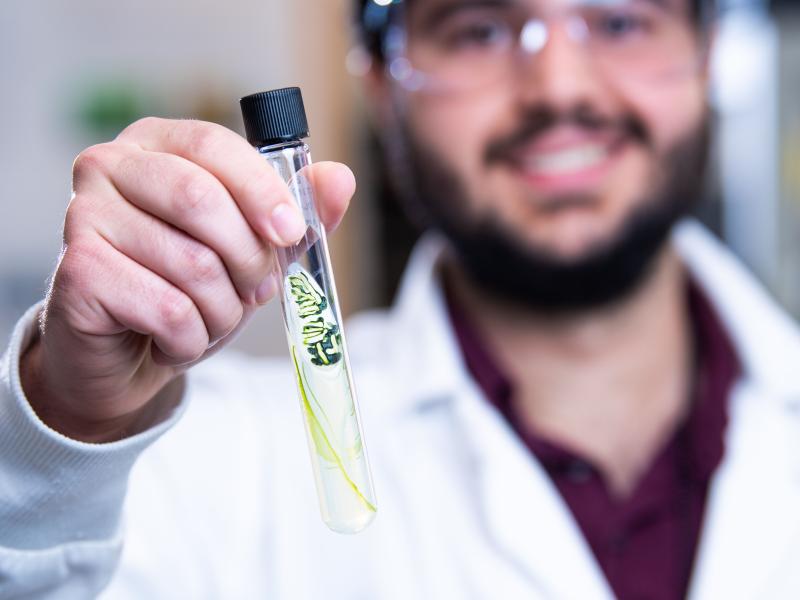
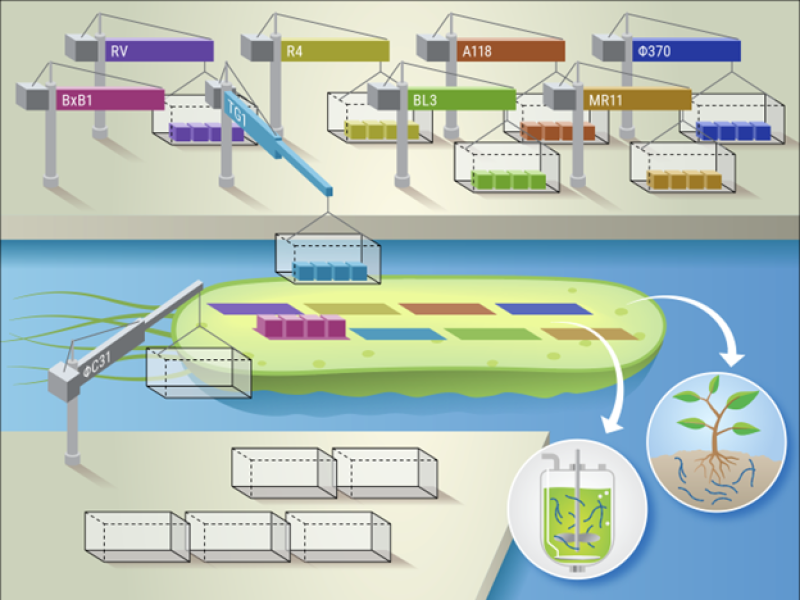
SAGE is a high-efficiency genome integration strategy for bacteria that makes the stable introduction of new traits simple for newly discovered microbes.
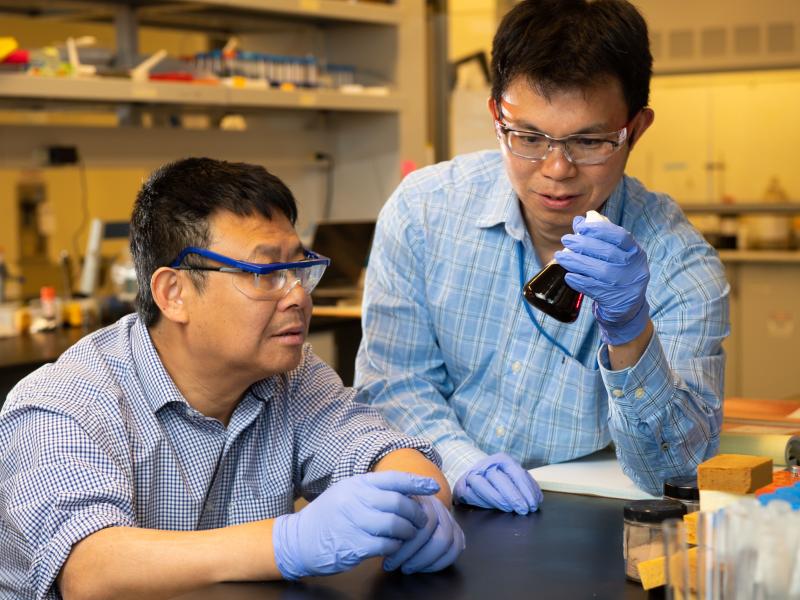
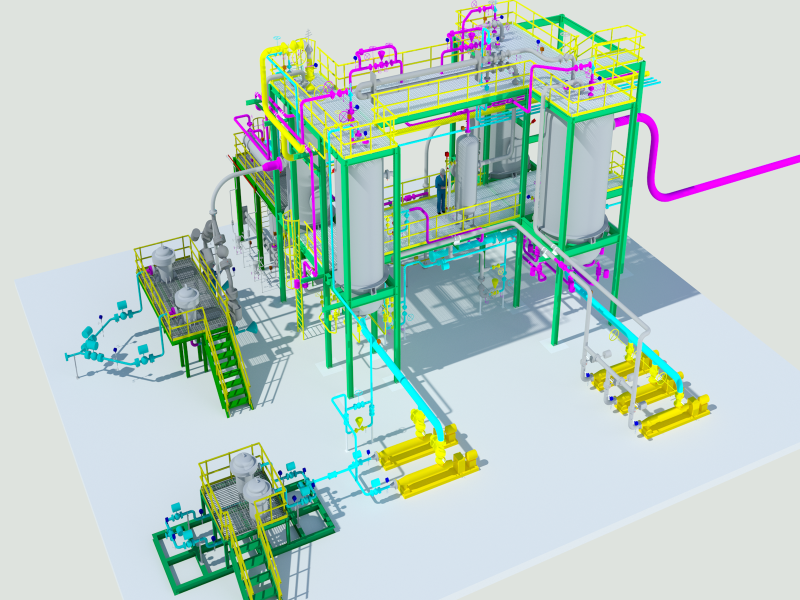
A PNNL innovation uses steam to recover heat from the high-temperature reactor effluent in the HTL process, substantially reducing the propensity for fouling and potentially reducing costs.