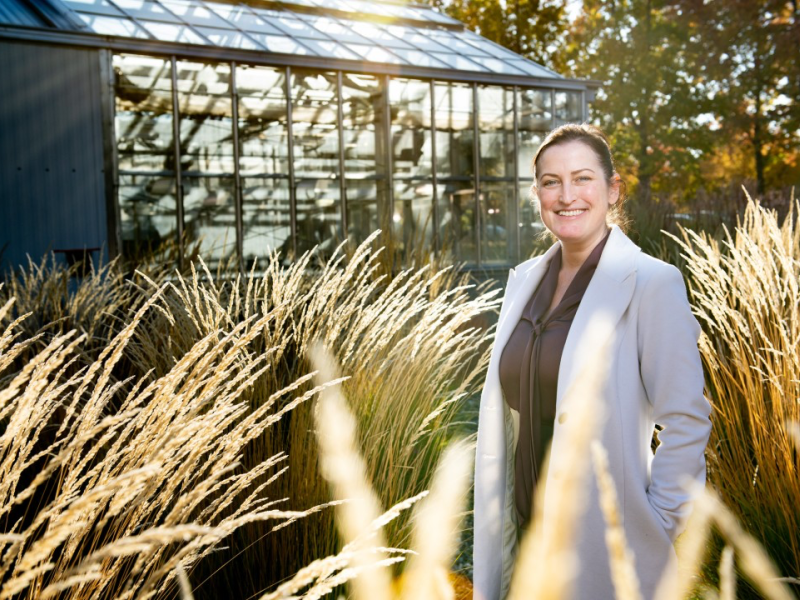
Corinne Fuller has been named the new co-director of the Bioproducts Institute, a research collaboration between Washington State University and PNNL, as of July 2023.
The Department of Energy’s Vehicle Technologies Office recently issued two awards to researchers at PNNL for their contributions to areas that are crucial for the expansion of electric vehicles.
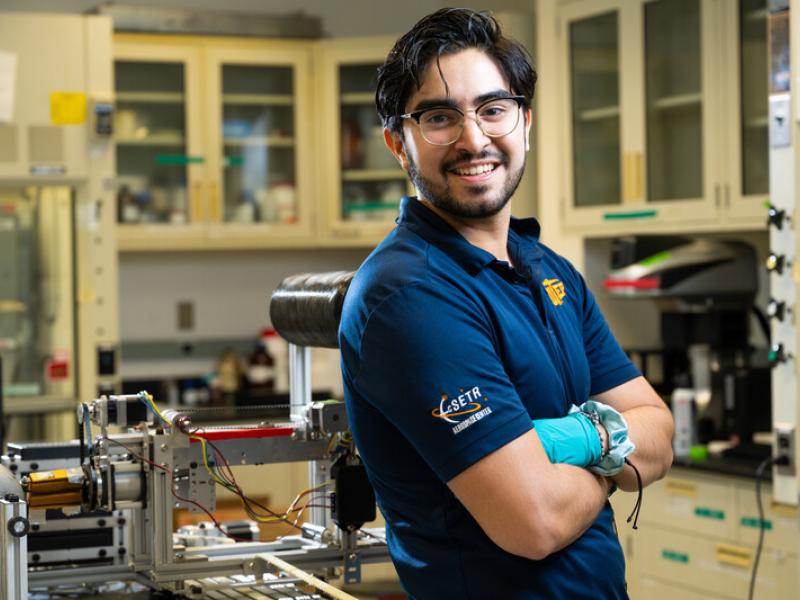
Summer is for science! PNNL’s interns are diving into science and technology and getting a front-row view of the research and development of a national laboratory.
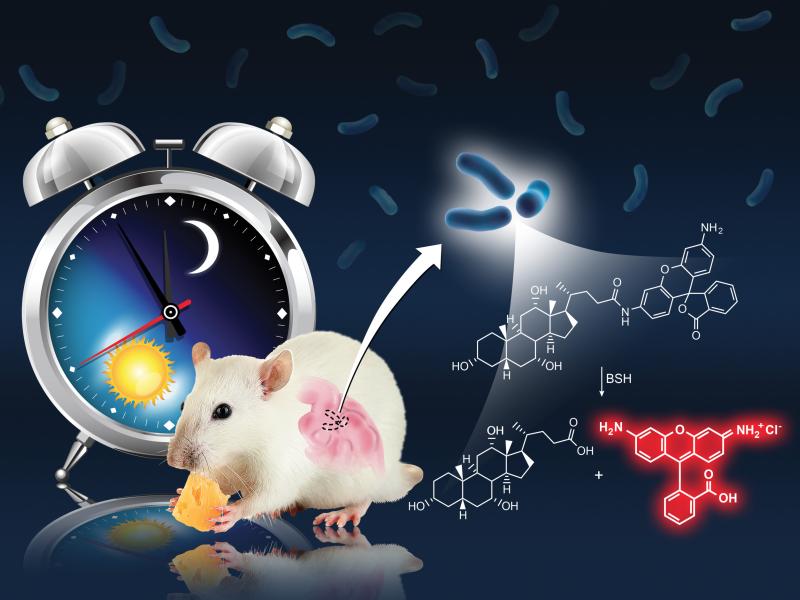
This study profiled the 24-hour rhythmicity in bile salt hydrolase enzyme activity using simple fluorescence assay and the results showed that this rhythmicity is influenced by feeding patterns of the host.
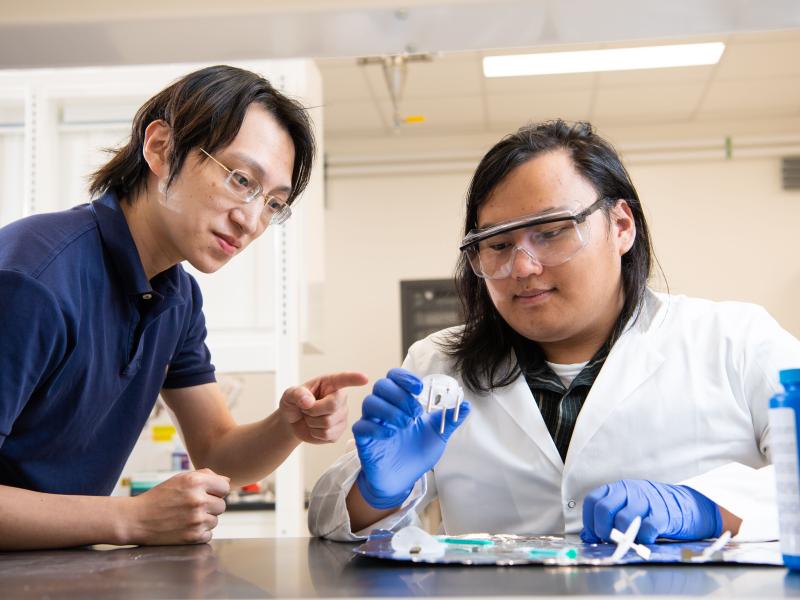
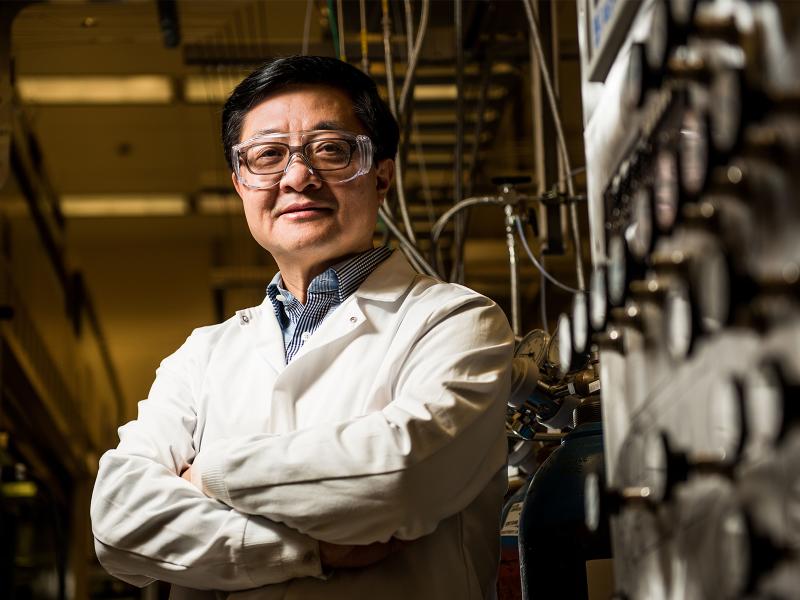
Chemical Engineer Yong Wang explains the influence and opportunity for joint appointments. Wang maintains one of the longest joint appointment tenures at PNNL.
New research from PNNL and Washington State University collaborators connects the microbiome in the gut to circadian rhythms, suggesting a role for the microbiome as an internal regulator.
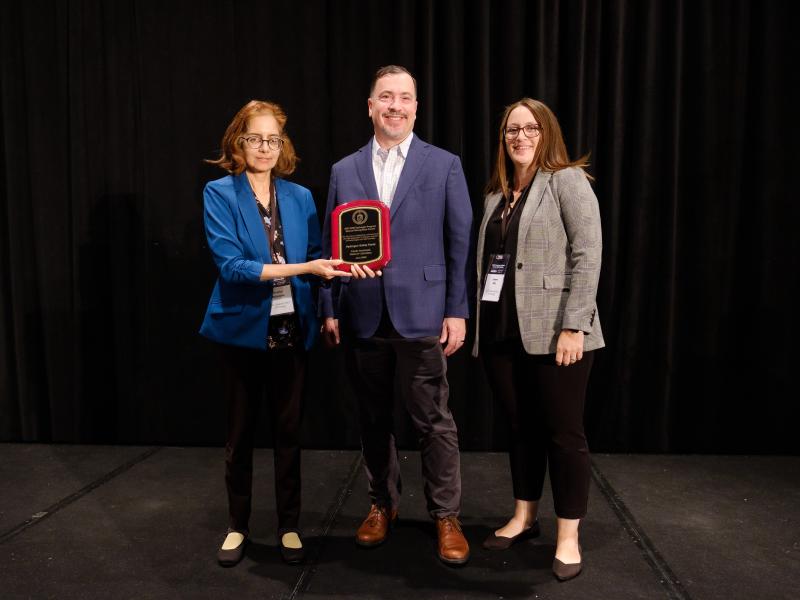
PNNL receives a 2023 Federal Laboratory Consortium Far West Regional Award for a technological innovation that could help make the U.S. a producer of critical minerals used in electronics and energy production.
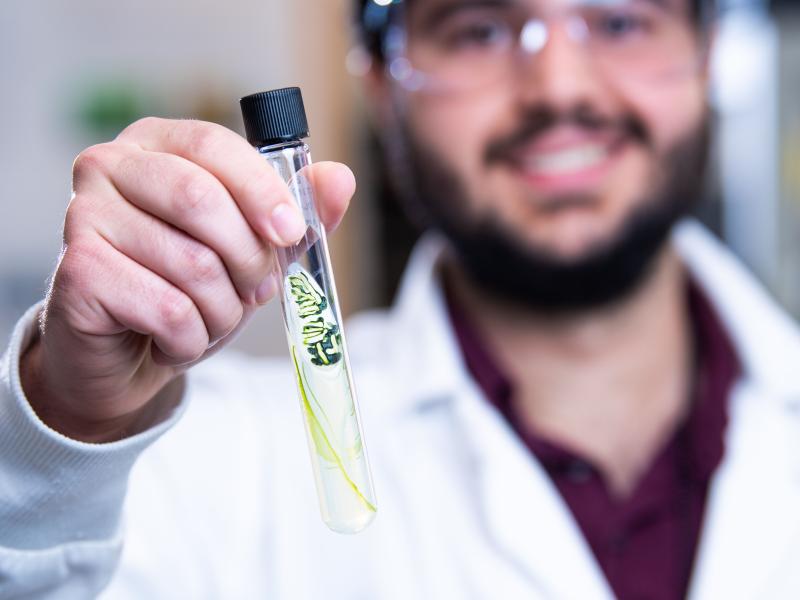
SAGE is a high-efficiency genome integration strategy for bacteria that makes the stable introduction of new traits simple for newly discovered microbes.
A PNNL innovation uses steam to recover heat from the high-temperature reactor effluent in the HTL process, substantially reducing the propensity for fouling and potentially reducing costs.