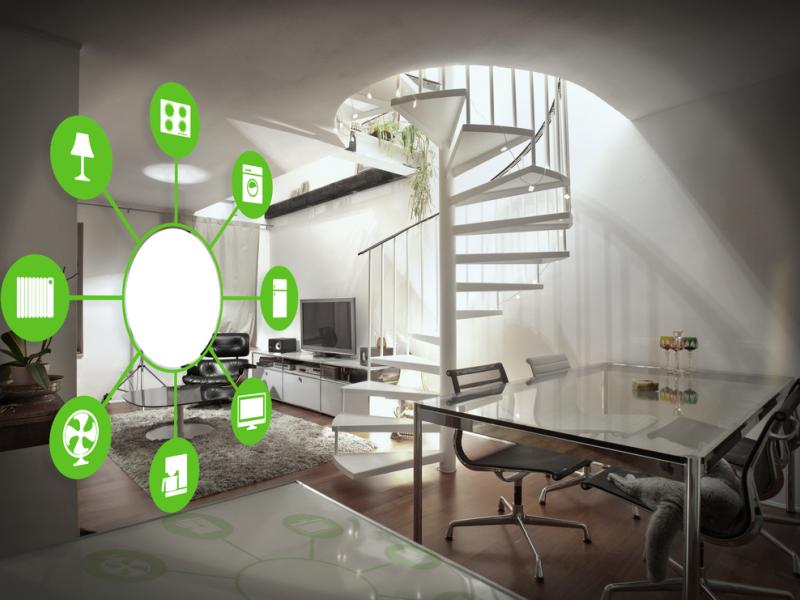
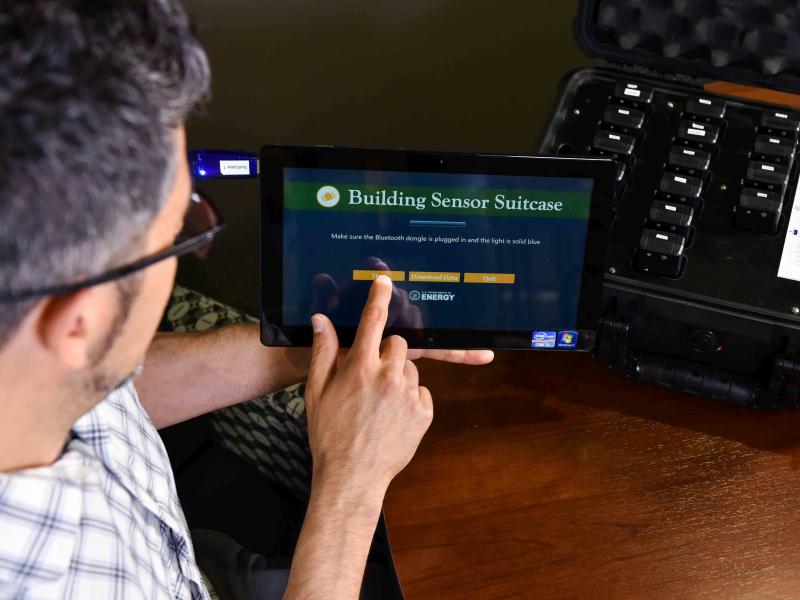
The first customized resource of its kind, H-BEST analyzes the indoor environmental quality profile for buildings and helps its users identify the costs and benefits of improvements.
For the second straight year, PNNL researchers are featured in a special edition of the Journal of Information Warfare. This issue explores the topic of macro cyber resiliency.
PNNL researchers Leo Fifield, Mike Larche, and Bishnu Bhattarai were recently elected to the board of the Institute of Electrical and Electronics Engineers Richland, Washington section.
Sentry-SECURE is a new communication and response platform developed by PNNL, VPI, and Microsoft Azure that rapidly and securely transfers radiological alarm data through the cloud.
Red teaming for CPS, the process of challenging systems, involves a group of cybersecurity experts to emulate end-to-end cyberattacks following a set of realistic tactics, techniques, and procedures.
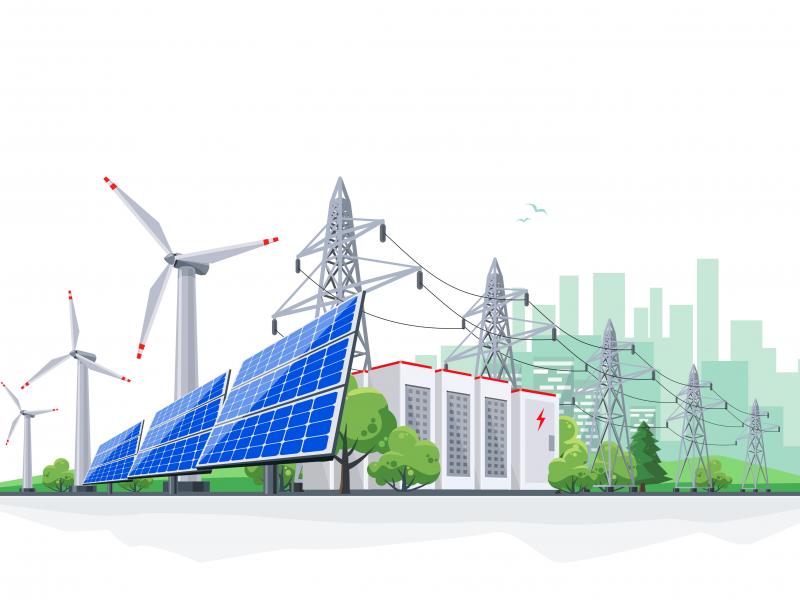
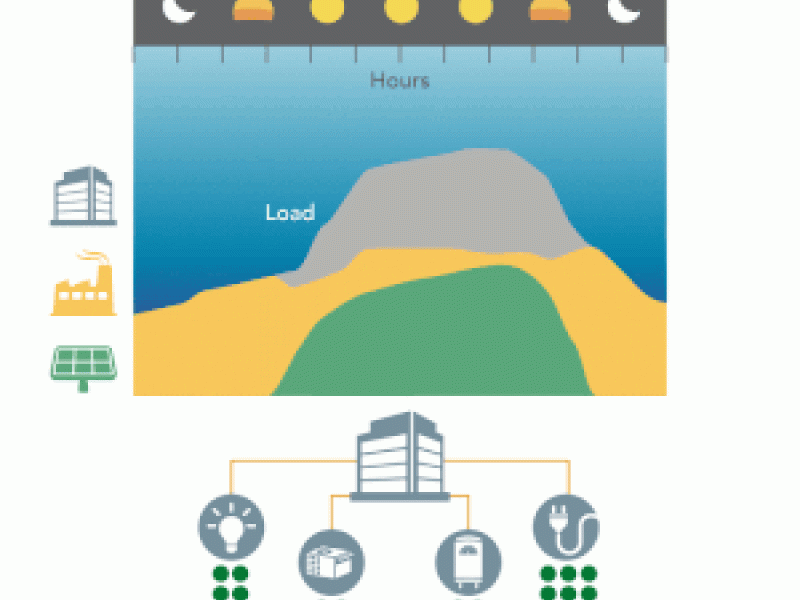
PNNL’s longstanding grid and buildings capabilities are driving two projects that test transactive energy concepts on a grand scale and lay the groundwork for a more efficient U.S. energy system.
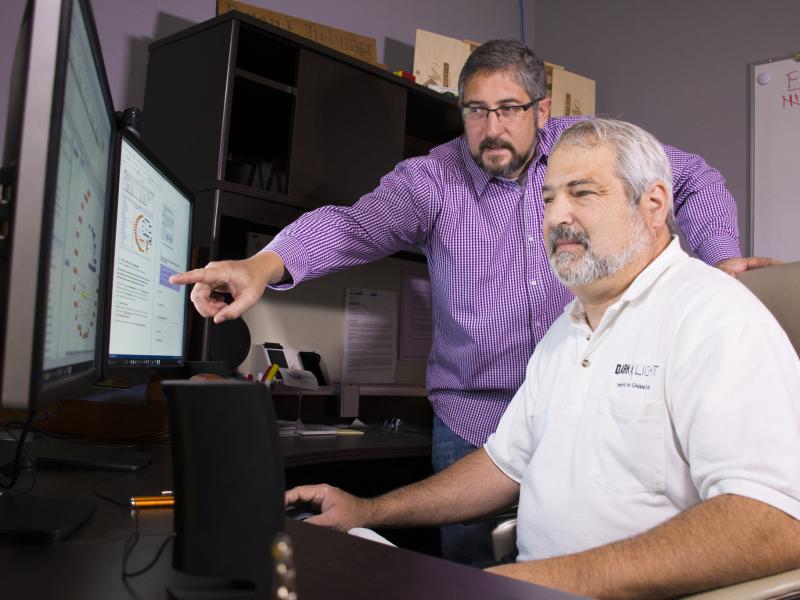
The PNNL-developed VOLTTRON™ software platform’s advancement has benefited from a community-driven approach. The technology has been used in buildings nationwide, including most recently on a university campus.
PNNL engineer Srinivas Katipamula was recognized by the American Council for an Energy-Efficient Economy with a 2020 Champion of Energy Efficiency Award.
Contributions from researchers across Pacific Northwest National Laboratory (PNNL) were recently recognized in the preliminary findings of a Secretary of Energy Advisory Board (SEAB) report.
Four researchers from PNNL were recently honored for contributing to two U.S. Department of Energy Office of Energy Efficiency and Renewable Energy initiatives that support the blue economy and building-grid integration.
PNNL's Sensor Fish were deployed at Ice Harbor Dam to collect data from a new turbine. The data indicates the design changes are making travel through the dam less arduous for fish.
PNNL’s Srinivas Katipamula and Nora Wang have received a Northwest Energy Efficiency Alliance award for contributing to the success of Seattle’s Building Tune-Up Accelerator Program.
A PNNL technology enables automated Economic Dispatch, which coordinates the use of energy in a manner that enhances distributed generation, efficiency, renewables, and grid reliability.
PNNL researchers Jianming Lian, Karanjit Kalsi, joint appointee Wei Zhang, and former PNNL intern Sen Li recently received a patent for a market mechanism consisting of novel bidding and clearing strategies.