Featured Stories
March 26, 2026
AI Effort Moves from Novelty to Front Lines of National Lab’s Cyber Protection
March 23, 2026
New AI Bot Offers Speedy, Revenue-Saving Building Energy Modeling
March 24, 2026
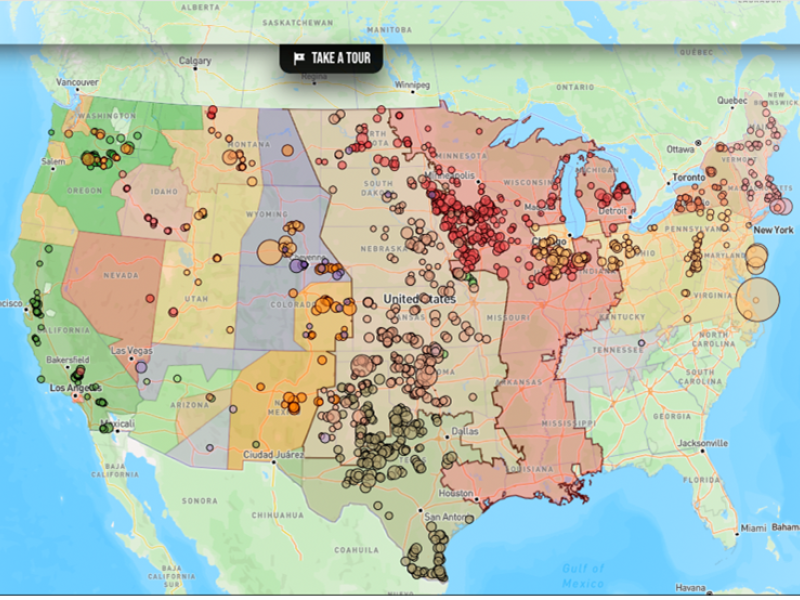
Wildfire Mitigation Plan Database Now Includes AI
March 18, 2026
PNNL’s Electron Microscopy and Vapor Detection Technologies Win Federal Laboratory Consortium Awards
Subscribe
to receive PNNL
news by email:


Latest Stories
209 results found
Filters applied: Graph and Data Analytics, Biofuels & Bioproducts, Threat Analysis