PNNL is highlighting scientific and technical experts in the national security domain who were recently promoted to scientist and engineer Level 5, one of PNNL’s most senior research roles.
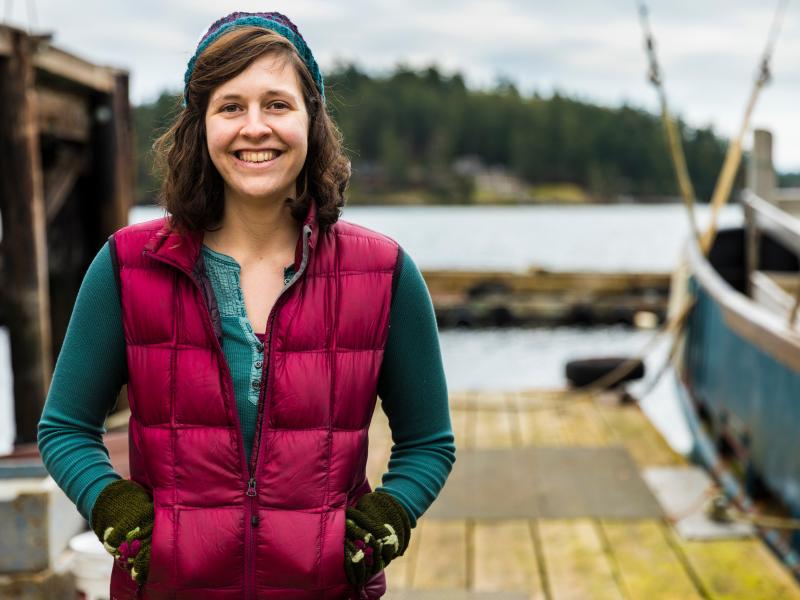
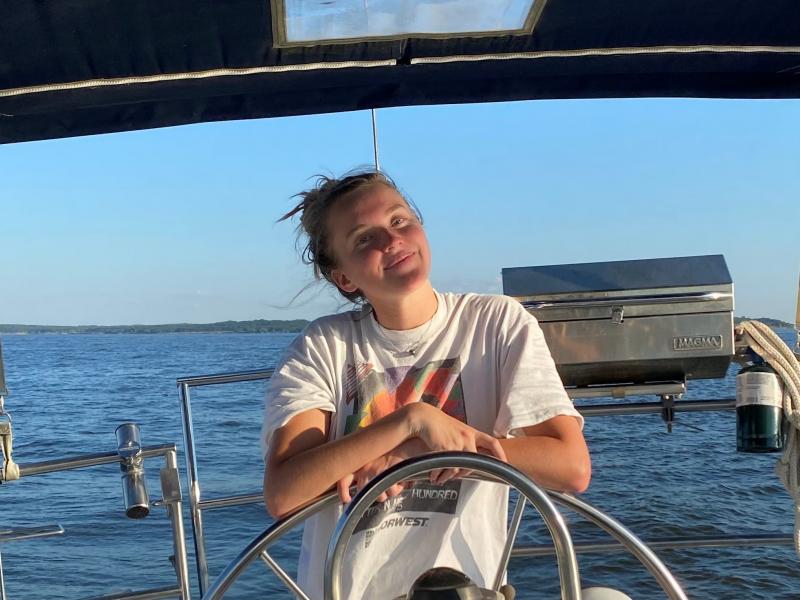
Molly Grear, an ocean engineer in the Coastal Sciences Division at PNNL, recently helped middle school summer science camp students from Blatchley Middle School in Sitka, Alaska, design their own energy wave converters.
PNNL has received 119 R&D 100 Awards since 1969, when the laboratory began submitting entries in the contest that recognizes top 100 inventions each year.
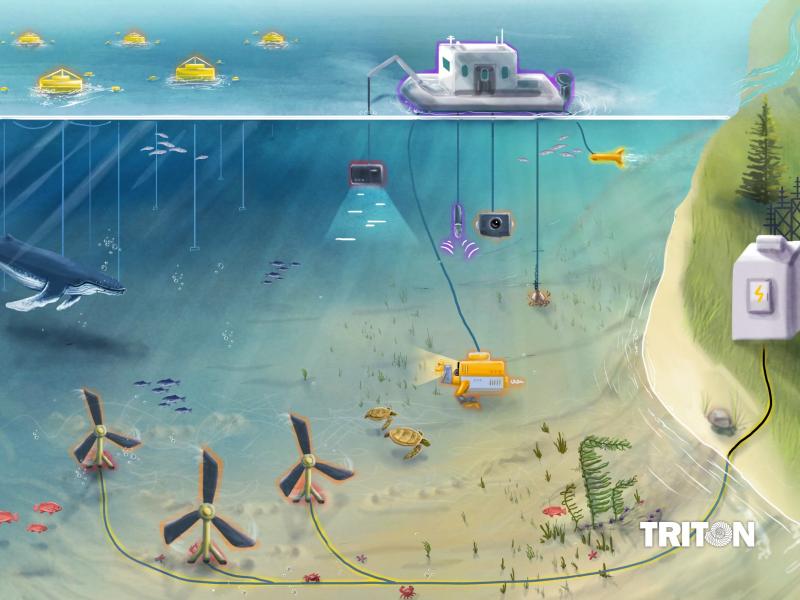
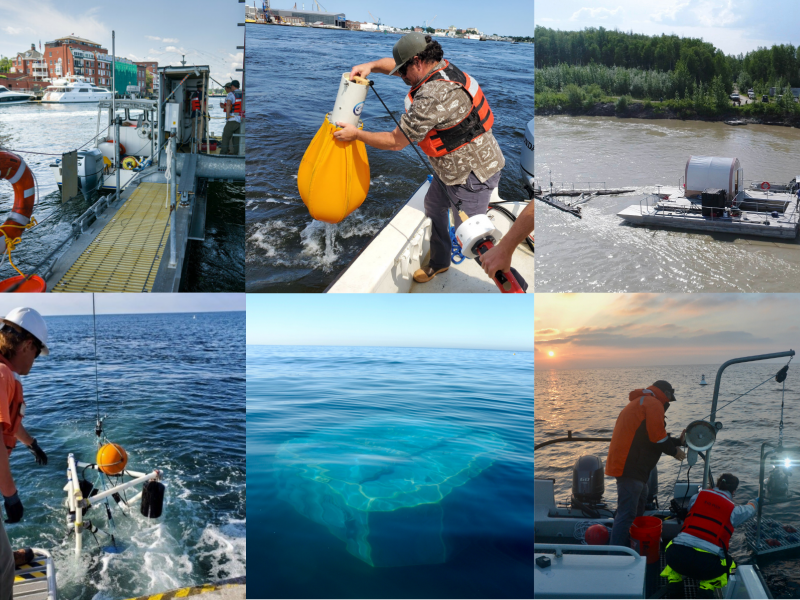
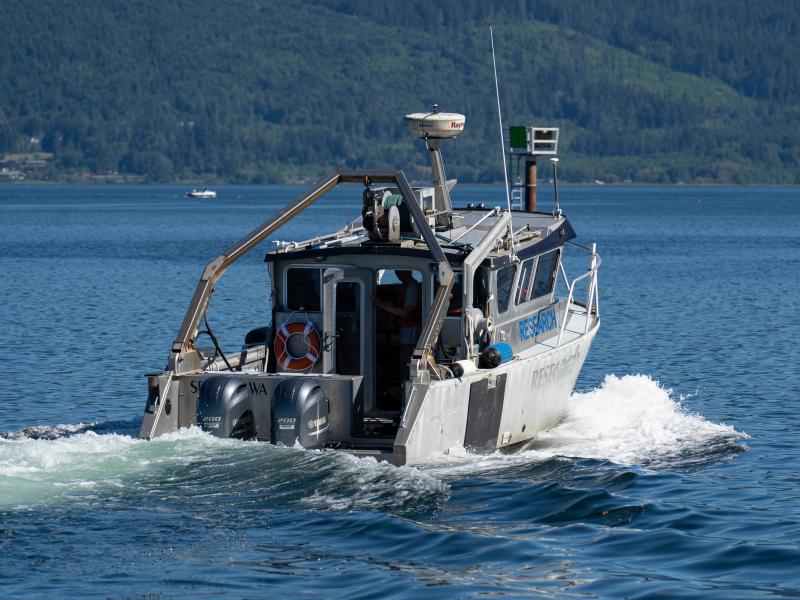
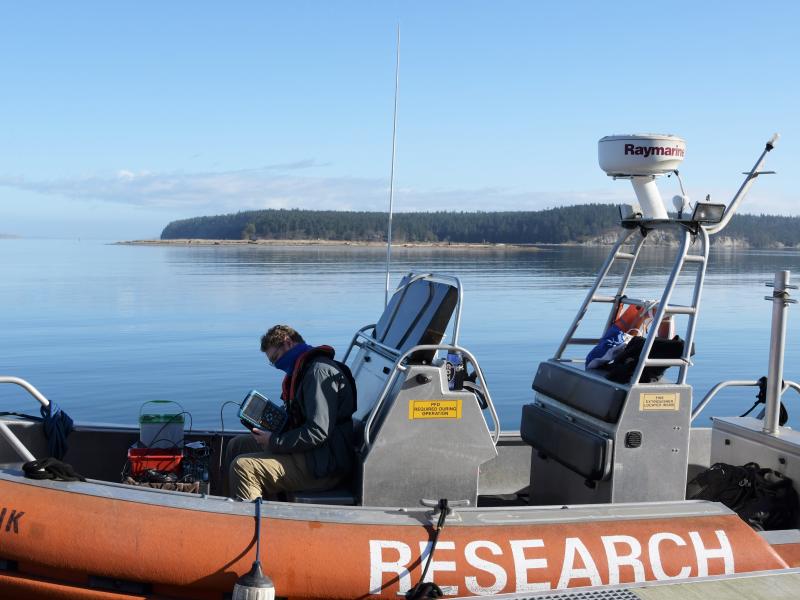
The Triton Initiative supports projects funded through U.S. Department of Energy funding opportunity announcements developing environmental monitoring technologies for marine energy.
A team of PNNL researchers are looking at how to evaluate robustness and accountability, fairness, and transparency of artificial intelligence models used to detect and quantify deceptive content online.
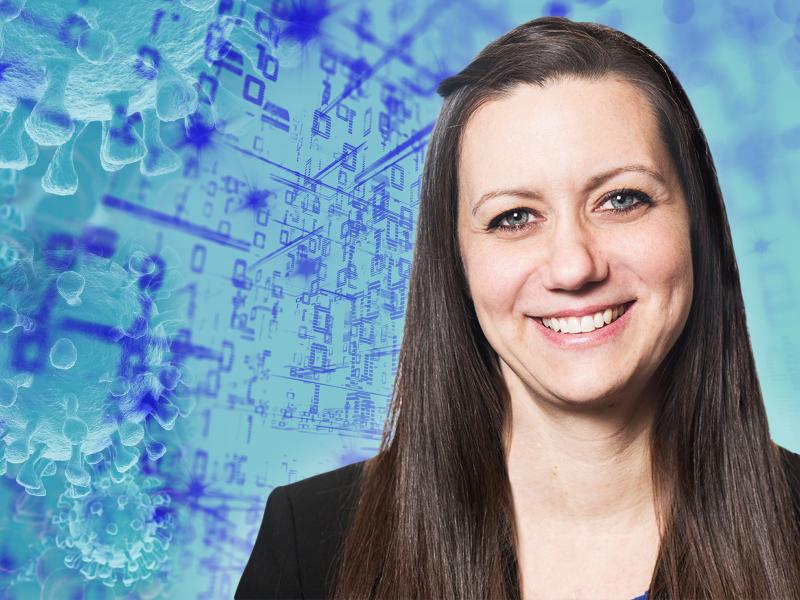
A Q&A with Lauren Charles, veterinarian and PNNL data scientist, on zoonotic diseases and the role biosurveillance plays in mitigating the growing threat to global health.
More than 30 PNNL interns contributed to the Airport Risk Assessment Model, a web-based tool that helps airport security stakeholders prioritize resource allocations.
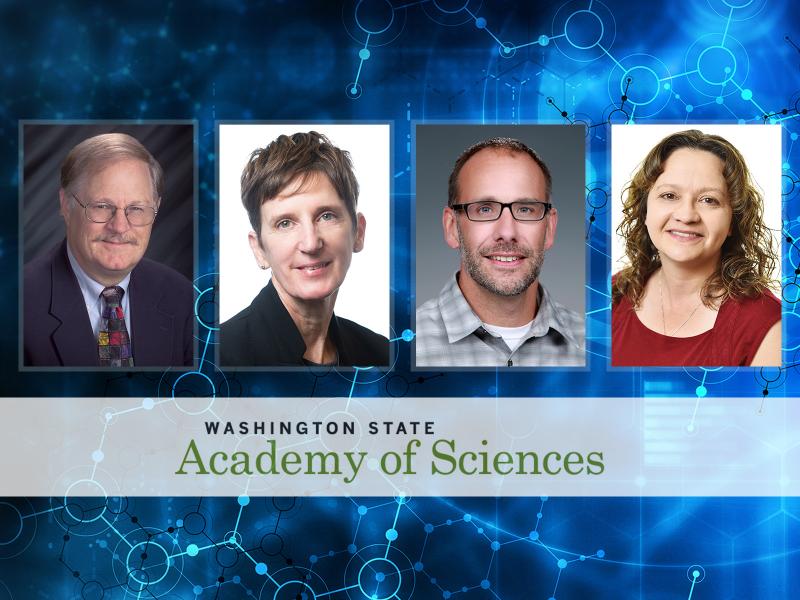
The Washington State Academy of Sciences consists of more than 300 elected members who are nationally recognized for their scientific and technical expertise.
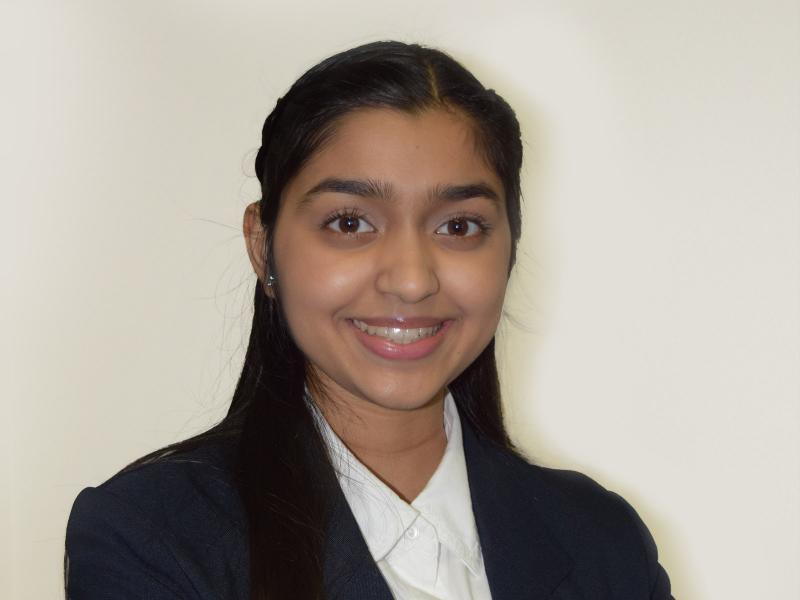
Cailene Gunn discusses her work in science communication and how she communicates the Triton Initiative's research to help advance the marine energy industry.
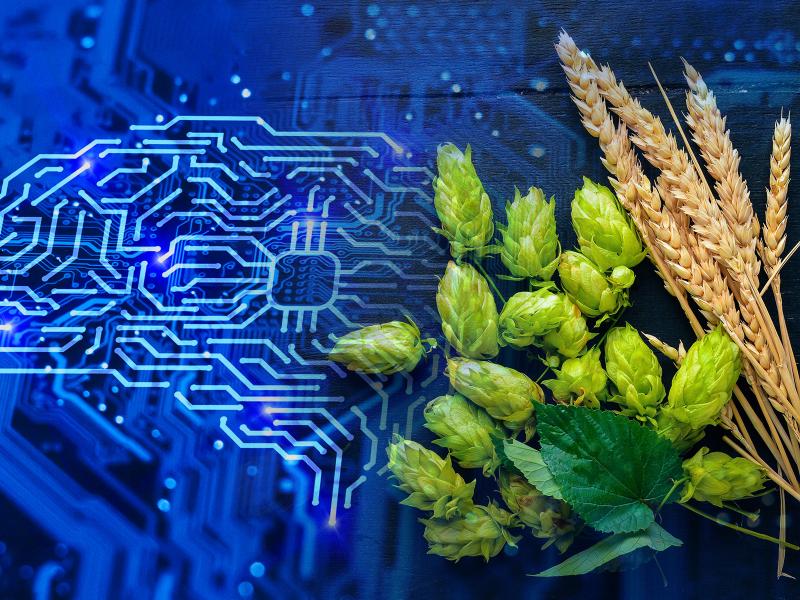
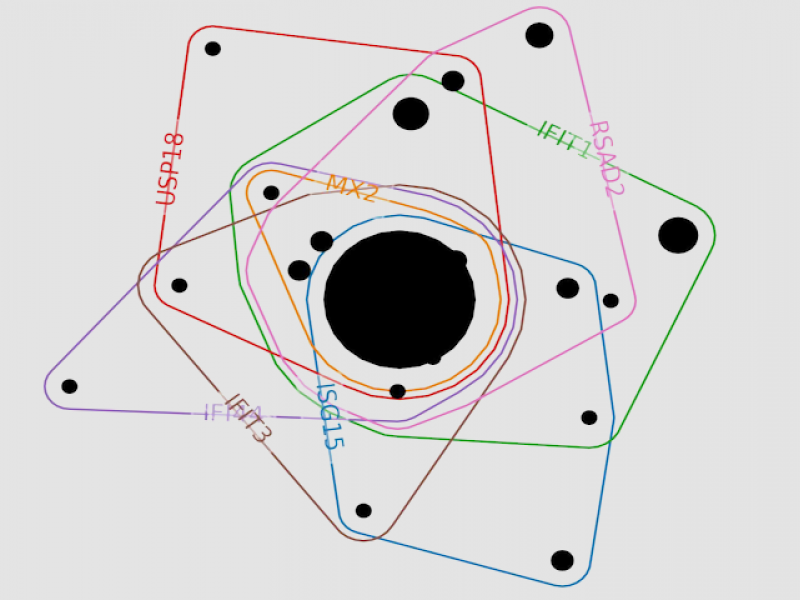
Machine learning techniques are accelerating the development of stronger alloys for power plants, which will yield efficiency, cost, and decarbonization benefits.
Svitlana Volkova, chief scientist for decision intelligence and analytics at PNNL, was invited as a panelist at the SIAM International Conference on Data Mining