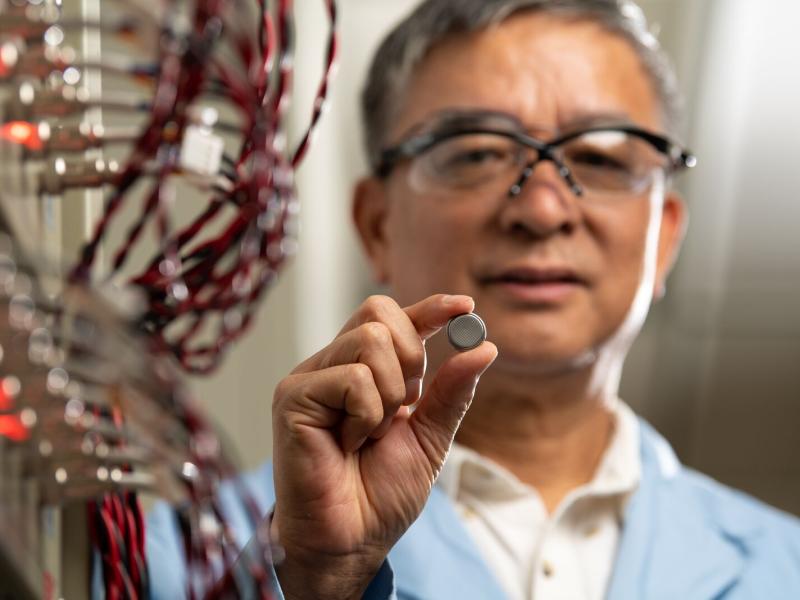
A new longer-lasting sodium-ion battery design is much more durable and reliable in lab tests. After 300 charging cycles, it retained 90 percent of its charging capacity.
Top scientists and officials from government, academia, Alaskan Native communities, and industry are heading to Alaska to focus on driving energy technologies for a more sustainable Arctic region.
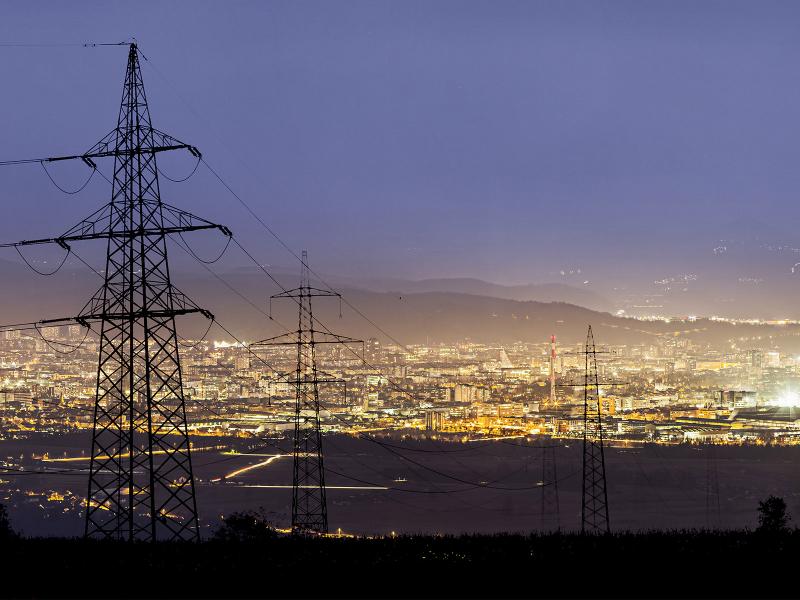
Recognizing how innovation and clean technologies at the very edge of the grid can work together to transition the electricity system, PNNL takes a multidisciplinary approach to advancing and integrating renewable energy solutions.
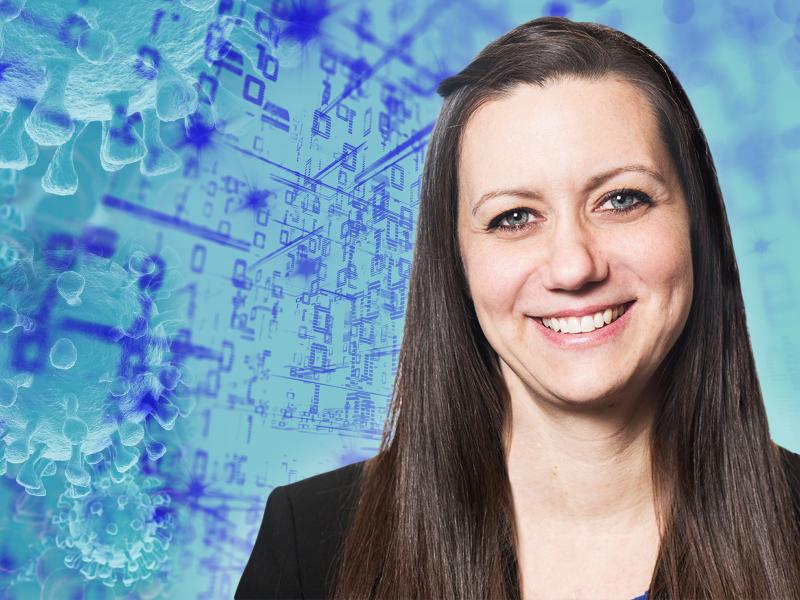
Anika Halappanavar’s research into COVID-19 misinformation earned her recognition by the Washington State Academy of Sciences as one of the state’s top high school researchers.
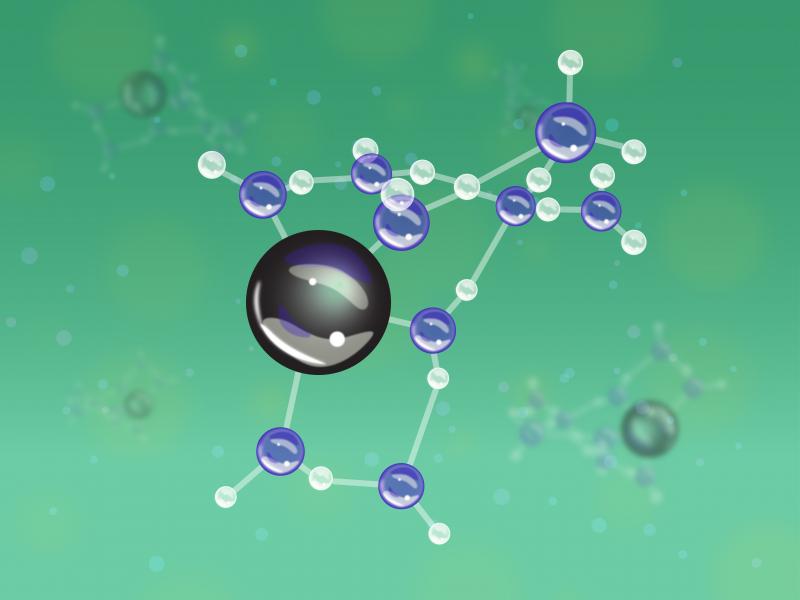
PNNL scientists partnered with colleagues at the University of Akron to create a new molecule that could substantially improve the electrochemical stability of redox flow batteries.
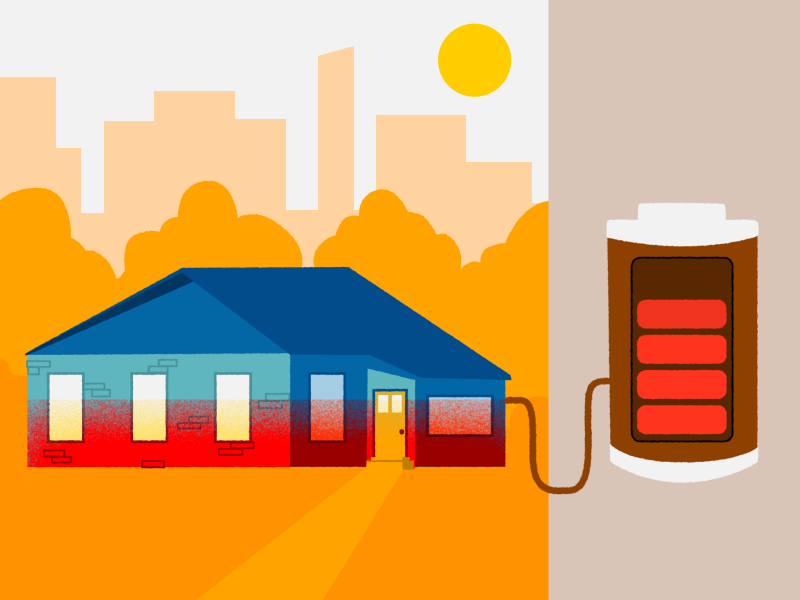
The Energy Storage for Social Equity Initiative will help up to 15 disadvantaged communities consider energy storage technologies to meet local energy goals.
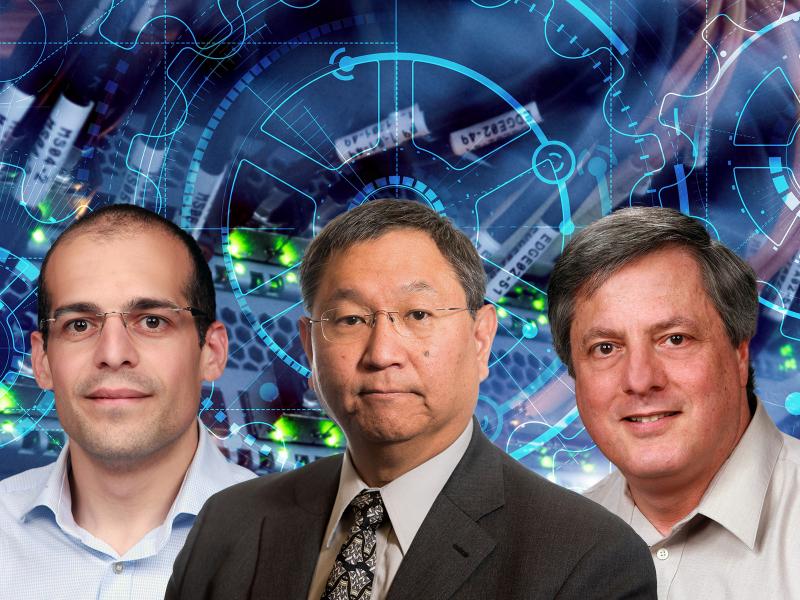
PNNL is highlighting scientific and technical experts in the national security domain who were recently promoted to scientist and engineer Level 5, one of PNNL’s most senior research roles.
A team of PNNL researchers are looking at how to evaluate robustness and accountability, fairness, and transparency of artificial intelligence models used to detect and quantify deceptive content online.