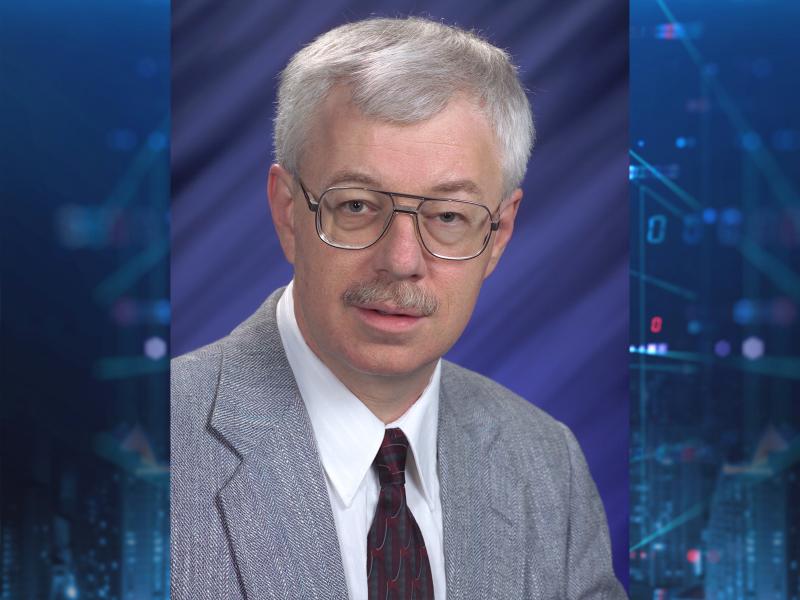
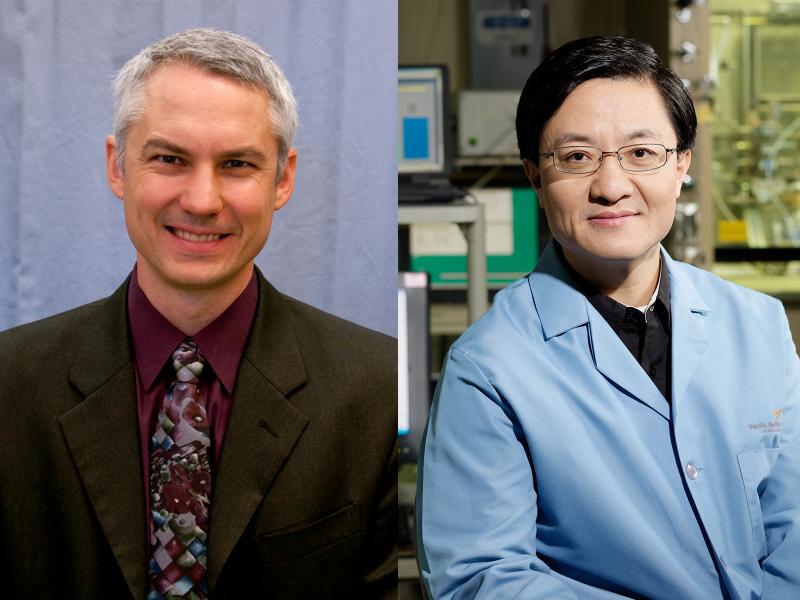
The American Society for Quality (ASQ) has recognized Laboratory Fellow and Pacific Northwest National Laboratory (PNNL) Statistician Greg Piepel with the William G. Hunter Award.
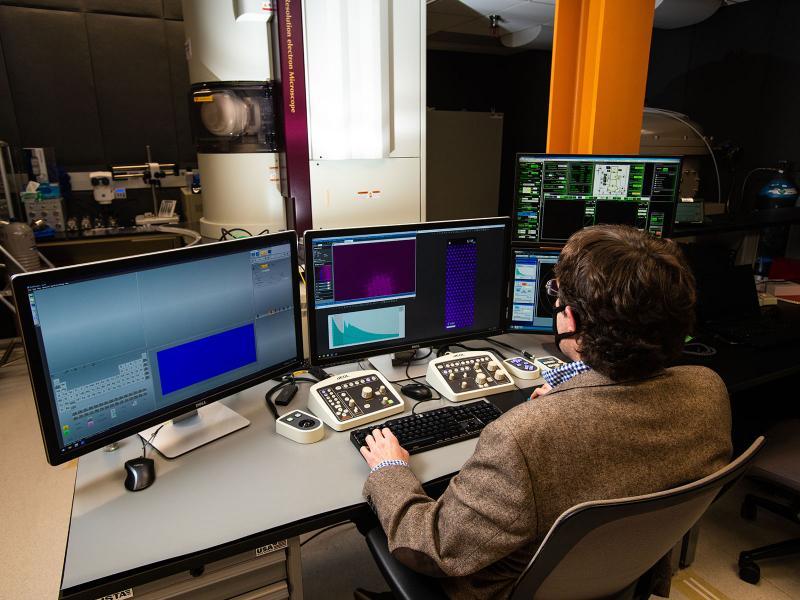
An international team used PNNL microscopy to answer questions about how uranium dioxide—used in nuclear power plants—might behave in long-term storage.
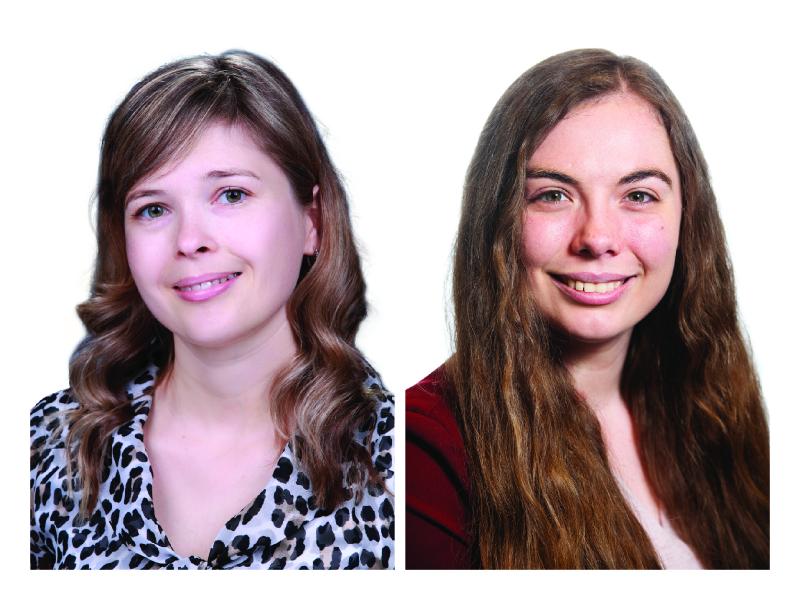
PNNL data scientists Maria Glenski and Svitlana Volkova have contributed a chapter to a book titled Disinformation, Misinformation, and Fake News in Social Media: Emerging Research Challenges and Opportunities.
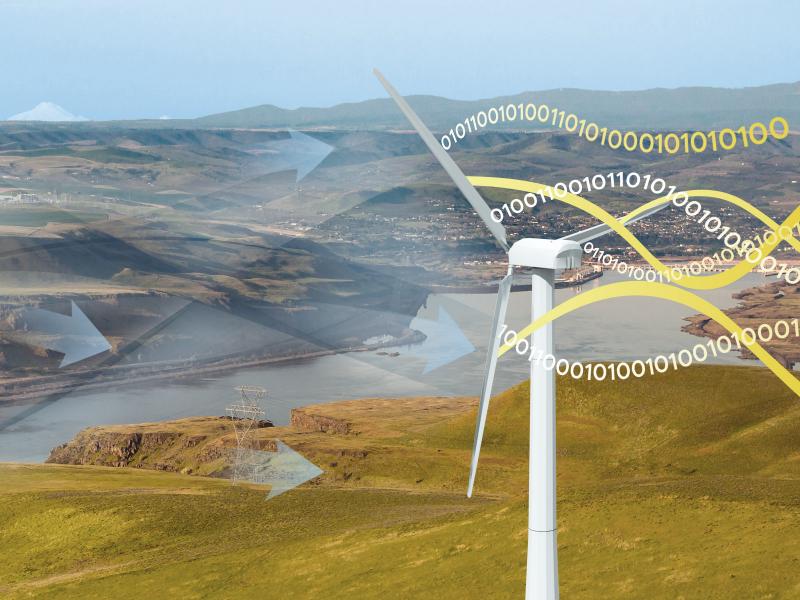
PNNL is managing the Data Archive and Portal, which provides the wind research community with secure, timely, easy, and open access to all data brought in from research under DOE’s Atmosphere to Electrons program.
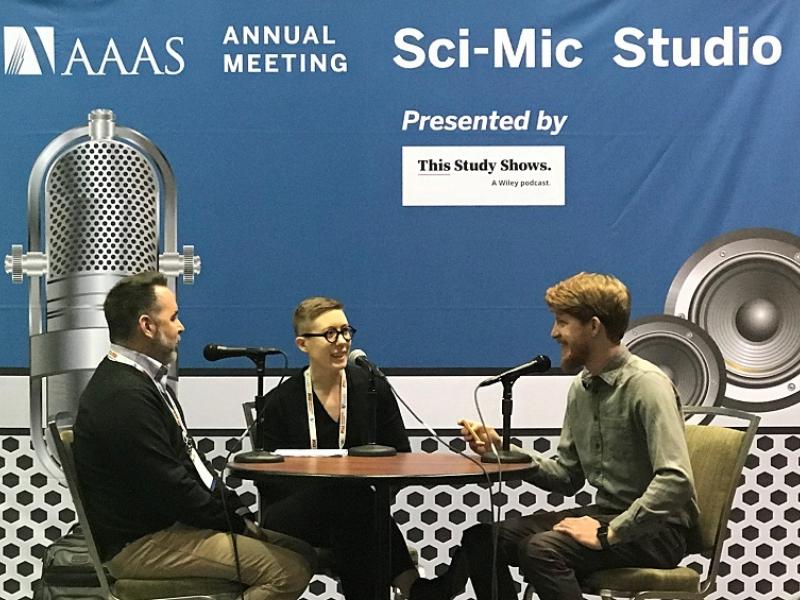
Two PNNL team members, Courtney Corley, a data scientist, and Kyle Bingman, an advisor on assured artificial intelligence (AI), were featured on a recent episode of the U.S. Department of Energy Direct Currents podcast.
Ten staff members from PNNL were invited to attend and lead the various breakout sessions at the Department of Energy Office of Science 5G Enabled Energy Innovation Workshop (5GEEIW), which was held in early March.
Two PNNL researchers are helping define the future of transparency and accountability for public and private use of autonomous and intelligent systems.
Researchers adding water to the surface of alumina measured some surprising results that raise important questions regarding the fundamental reactions that govern chemical transformations of aluminum oxides and hydroxides.
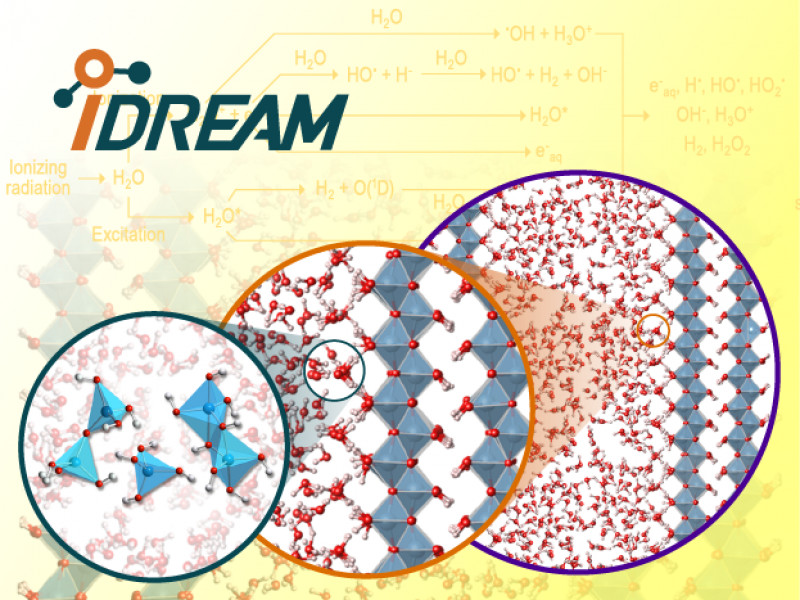
Scientists at the Interfacial Dynamics in Radioactive Environments and Materials (IDREAM) sort out which compounds are present and their concentrations, providing an important new tool with broad applicability.
Verizon recently announced a partnership that will make Pacific Northwest National Laboratory the U.S. Department of Energy’s first national laboratory with Verizon 5G ultra wideband wireless technology.