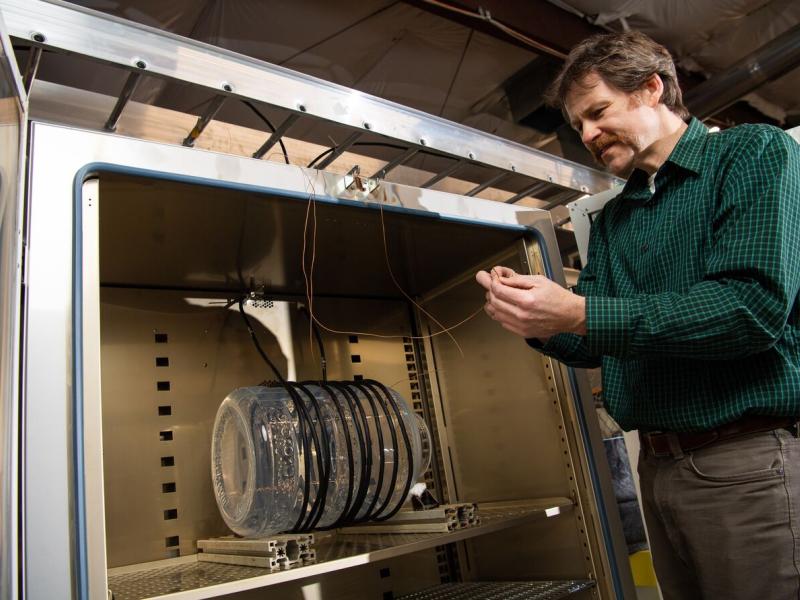
PNNL’s ARENA test bed analyzes how electrical cables degrade in extreme environments and how nondestructive examination inspection technologies can detect and locate damage.
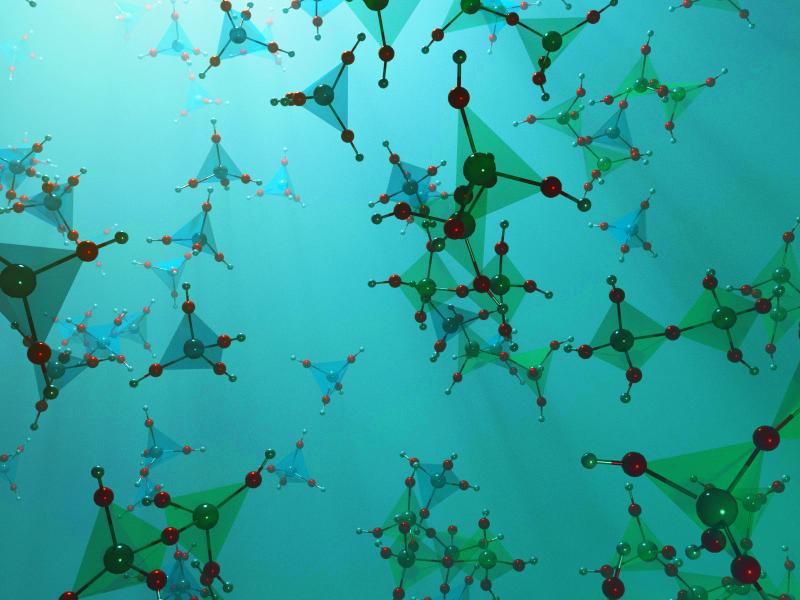
To overcome high-performance computing bottlenecks, a research team at PNNL proposed using graph theory, a mathematical field that explores relationships and connections between a number, or cluster, of points in a space.
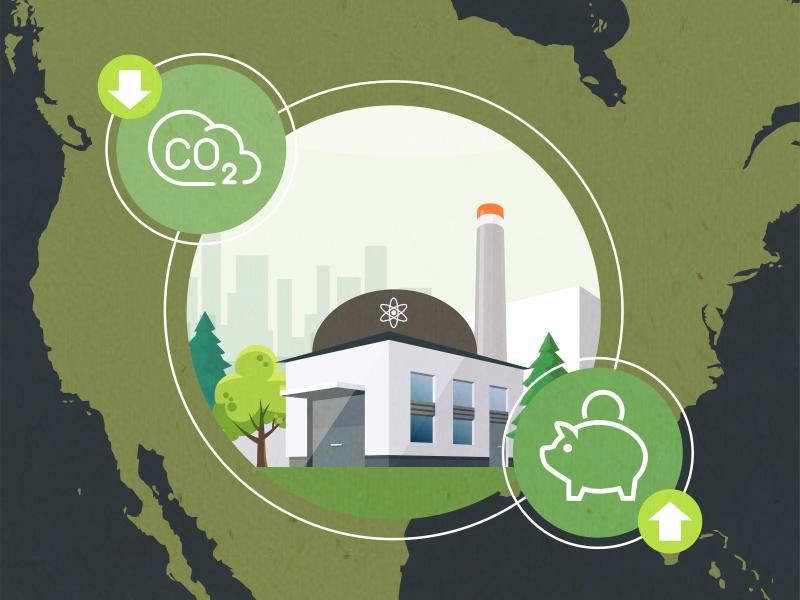
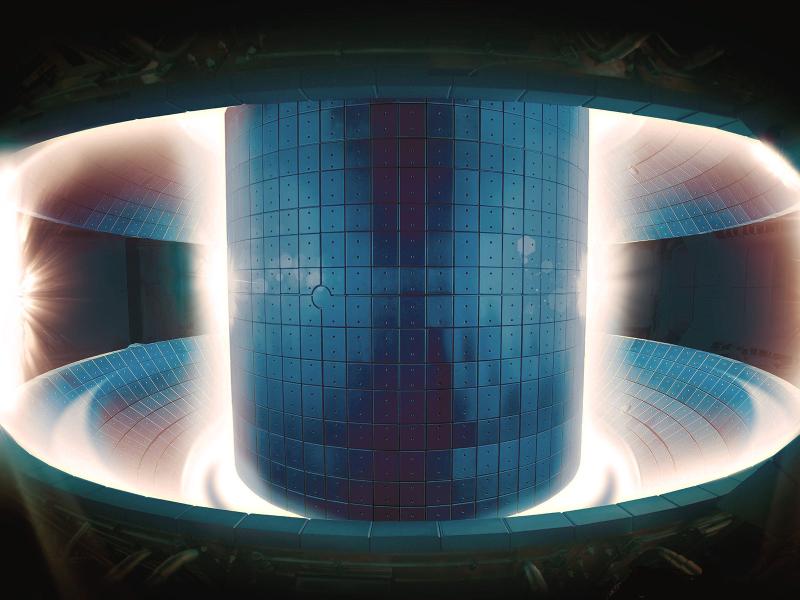
As the world races to discover solutions for reaching net zero carbon emissions, a PNNL analysis quantifies the economic value of the existing nuclear power fleet and its carbon-free energy contributions.
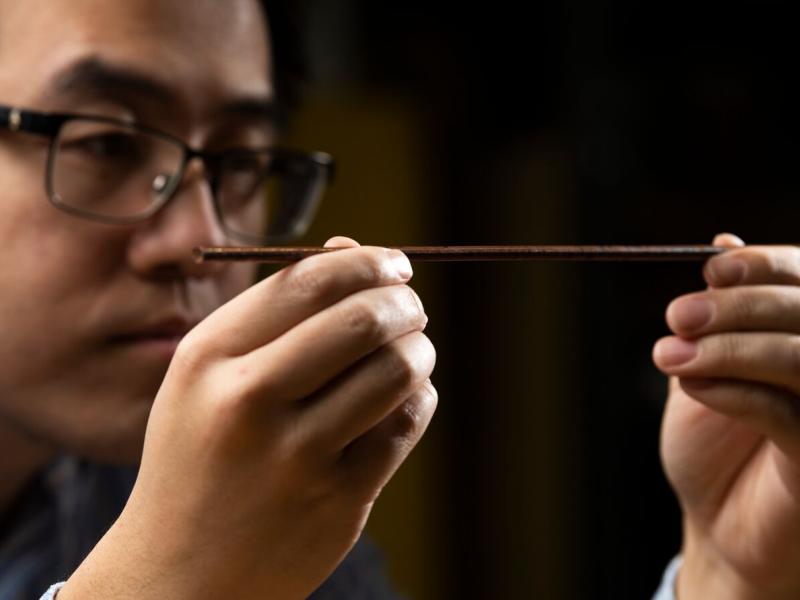
Research published in Journal of Manufacturing Processes demonstrates innovative single-step method to manufacture oxide dispersion strengthened copper materials from powder.
To thwart pathogens, researchers in the epidemiology field of infectious disease (ID) prediction are continuously trying to forecast when, where, and how an ID event will occur.
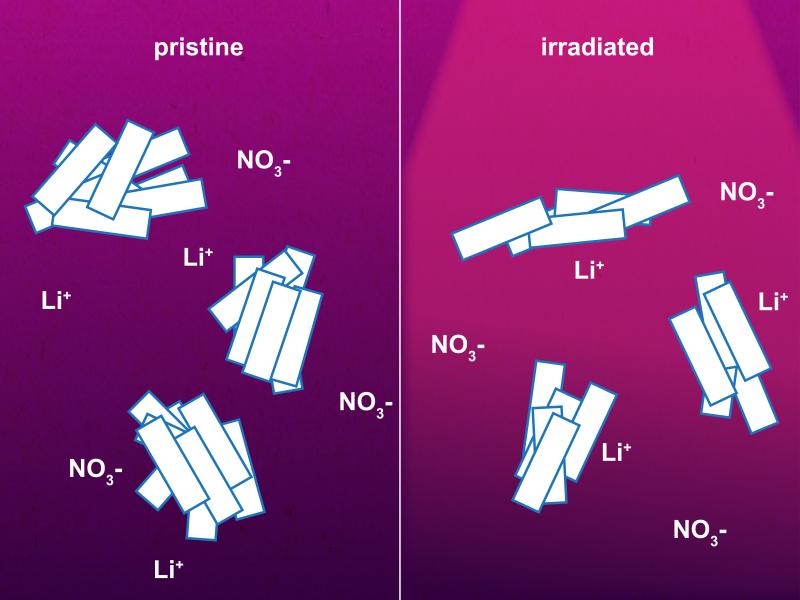
Advancing the science of radiation, especially among students at minority-serving institutions, is the goal of one of the Department of Energy’s newest consortia.
PNNL gathered researchers from eight national laboratories plus the U.S. Department of Energy (DOE) to share ideas and build synergy at the Energy Equity and Environmental Justice Summit.