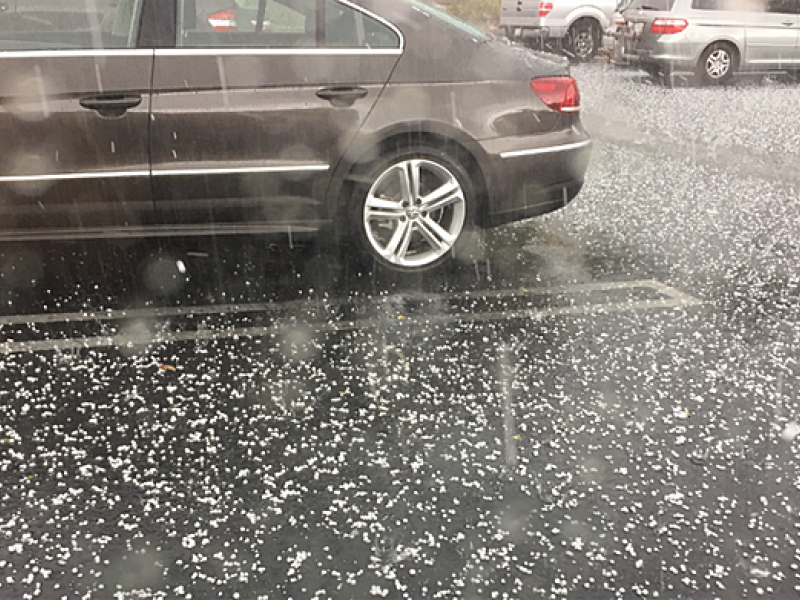
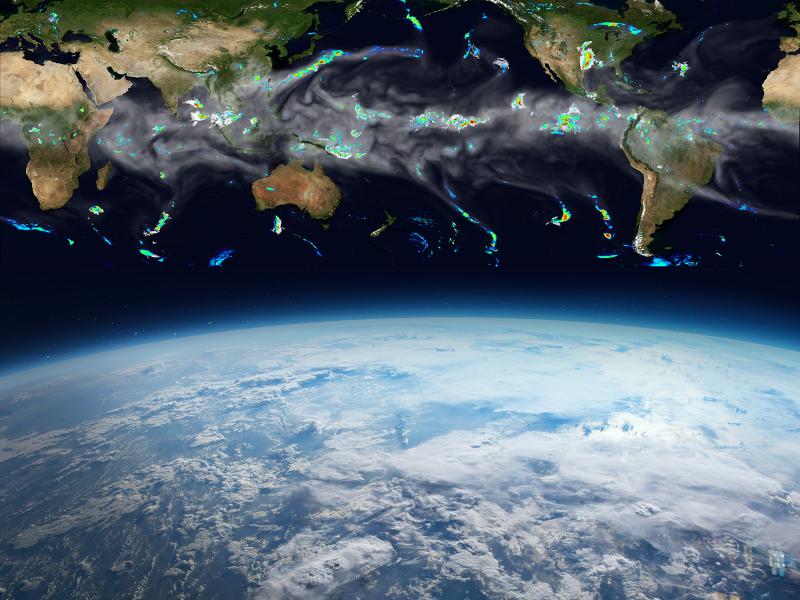
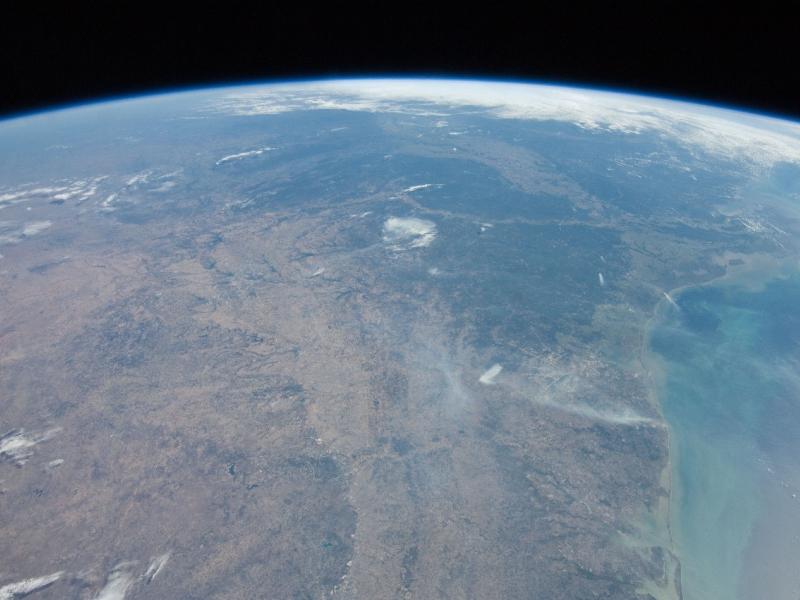
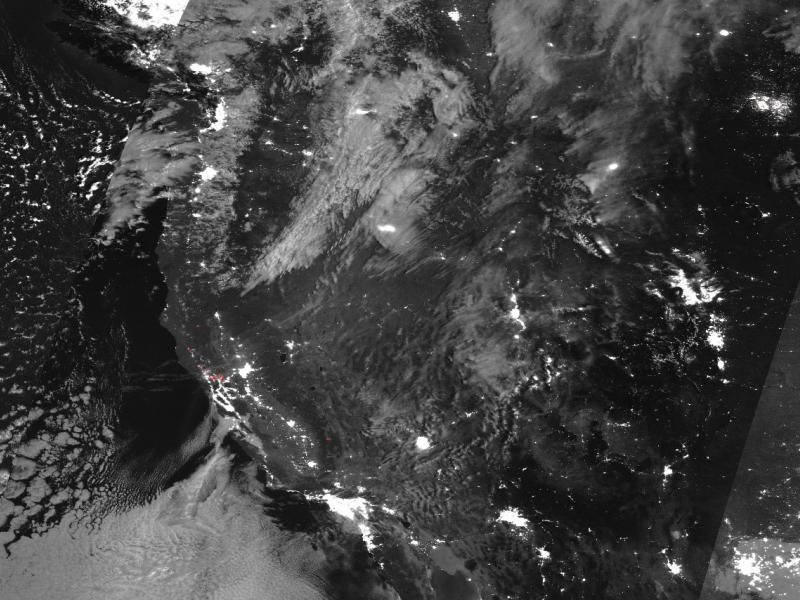
Examining flood occurrences associated with mesoscale convective systems and their characteristics allows researchers to explore climate-flood linkages.
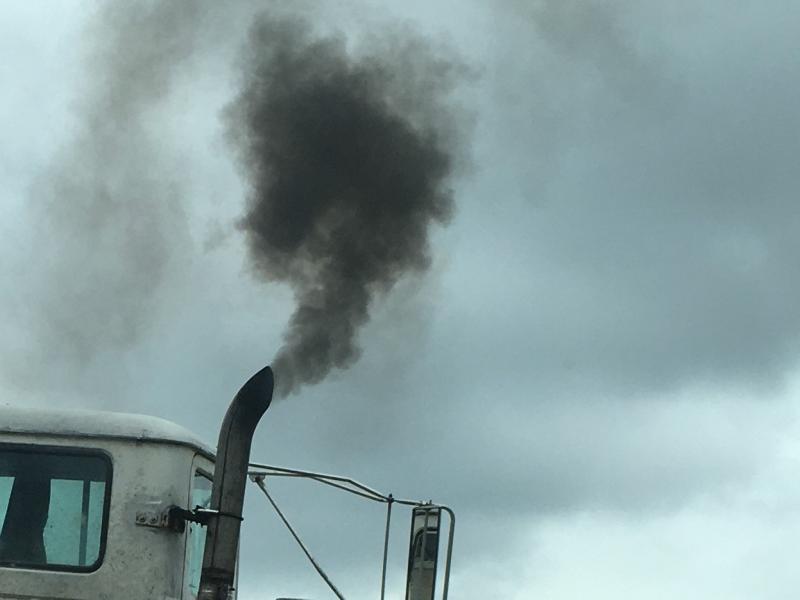
The most polluted U.S. communities from five years ago are still the most polluted today, 50 years after passage of the Clean Air Act amendments of 1970.
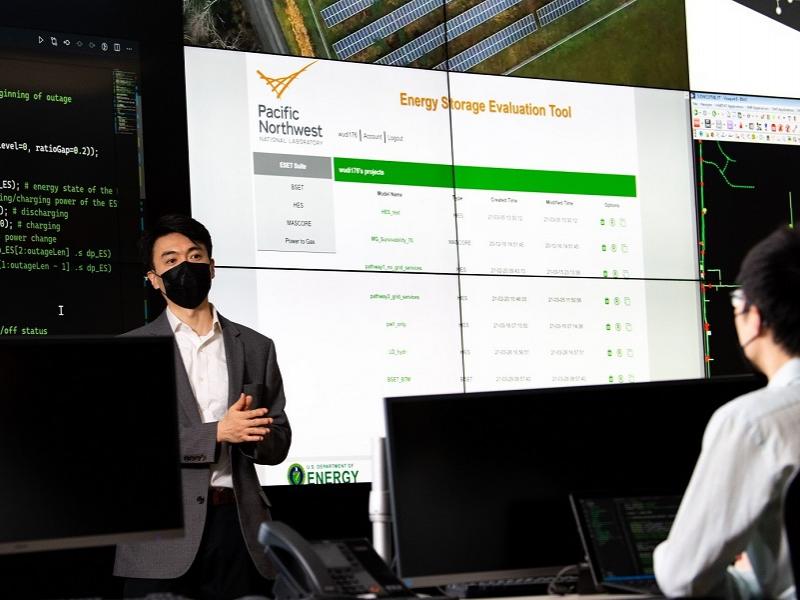
PNNL’s new Hydrogen Energy Storage Evaluation Tool allows users to examine multiple energy delivery pathways and grid applications to maximize benefits.
A high-resolution dataset captures a more complete view of the global distribution and characteristics of strong storms called mesoscale convective systems.
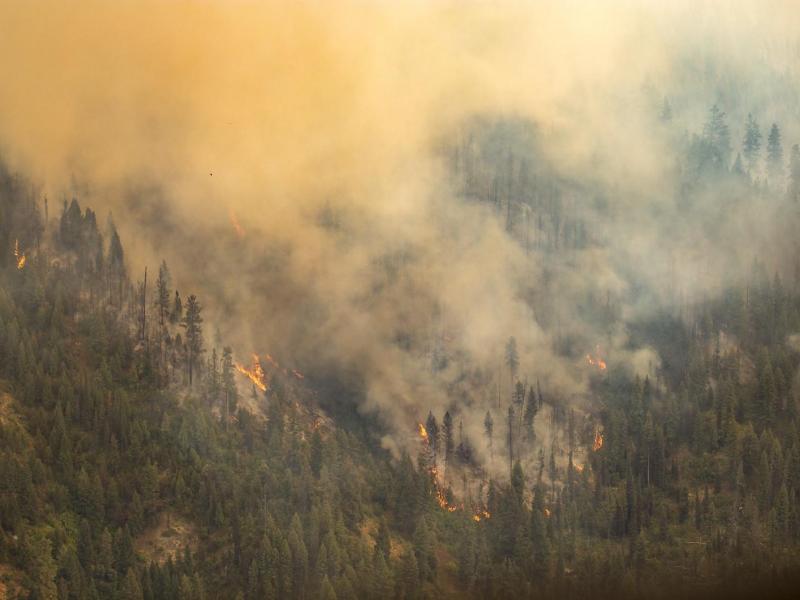
PNNL combines AI and cloud computing with damage assessment tool to predict path of wildfires and quickly evaluate the impact of natural disasters, giving first responders an upper hand.
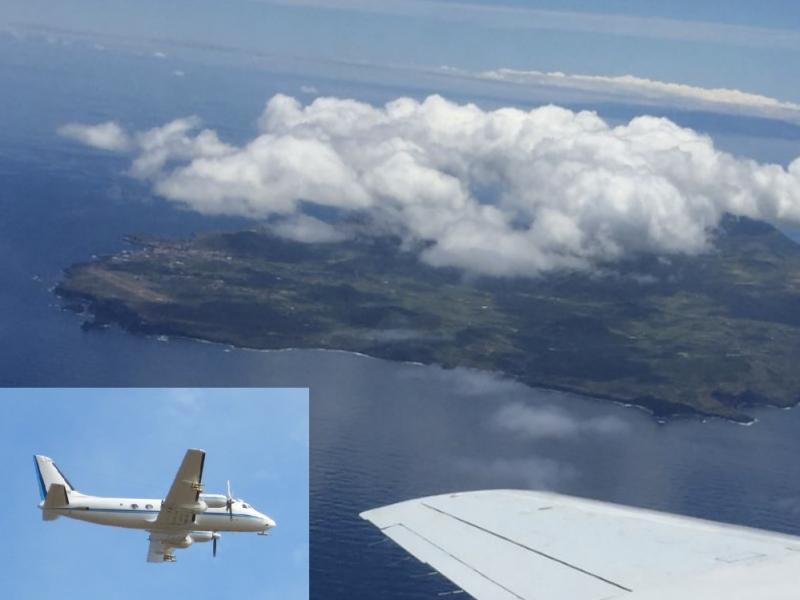
A research project that brings together mathematicians and atmospheric scientists has developed into a deep collaboration for improving atmospheric models.