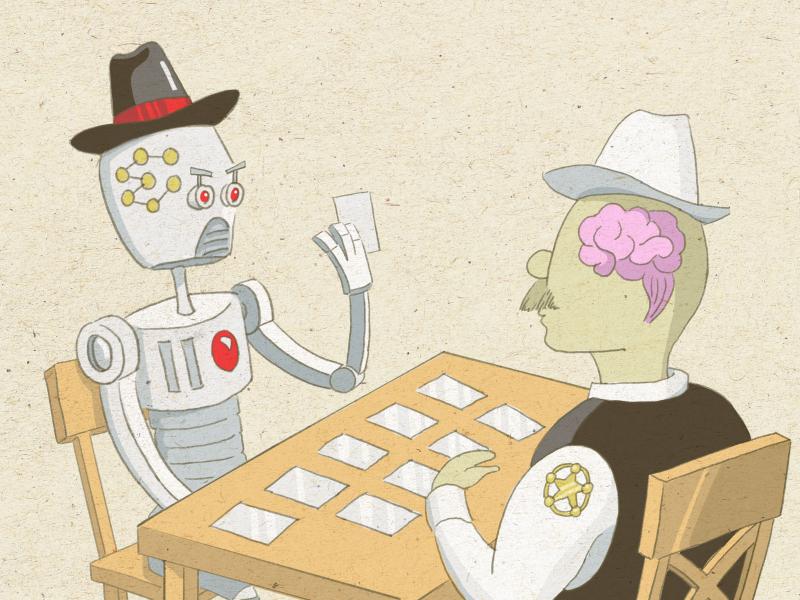
PNNL data scientists Henry Kvinge and Ted Fujimoto presented their research on few-shot learning and reinforcement learning, respectively, at workshops during the 2021 AAAI Conference on Artificial Intelligence.
The partnership to apply artificial intelligence to improve complex systems is part of a U.S. Department of Energy Office of Science $4.2 million, three-year grant.
PNNL scientists joined international leaders in artificial intelligence research to discuss the latest advances, opportunities, and challenges for neural information processing—the foundation for AI.
Red teaming for CPS, the process of challenging systems, involves a group of cybersecurity experts to emulate end-to-end cyberattacks following a set of realistic tactics, techniques, and procedures.
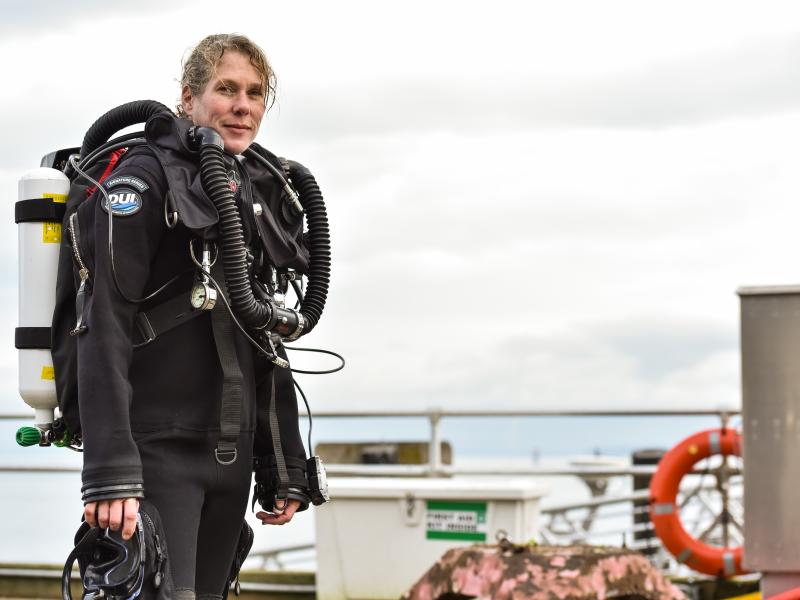
The Marine and Coastal Research Laboratory (MCRL), part of PNNL, in Sequim, Washington, is the U.S. Department of Energy’s only marine research facility. It has a rich history and expanding research scope.
PNNL has published a report that sets the foundation for modeling gaps and technical challenges in optimizing hydropower operations for both energy production and water management.
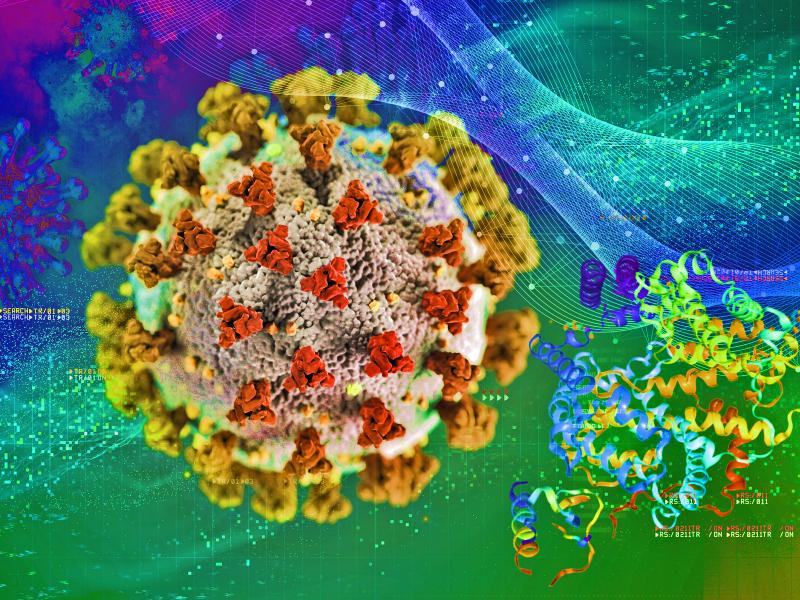
PNNL computational biologists, structural biologists, and analytical chemists are using their expertise to safely accelerate the design step of the COVID-19 drug discovery process.
California and other areas of the U.S. Southwest may see less future winter precipitation than previously projected by climate models, according to new research that corrects for a long-standing model error: the double-ITCZ bias.
A special issue of the Marine Technology Society Journal, titled “Utilizing Offshore Resources for Renewable Energy Development,” focuses on research and development efforts including those at Pacific Northwest National Laboratory (PNNL).
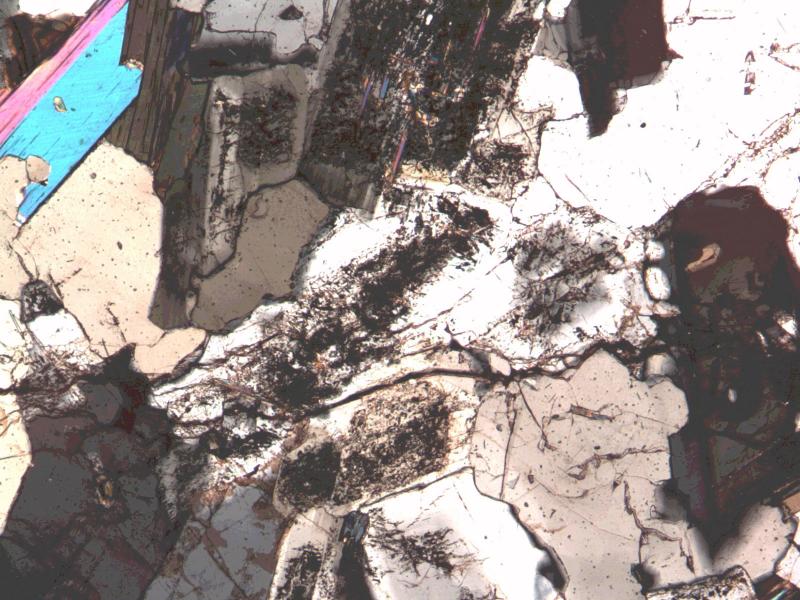
A research team from Pacific Northwest National Laboratory developed an apparatus that evaluates the performance of high-temperature fluids in hydraulic fracturing for enhanced geothermal systems.