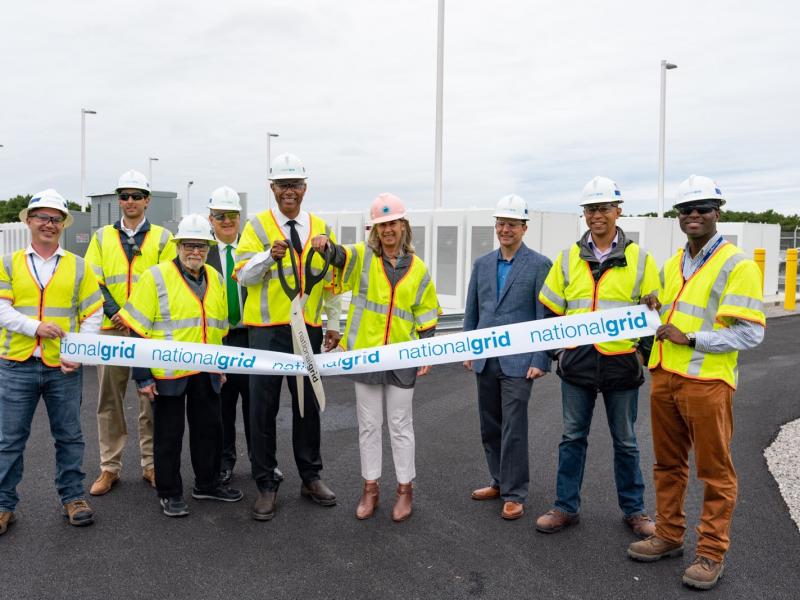
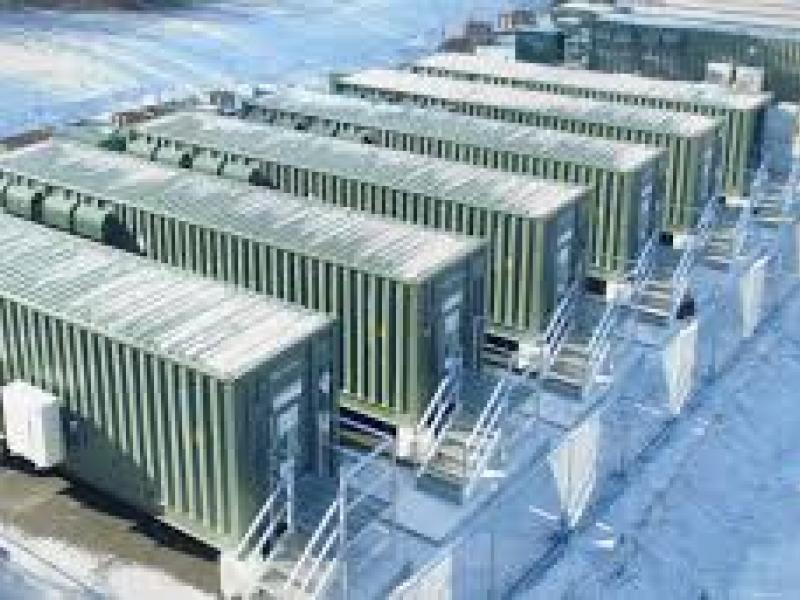
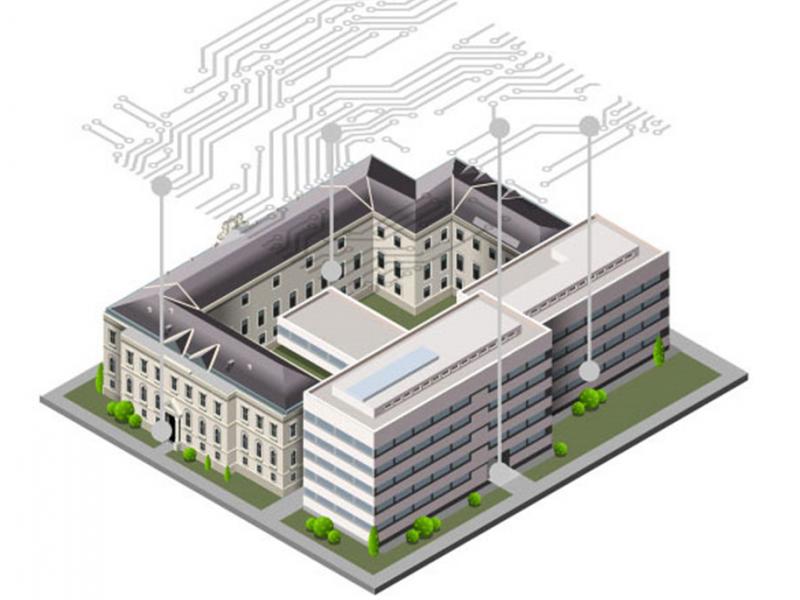
Energy storage is slowly shifting utility planning practices from the current paradigm, which ensures grid reliability by building reserve generation resources, to ensuring grid reliability by optimizing grid services.
When two powerful earthquakes rocked southern California earlier this month, officials’ attention focused, understandably, on safety. How many people were injured? Were buildings up to code? How good are we at predicting earthquakes?
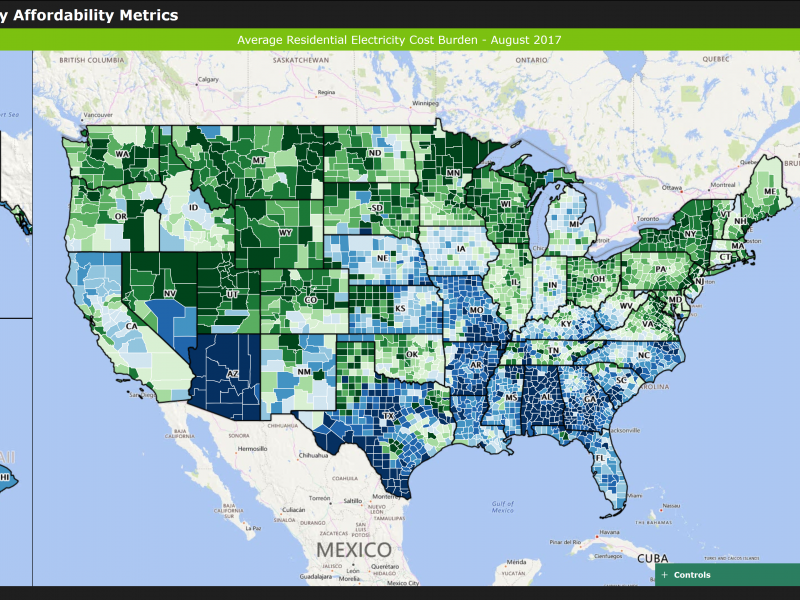
A new PNNL tool makes it easy to see the differences across the country when it comes to the cost and affordability of electricity. Users can sort and compare nearly 100 metrics or variables and get individual county information.
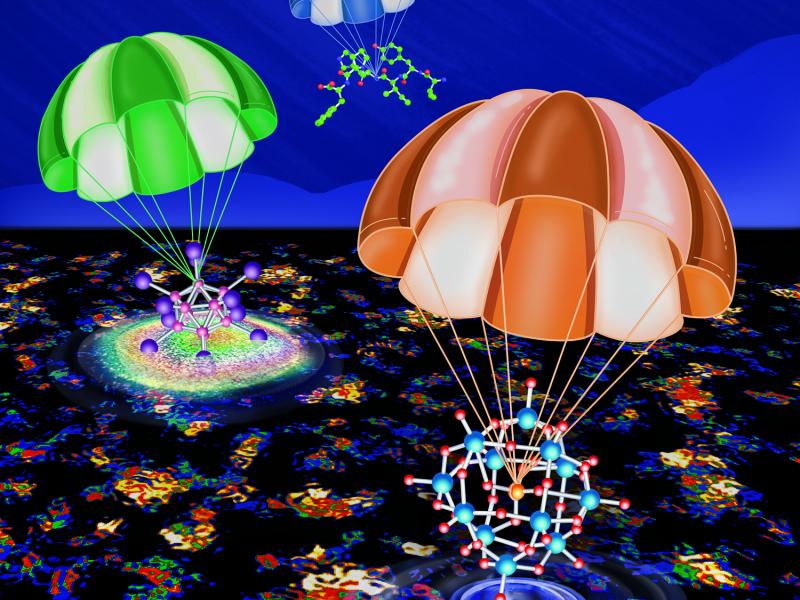
Patricia Huestis, a collaborator in the Interfacial Dynamics in Radioactive Environments and Materials (IDREAM) Energy Frontier Research Center, has been awarded the DOE Office of Science Graduate Student Research (SCGSR) award.
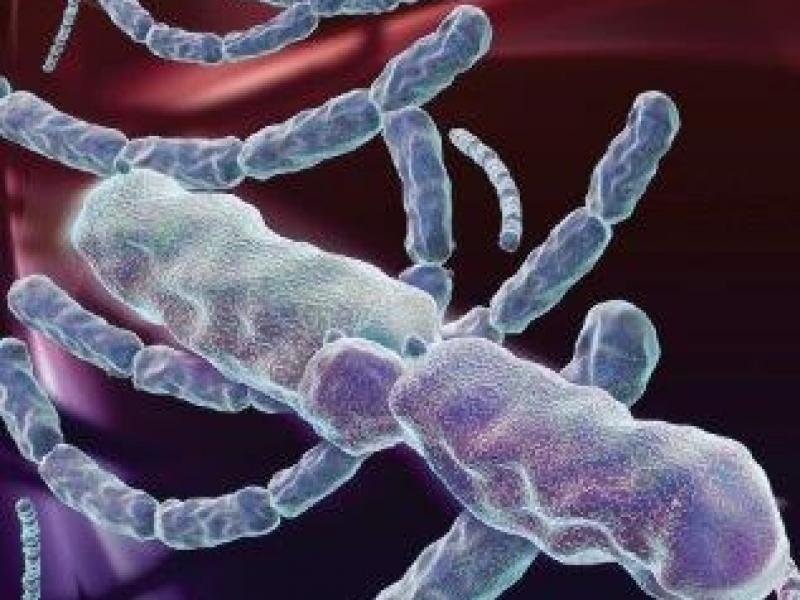
PNNL scientists today unveiled an updated tool designed to help stakeholders assess the nation's preparedness for biological-based dangers, also known as biothreats.
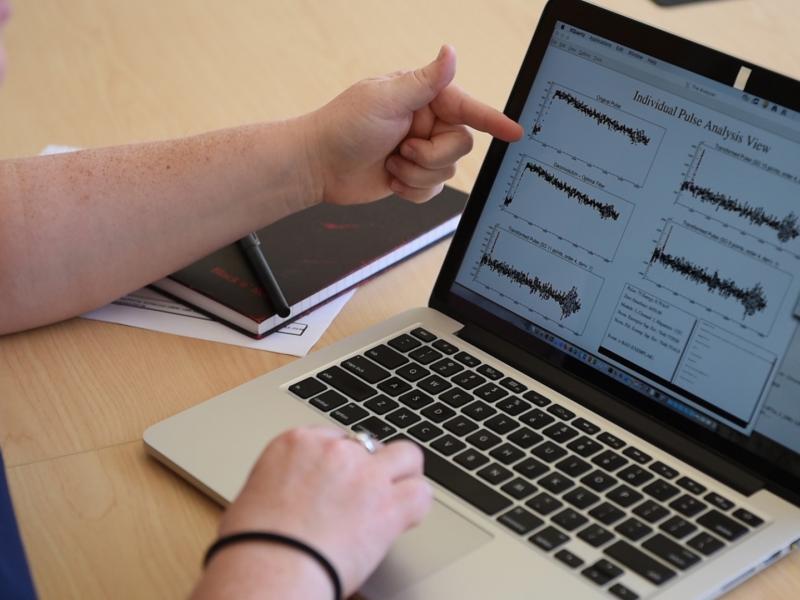
Scientists are exploring the use of deep neural network to interpret highly technical data related to national security, the environment and the cosmos.
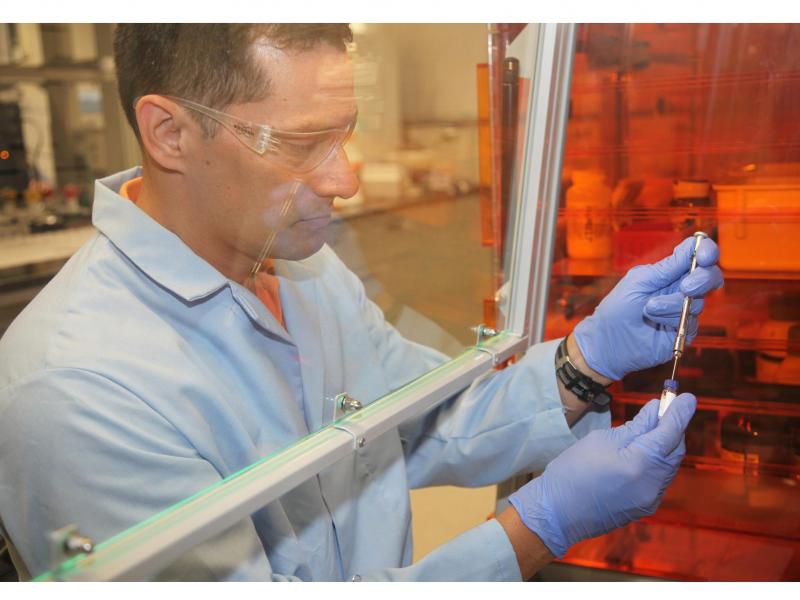
Pointing the finger at chemical criminals: Several scientists from PNNL and other institutions will discuss new methods and approaches at the American Chemical Society's national meeting in San Francisco April 2-6.
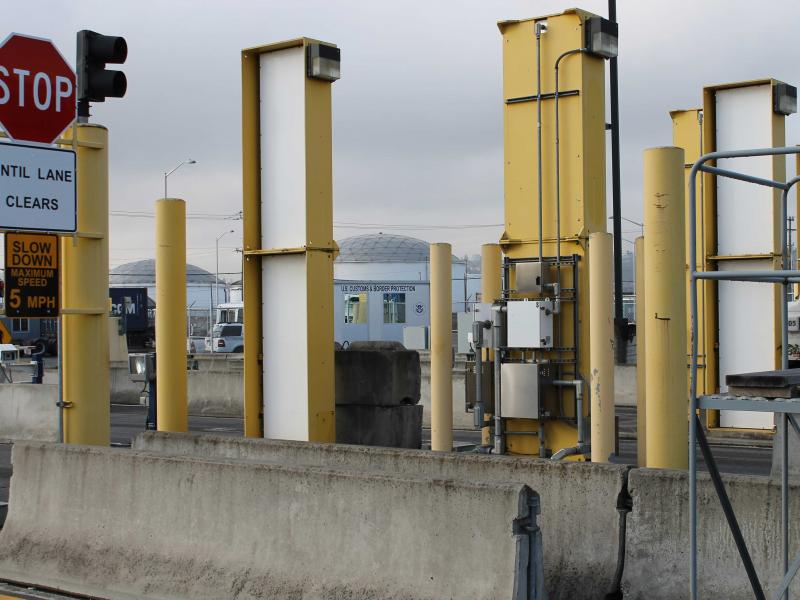
Nuisance alarm rates in radiation detectors at seaports and ports of entry are down significantly due to PNNL data analysis efforts that are saving time and money at the ports.