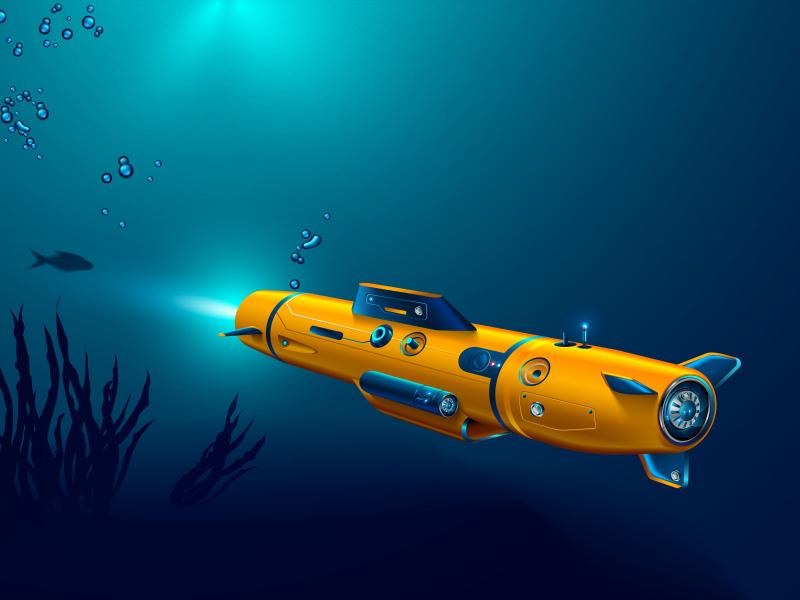
The Ocean Observing Prize is a competitive incentive program to help inventors advance new concepts for marine energy technologies that can power ocean observing systems, particularly those that inform us about hurricane formation.
Their consistency and predictability makes tidal energy attractive, not only as a source of electricity but, potentially, as a mechanism to provide reliability and resilience to regional or local power grids.
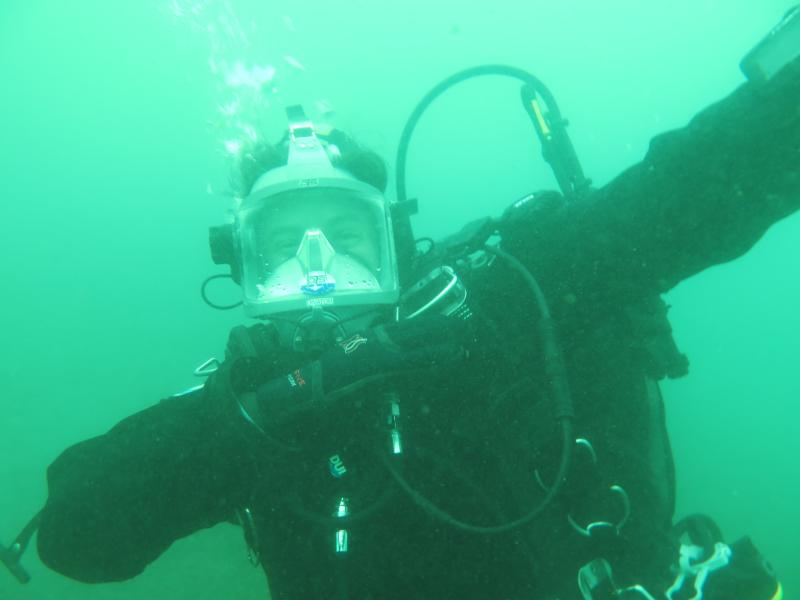
Lenaïg Hemery, a marine energy specialist with Pacific Northwest National Laboratory, has been appointed to the position of topic editor for the Journal of Marine Science and Engineering.
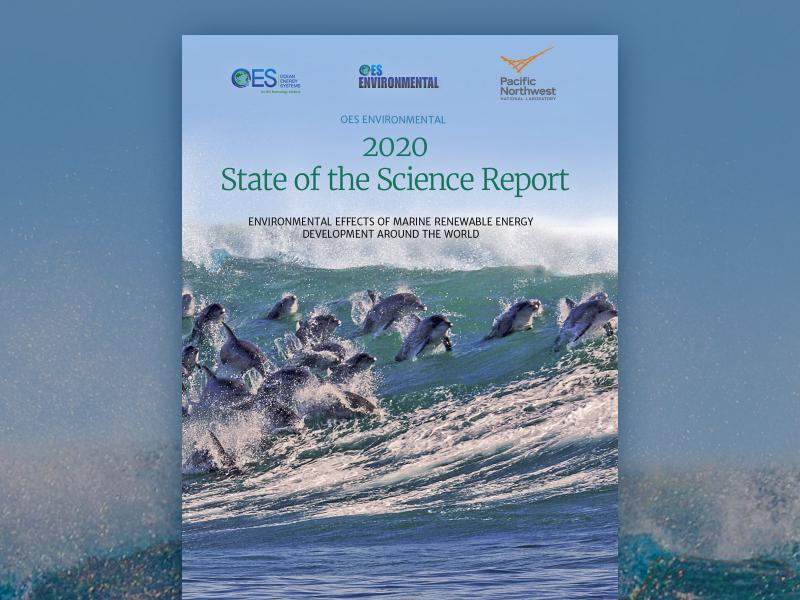
On World Oceans Day, an international team of marine scientists reports that the potential impact of marine renewable energy to marine life is likely small or undetectable, though some uncertainty remains.
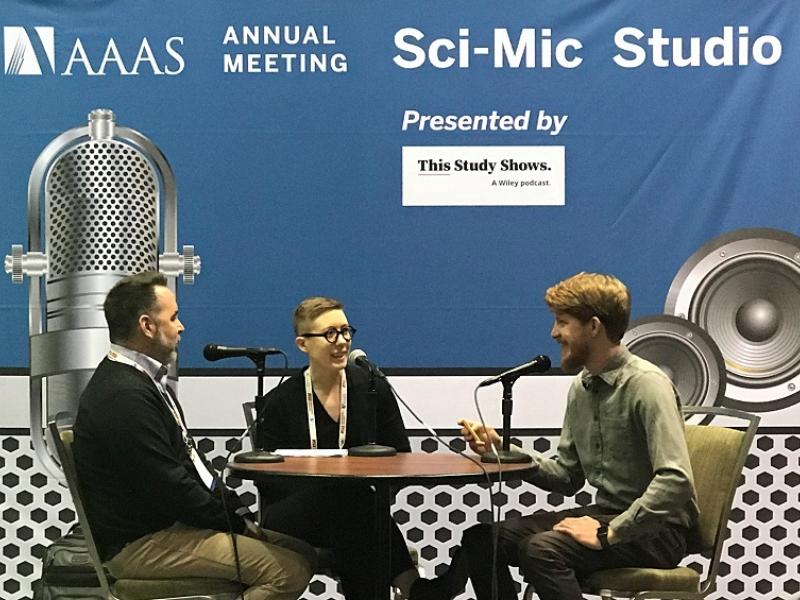
PNNL researchers and professional staff led discussions ranging from biothreats and climate change to science careers at the 2020 annual meeting of the American Association for the Advancement of Science, held this year in Seattle.
The world’s largest scientific society honored Sue B. Clark, a PNNL and WSU chemist, for contributions toward resolving our legacy of radioactive waste, advancing nuclear safeguards, and developing landmark nuclear research capabilities.
When two powerful earthquakes rocked southern California earlier this month, officials’ attention focused, understandably, on safety. How many people were injured? Were buildings up to code? How good are we at predicting earthquakes?
Patricia Huestis, a collaborator in the Interfacial Dynamics in Radioactive Environments and Materials (IDREAM) Energy Frontier Research Center, has been awarded the DOE Office of Science Graduate Student Research (SCGSR) award.
PNNL scientists today unveiled an updated tool designed to help stakeholders assess the nation's preparedness for biological-based dangers, also known as biothreats.
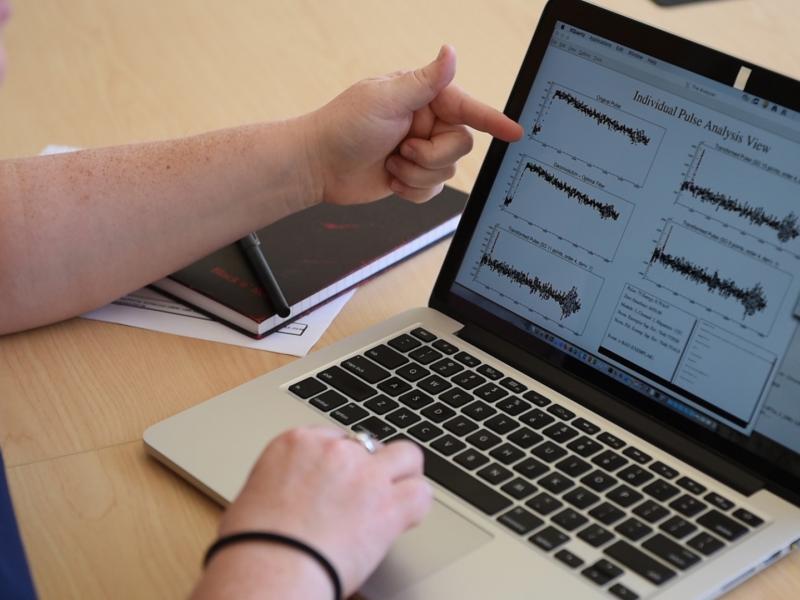
Scientists are exploring the use of deep neural network to interpret highly technical data related to national security, the environment and the cosmos.
Pointing the finger at chemical criminals: Several scientists from PNNL and other institutions will discuss new methods and approaches at the American Chemical Society's national meeting in San Francisco April 2-6.
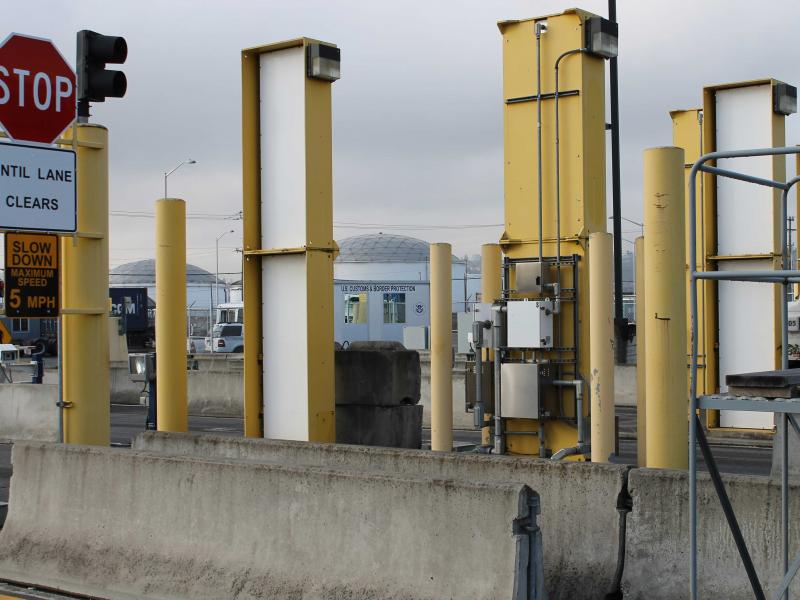
Nuisance alarm rates in radiation detectors at seaports and ports of entry are down significantly due to PNNL data analysis efforts that are saving time and money at the ports.