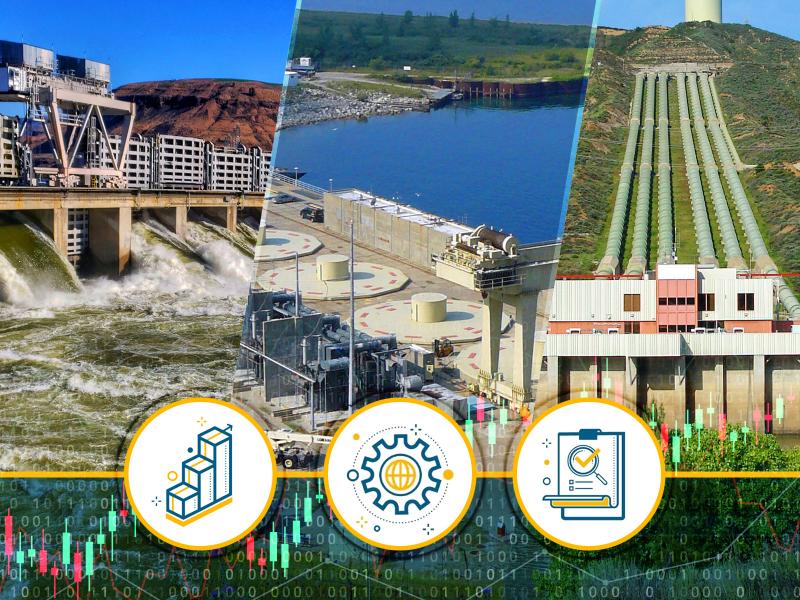
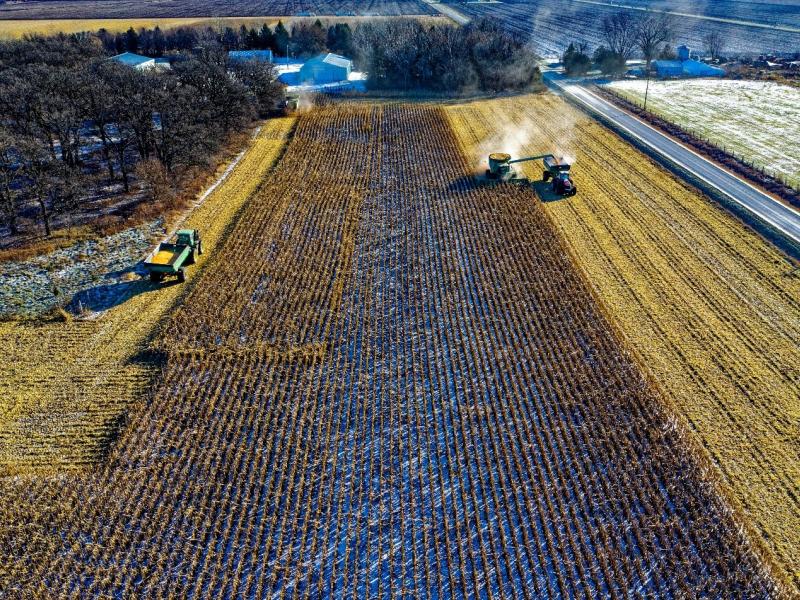
PNNL and four other national laboratories executed the Hydropower Value Study to examine hydropower operations in different regions of the United States.
Samantha Eaves discusses the future of marine energy and her role with Triton from the Department of Energy Water Power Technologies Office perspective.
Researchers developed a strategy for quantifying the numerical errors in global simulations of atmospheric clouds and attributing them to components in the computational model.
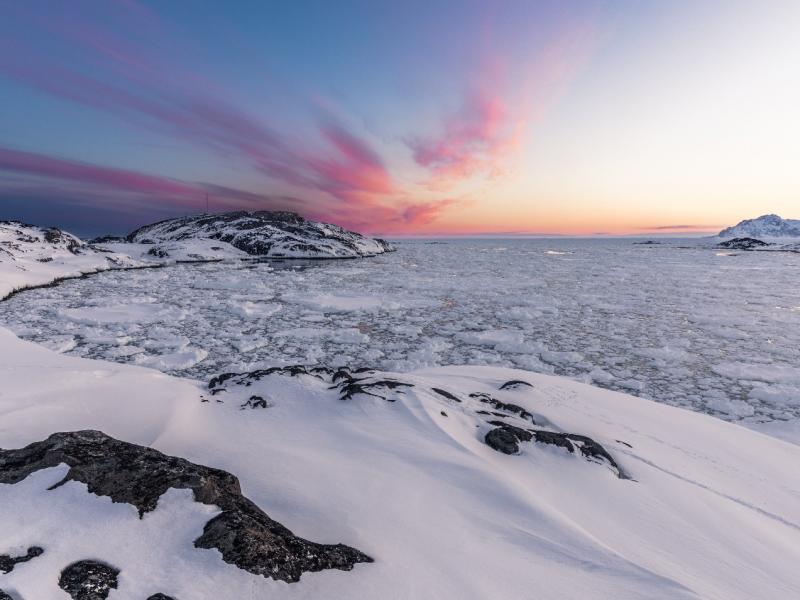
A new decomposition method allows scientists to unravel the atmosphere-ice-ocean interactions that drive Arctic sea ice changes under increasing carbon dioxide levels.
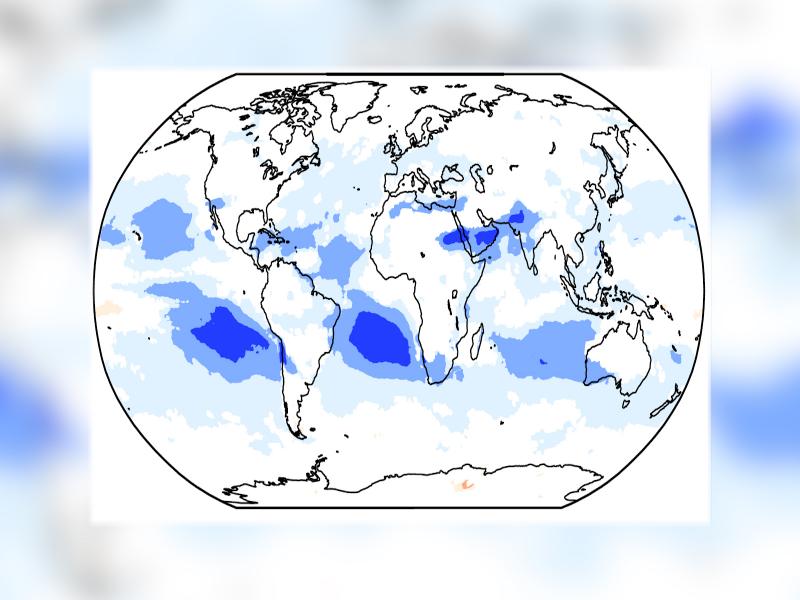
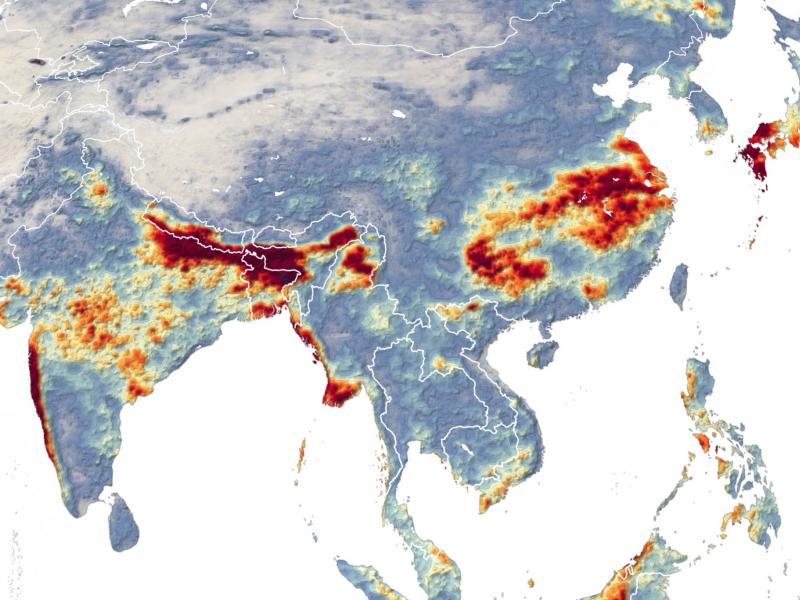
The persistent double-ITCZ bias in Earth system models influences projections of future precipitation in regions that are already under severe water stress.
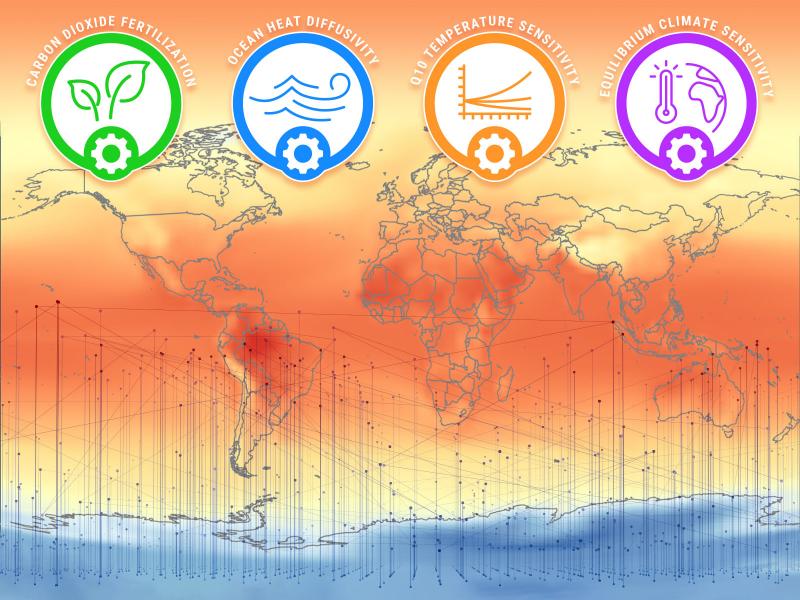
Study says planners need to account for climate impacts on renewable energy during capacity development planning to fully understand investment implications to the power sector.
High school students from across Washington State competed in the Pacific Northwest Regional Science Bowl, hosted online by PNNL, for a chance to advance to the national competition in May.
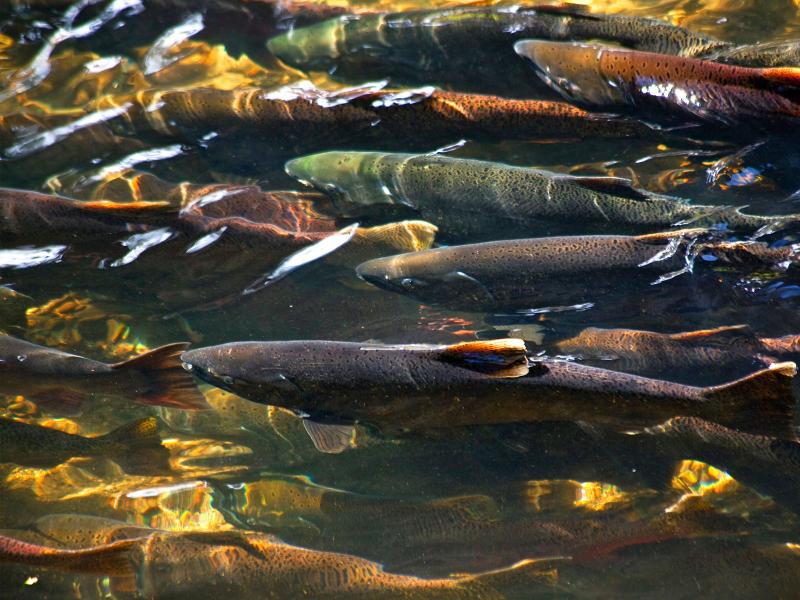
This is a story of how Nikki Sather's career journey studying the pulse of the Pacific Northwest's ecosystems began with a salmon's heartbeat. Sather currently works as an earth scientist at PNNL's Marine and Coastal Research Laboratory.
Seven teams win the U.S. Department of Energy's DESIGN Contest for wave-powered systems to monitor hurricanes—part of the Ocean Observing Prize. PNNL administers the prize with National Renewable Energy Laboratory.
A newly proposed selective interference mechanism explains the periodic behavior in the leading oscillation mode in the Southern Hemisphere storm activity.