PNNL gathered researchers from eight national laboratories plus the U.S. Department of Energy (DOE) to share ideas and build synergy at the Energy Equity and Environmental Justice Summit.
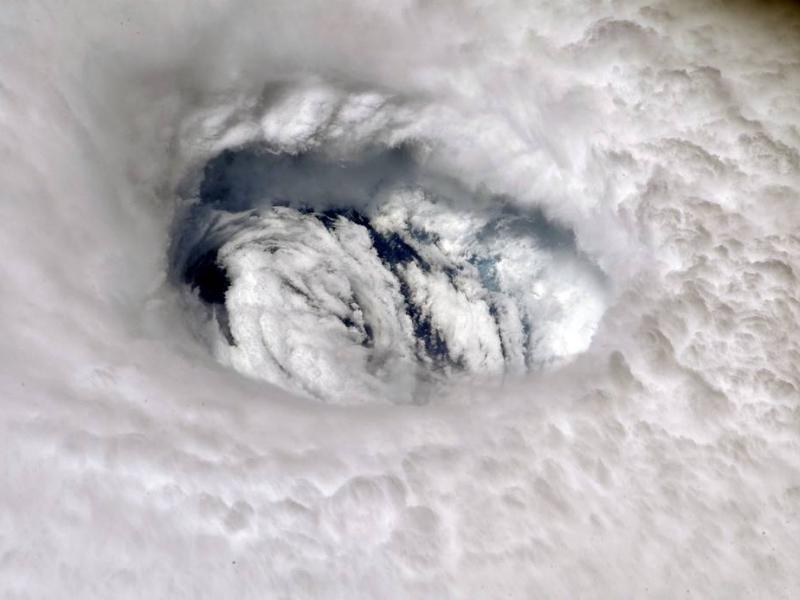
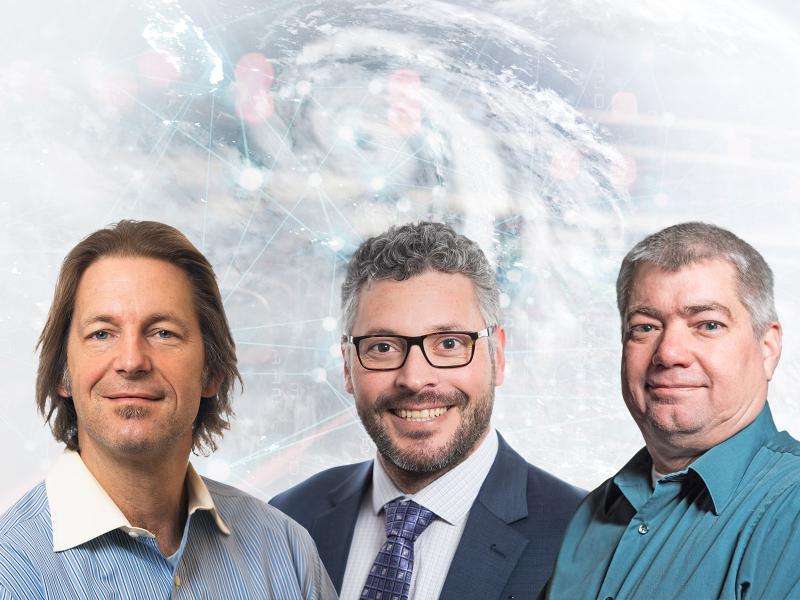
Scientists at PNNL are working to better prepare authorities, emergency responders, communities and the grid in the face of increasingly extreme hurricanes.
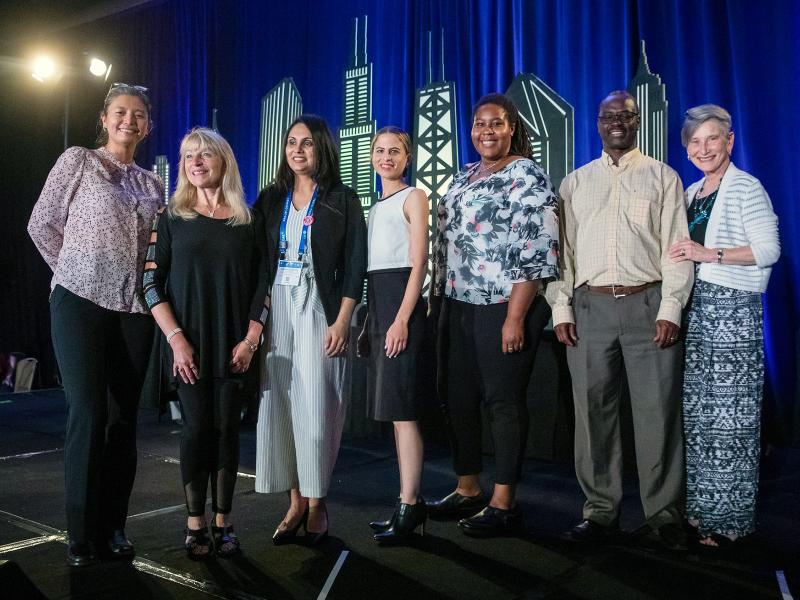
The American Chemical Society Richland Section has been recognized by its national organization with the Best Overall Section Minority Affairs award for 2022.
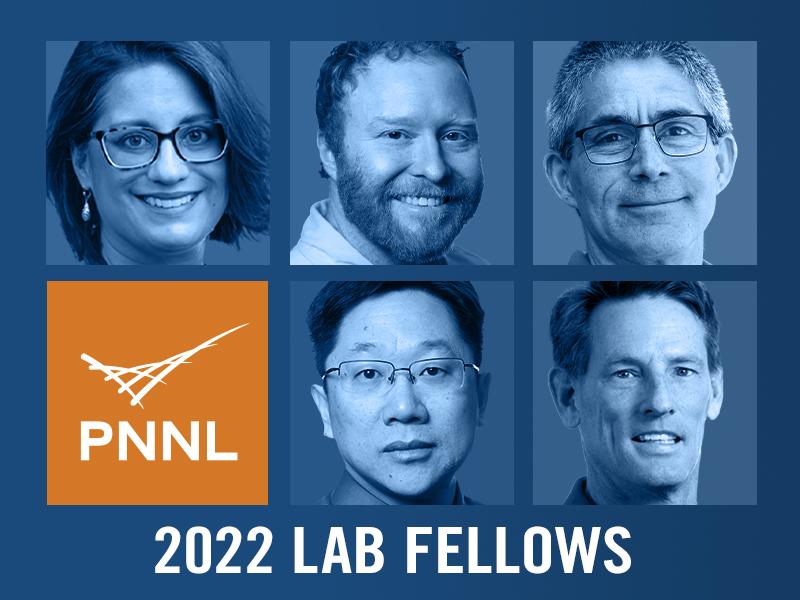
Read interviews with the new Laboratory fellows to learn about their contributions to their field, what drives them, and how their research is making the nation safer, greener, and more resilient.
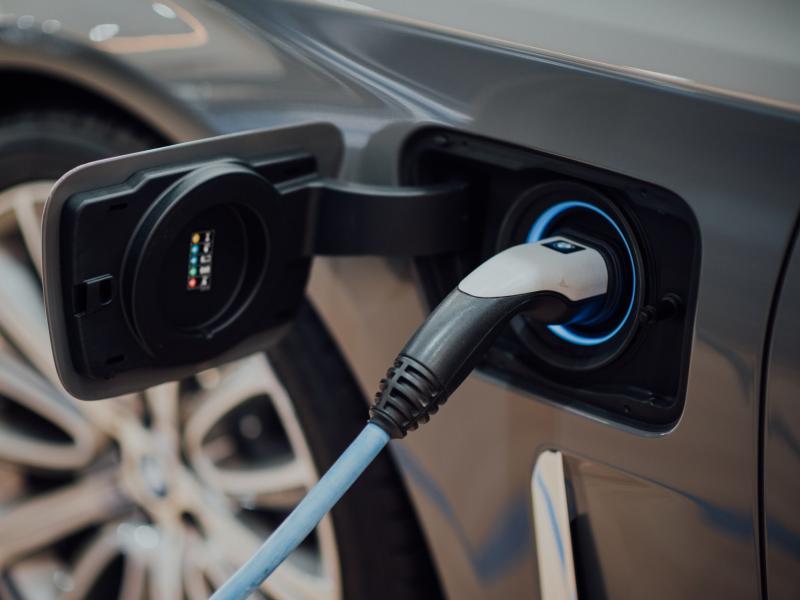
A paper from PNNL and Southern California Edison describing new methodologies for assessing electric vehicle impacts to the grid was selected as a best paper by IEEE.
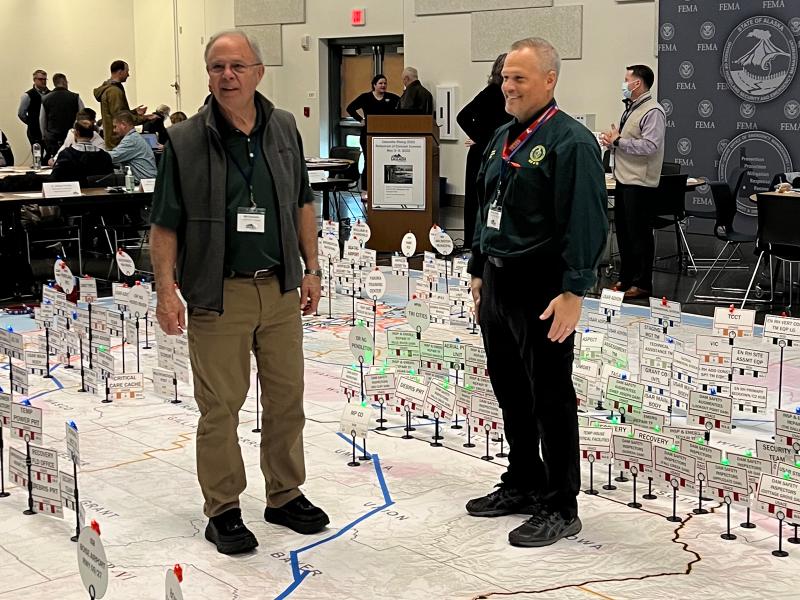
Over three days more than 200 federal, state, and tribal partners gathered to evaluate and walk through the Federal Emergency Management Agency (FEMA) Region 10 Cascadia Subduction Zone Earthquake and Tsunami Response Plan.
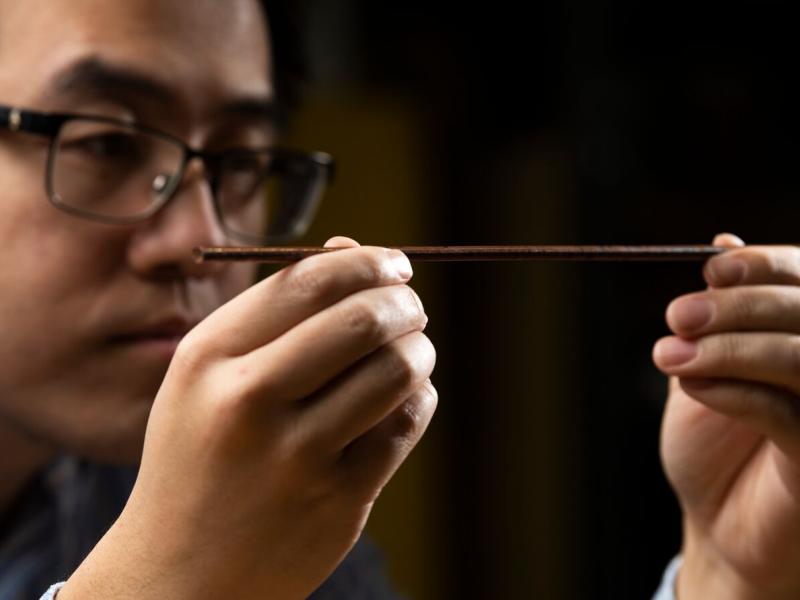
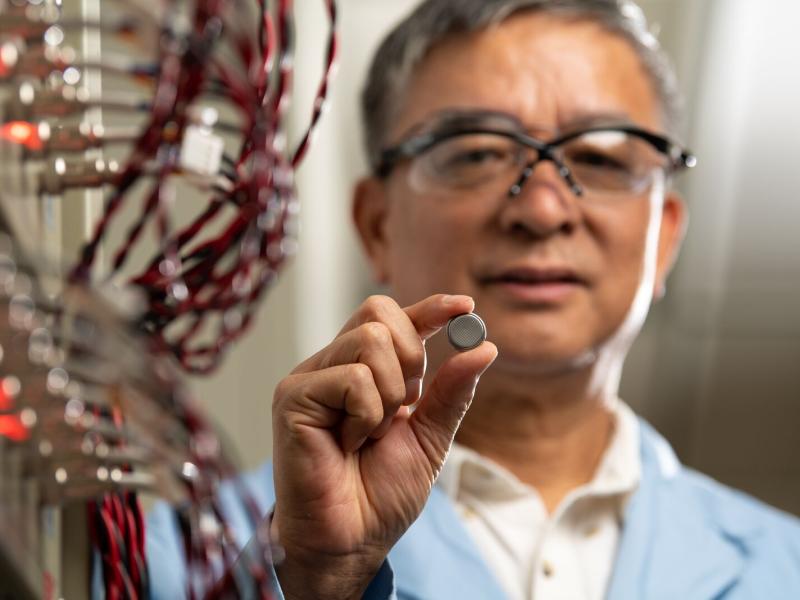
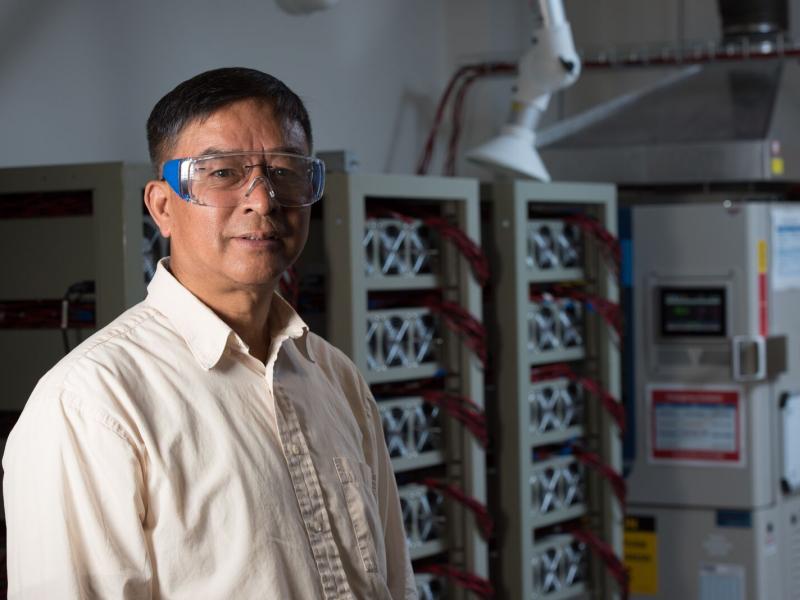
A new longer-lasting sodium-ion battery design is much more durable and reliable in lab tests. After 300 charging cycles, it retained 90 percent of its charging capacity.
Arun Veeramany furthers the field of risk, reliability, and resilience in civil and mechanical engineering in his new role as an American Society of Civil Engineers-American Society of Mechanical Engineers journal editorial board member.
PNNL researchers developed a new model to help power system operators and planners better evaluate how grid-forming, inverter-based resources could affect the system stability.
The Department of Homeland Security Science and Technology Virtual First Responder Capitol Hill Showcase highlighted PNNL work in fentanyl detection standards and database libraries.
PNNL will demonstrate how new technologies, innovative approaches and partnering with others can lead to net-zero emissions and decarbonization of operations.
Top scientists and officials from government, academia, Alaskan Native communities, and industry are heading to Alaska to focus on driving energy technologies for a more sustainable Arctic region.