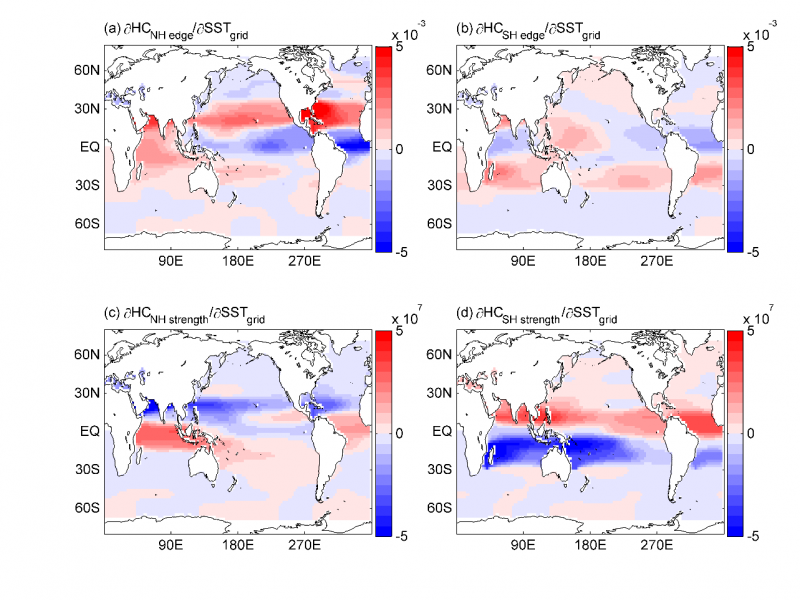
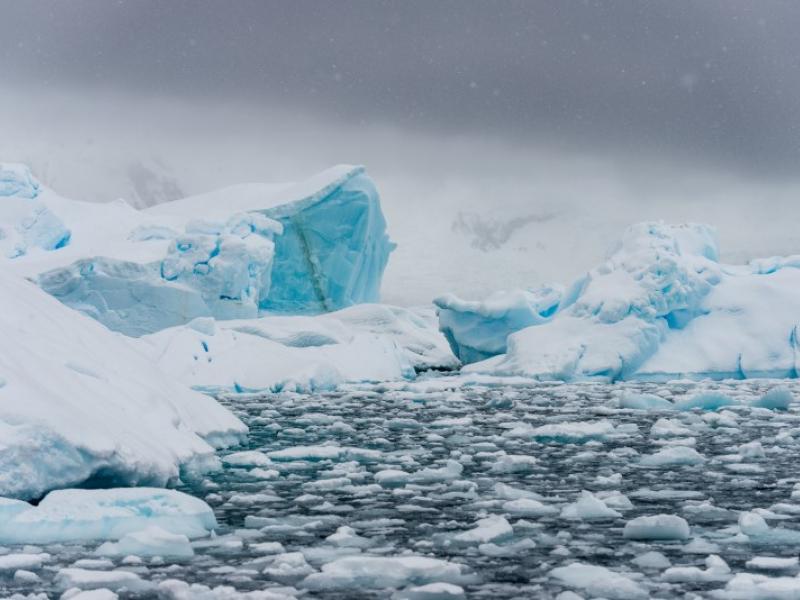
As the planet has warmed during recent history, summer sea ice extent has been decreasing in the Arctic but expanding in the Antarctic at modest but significant rates. This study helps explain why the hemispheres are behaving differently.
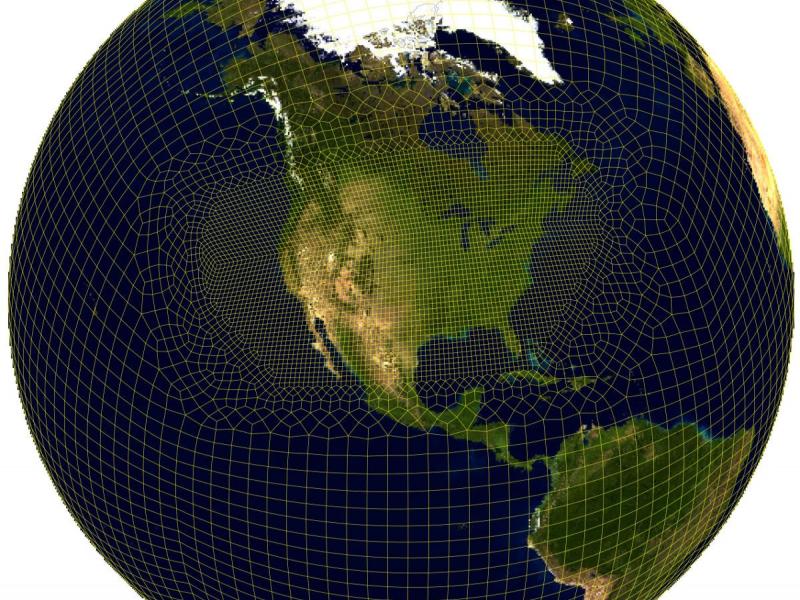
A new version of the E3SM Atmosphere Model (EAM) has been released to the community. This study provides an overview of the model and the science behind it, describing advances made to address E3SM science challenges.
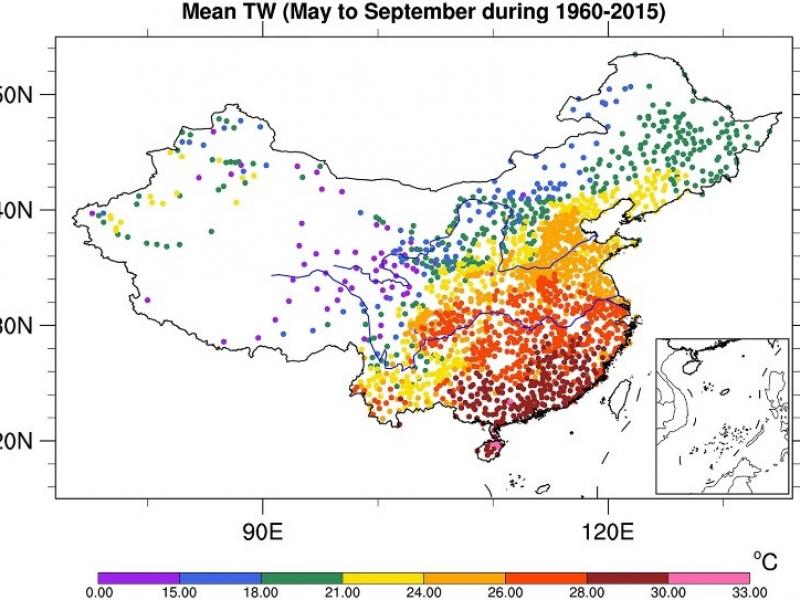
A study led by researchers at PNNL reveals physical mechanisms that link declining Arctic sea ice to increasing winter air stagnation and pollution extremes in China based on Earth system modeling results.
A new PNNL report says the western U.S. power system can handle large-scale vehicle electrification up to 24 million vehicles through 2028, but more than that and cities could start feeling the squeeze.
In this study, researchers probed the ice nucleation ability of different aerosol types by combining 11-year observations from multiple satellites and cloud-resolving model simulations.
New study provides a key reference for Demeter users and is expected to help reduce uncertainties in downstream hydrologic and Earth system simulations.
PNNL's Northwest Regional Technology Center interviews Assistant Chief of Resource Management for Seattle Fire Department Willie Barrington about how his team faced the unknown when the COVID-19 pandemic hit Seattle, Washington.
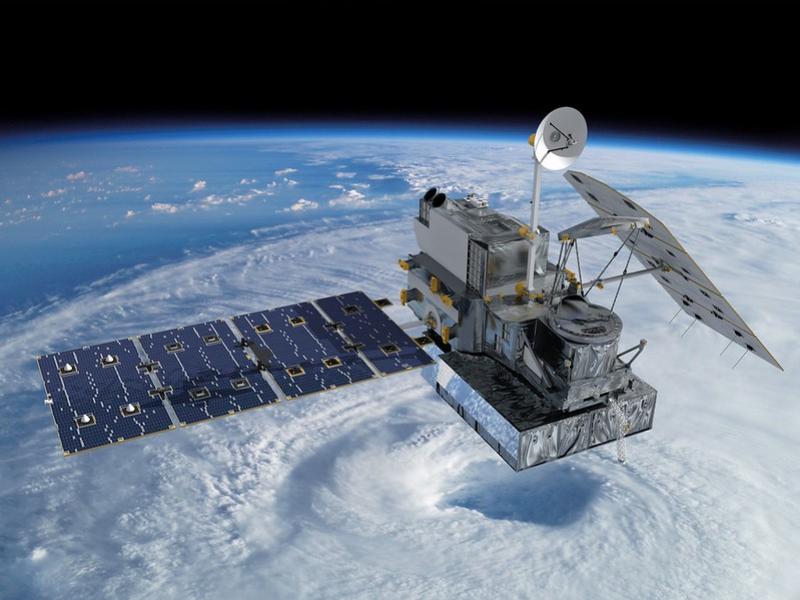
Researchers at PNNL and the University of Washington examined storms seen by the GPM satellite and found that deep convective storms have been occurring surprisingly frequently at high latitudes during the warm seasons of recent years.
Researchers quantified temperature and gas-cycle responses over time of five simple climate models to impulses of carbon dioxide, methane, and black carbon.
PNNL and Oklahoma State University join forces to understand the chemistry of sodium-ion and potassium-ion batteries thanks to an award from the U.S. Department of Energy's Established Program to Stimulate Competitive Research (EPSCoR).
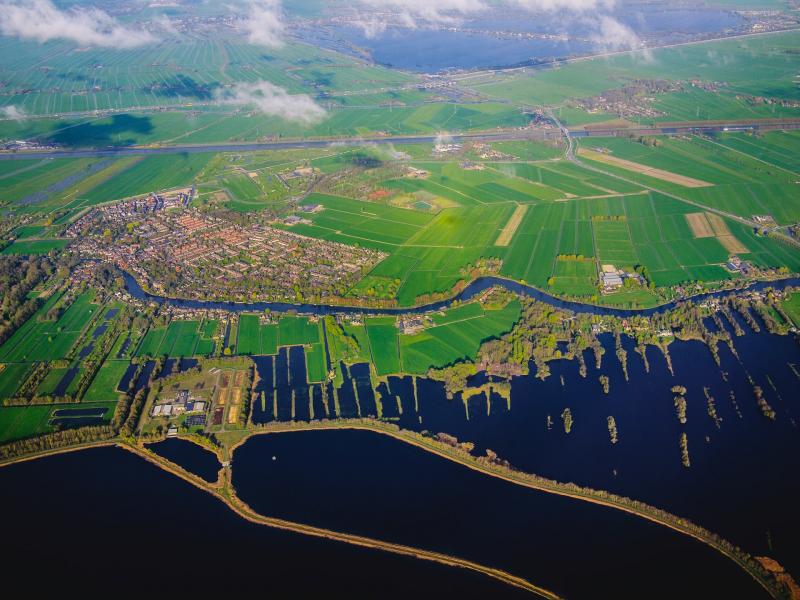
Researchers analyzed the relationship between Earth’s climate sensitivity and historical/future sea level projections, with a particular focus on the high‐impact upper tail.
Their consistency and predictability makes tidal energy attractive, not only as a source of electricity but, potentially, as a mechanism to provide reliability and resilience to regional or local power grids.
A team of researchers discovered more about how sea ice in the Southern Ocean might regulate changes in the amount and location of Antarctic precipitation.
PNNL and WSU researchers have improved the performance and life cycle of sodium-ion battery technology to narrow the gap with some lithium-ion batteries.
PNNL’s Patrick Balducci delivered an information-packed tutorial on grid energy storage valuation at the Naval Postgraduate School in Monterey, California.
Ten staff members from PNNL were invited to attend and lead the various breakout sessions at the Department of Energy Office of Science 5G Enabled Energy Innovation Workshop (5GEEIW), which was held in early March.