Research identifies the mechanisms through which peptoids affect ions in solution and a mineral surface, increasing the rate of carbonate crystal growth.
Three PNNL-supported projects are at the forefront of developing advanced data analytics technologies to enhance the U.S. power grid’s reliability, resilience, and affordability.
The National Transmission Planning Study presents several transmission expansion scenarios that would reliably support the growing demand for energy across the nation.
The Grid Storage Launchpad dedication event was attended by leaders in grid and transportation energy storage, battery innovation, and industry stakeholders working to transform America’s energy system.
PNNL will engage with transmission planners and other regional partners through technical assistance and listening sessions with the goal of exploring opportunities to integrate equity into transmission planning.
Researchers are planning for an electric grid that deploys machine learning to think ahead, plan for the worst, anticipate demand, and meet consumer needs safely and securely.
Erich Hsieh, Deputy Assistant Secretary for OE’s Energy Storage Division, shared insights about the Grid Storage Launchpad and energy storage innovations .
Climate change is bringing more extreme summer weather, from heat waves to hurricanes, that can disrupt the flow of electricity. Here’s how PNNL scientists are working on solutions to protect the nation’s electric grid.
Frederick Day-Lewis, Lab Fellow and chief geophysicist at PNNL, was named the 2024 recipient of the Geological Society of America Public Service Award.
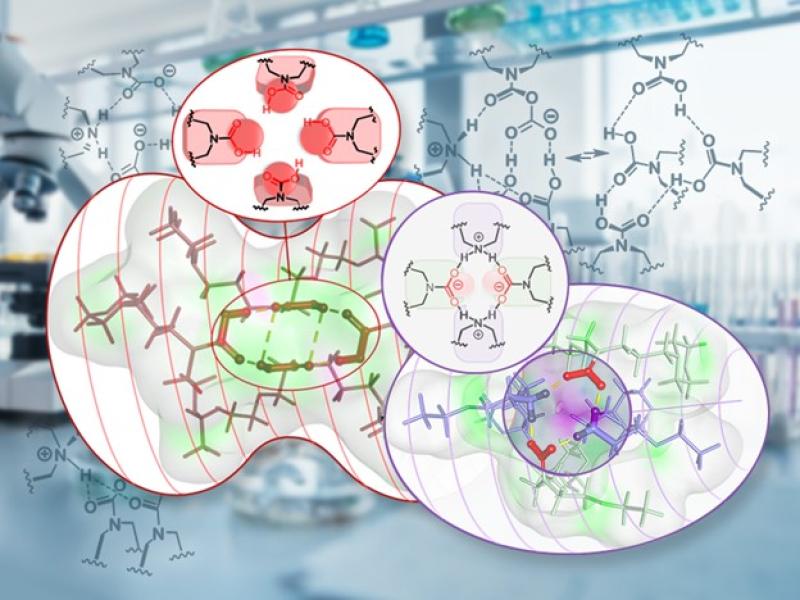
New research investigating water-lean solvents for carbon dioxide capture identifies the unique chemistry possible with their use, may lead to new design principles that move beyond single carbon capture.
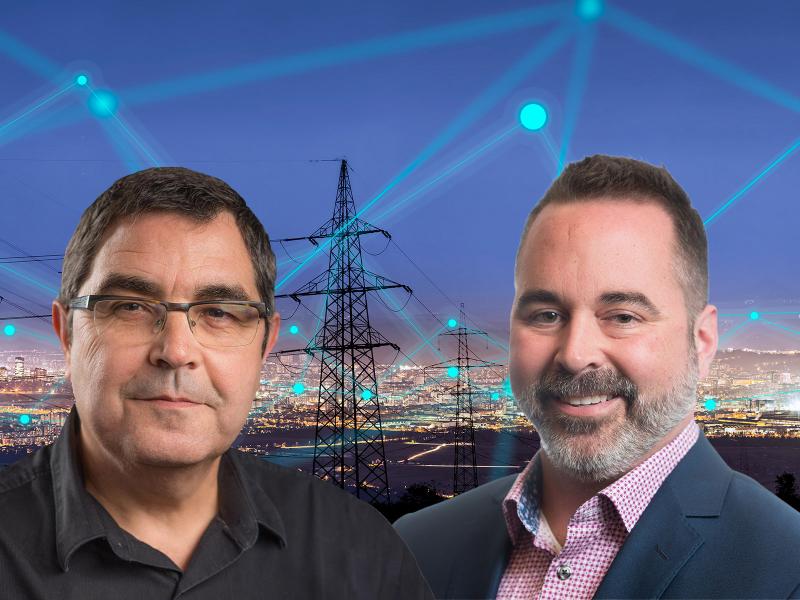
PNNL computing experts Robert Rallo and Court Corley contribute their knowledge to a recent DOE report on applications of AI to energy, materials, and the power grid.