PNNL is highlighting scientific and technical experts in the national security domain who were recently promoted to scientist and engineer Level 5, one of PNNL’s most senior research roles.
PNNL has received 119 R&D 100 Awards since 1969, when the laboratory began submitting entries in the contest that recognizes top 100 inventions each year.
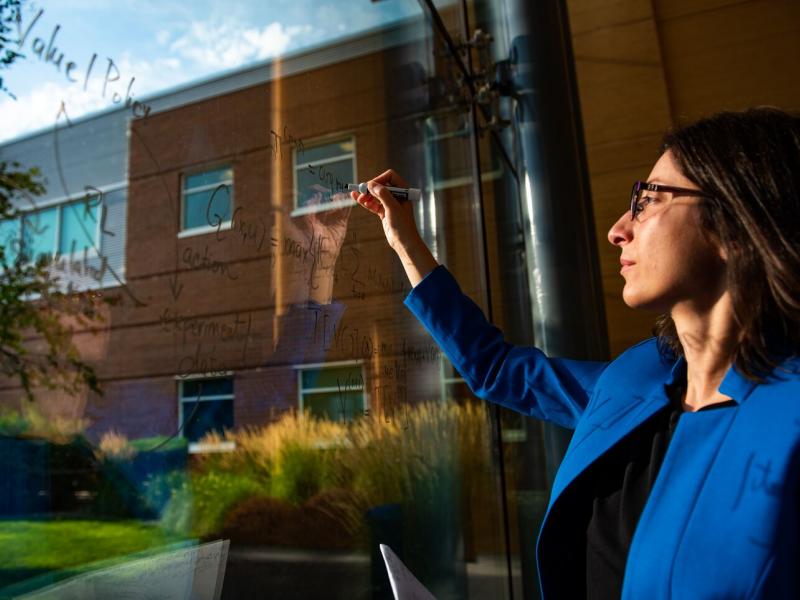
PNNL data scientist was invited to give the first big-picture talk about autonomous control systems at the Autonomous Discovery in Science and Engineering Workshop.
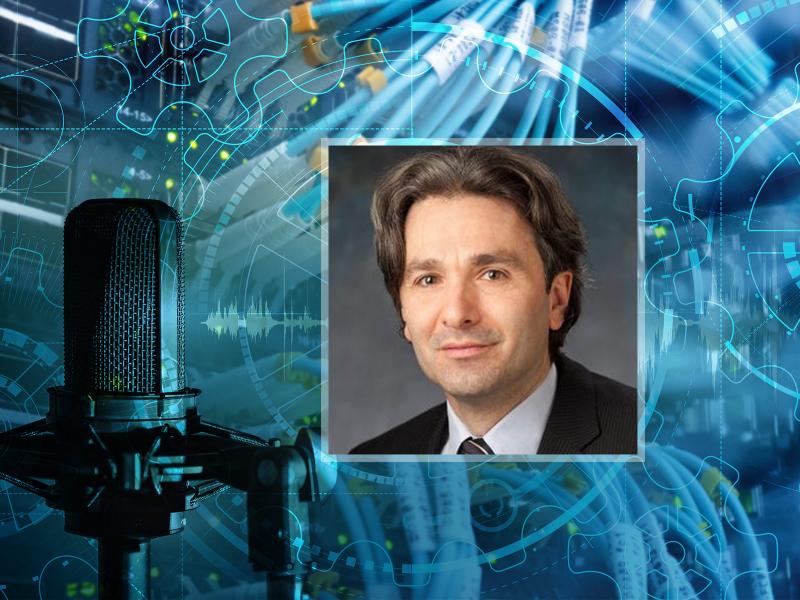
Slaven Peles, PNNL computational scientist and leader of a national high-performance computing project for power grid analysis, spoke about the project with the host of the Let’s Talk Exascale podcast.
A team of PNNL researchers are looking at how to evaluate robustness and accountability, fairness, and transparency of artificial intelligence models used to detect and quantify deceptive content online.
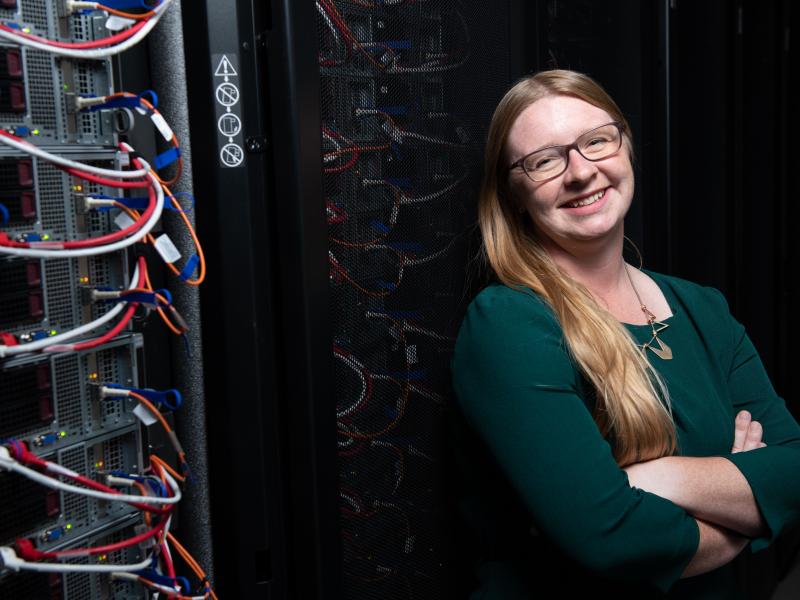
A Q&A with Lauren Charles, veterinarian and PNNL data scientist, on zoonotic diseases and the role biosurveillance plays in mitigating the growing threat to global health.
More than 30 PNNL interns contributed to the Airport Risk Assessment Model, a web-based tool that helps airport security stakeholders prioritize resource allocations.
PNNL’s data-infused approach to electron microscopes’ use in scientific experimentation will help researchers and industry interpret large data streams and drive down costs.
The Washington State Academy of Sciences consists of more than 300 elected members who are nationally recognized for their scientific and technical expertise.
Three recent doctoral graduates are beginning their research careers at Pacific Northwest National Laboratory after completing the WSU-PNNL Distinguished Graduate Research Program this spring.
PNNL’s new Hydrogen Energy Storage Evaluation Tool allows users to examine multiple energy delivery pathways and grid applications to maximize benefits.