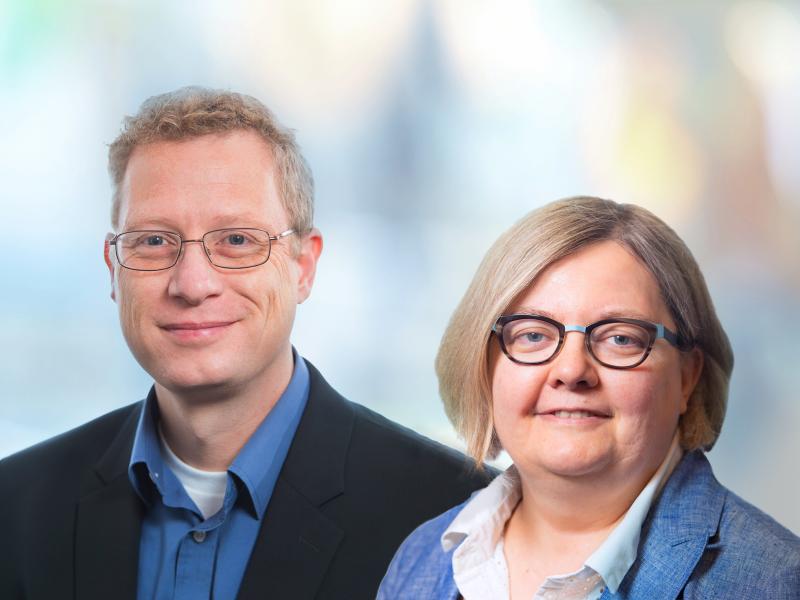
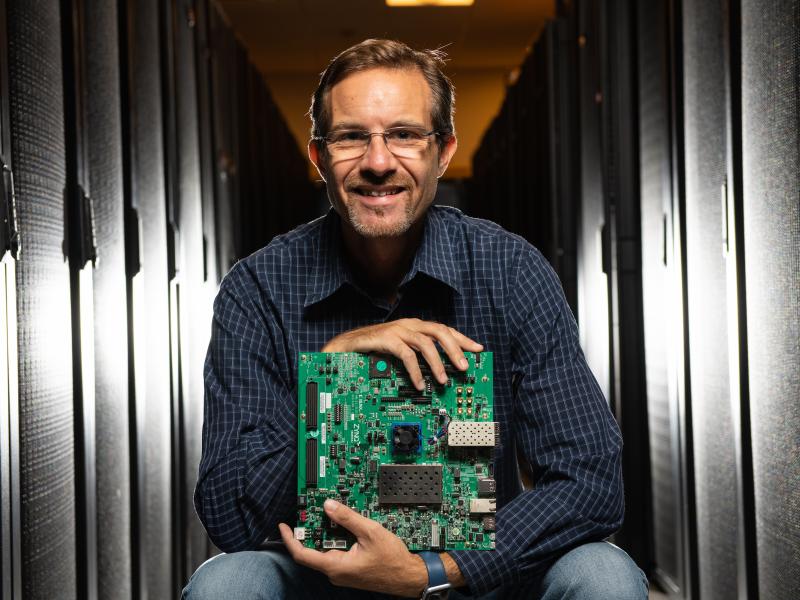
Sonja Glavaski and Kevin Schneider, both electrical engineers at PNNL, have been named as IEEE fellows. IEEE is the world's largest technical professional organization dedicated to advancing technology for the benefit of humanity.
PNNL will lead three new grid modernization projects funded by the Department of Energy. The projects focus on scalability and usability, networked microgrids, and machine learning for a more resilient, flexible and secure power grid.
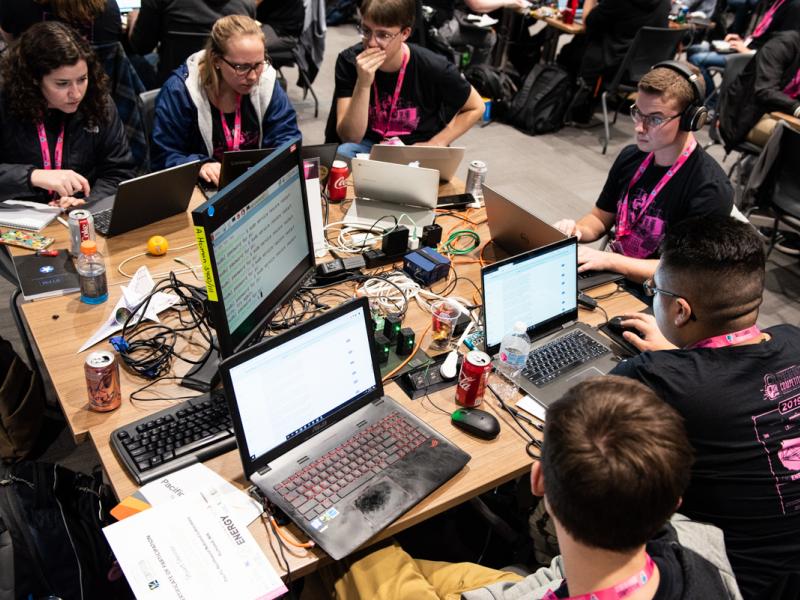
Seventeen teams from regional colleges and universities gathered at PNNL Nov. 16 to put their cyber skills to the test by protecting critical energy infrastructure against simulated cyberattacks as part of DOE's CyberForce Competition.
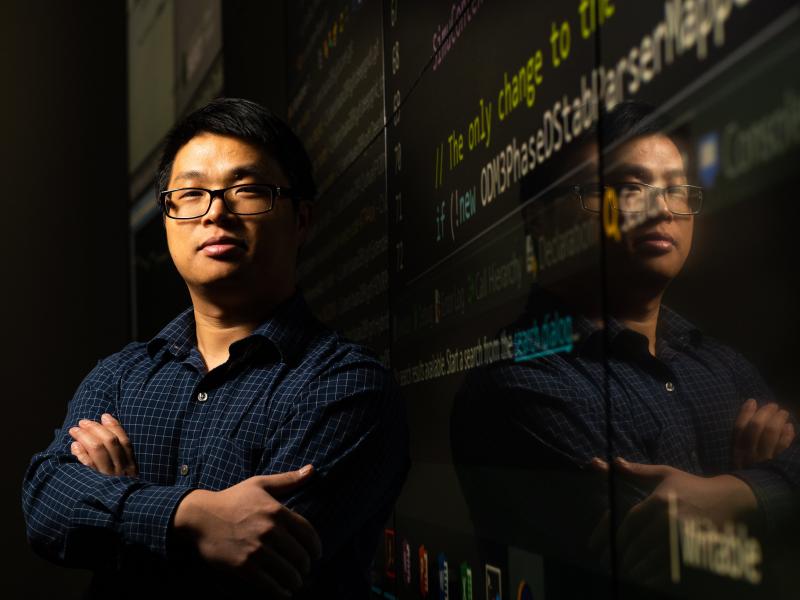
PNNL engineer Qiuhua Huang was recently honored for his research that explored connecting solar, wind and other small-energy producers to the electric grid
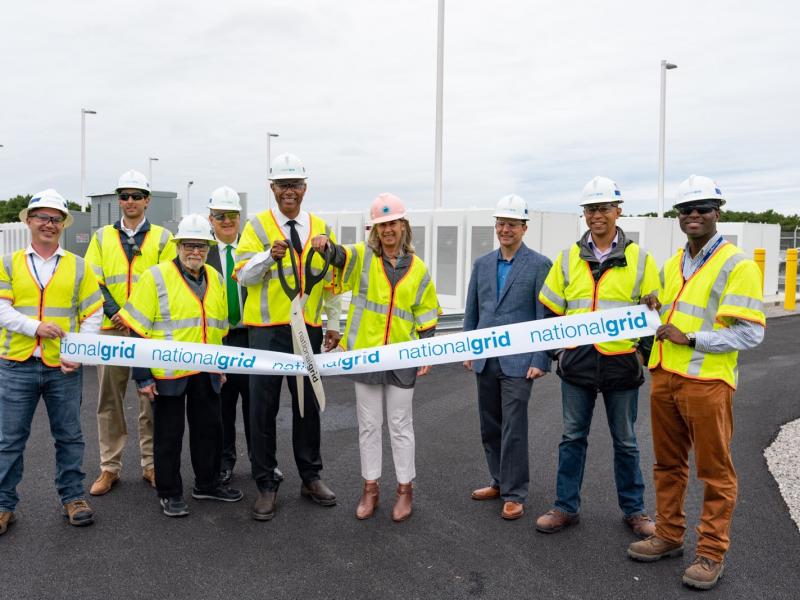
With support from DOE’s Office of Electricity and National Grid, PNNL led a groundbreaking study to accurately assess the full value of grid energy storage investments across a wide variety of use cases.
Energy storage is slowly shifting utility planning practices from the current paradigm, which ensures grid reliability by building reserve generation resources, to ensuring grid reliability by optimizing grid services.
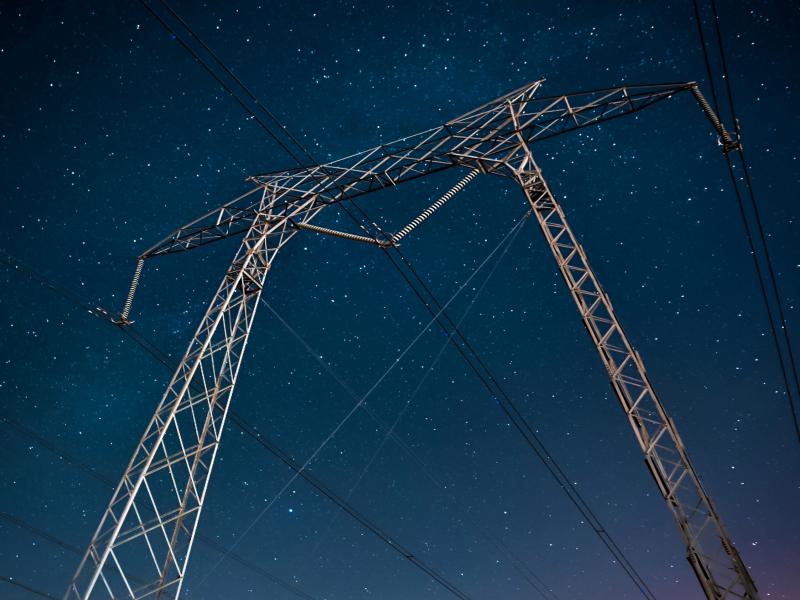
Trouble on the electric grid might start with something relatively small: a downed power line, or a lightning strike at a substation. What happens next?
The first phase, which started in 2014, generated foundational data from developing mouse and human lungs, created a web portal for public data sharing, and established a repository of human lung tissues.
When two powerful earthquakes rocked southern California earlier this month, officials’ attention focused, understandably, on safety. How many people were injured? Were buildings up to code? How good are we at predicting earthquakes?
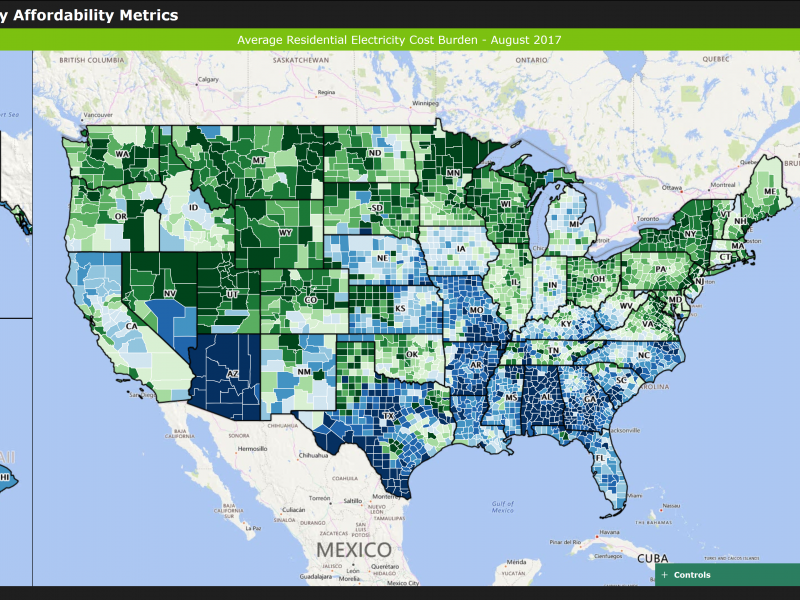
A new PNNL tool makes it easy to see the differences across the country when it comes to the cost and affordability of electricity. Users can sort and compare nearly 100 metrics or variables and get individual county information.
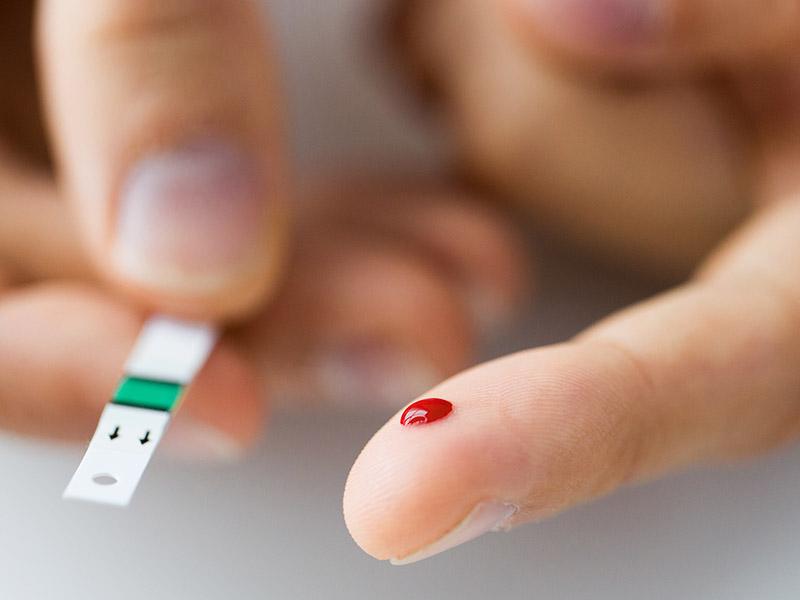
PNNL scientist Wei-Jun Qian and colleagues have contributed to a study that offers clues for delaying or even preventing the autoimmune attack that’s at the core of type-1 diabetes.